





 Weather
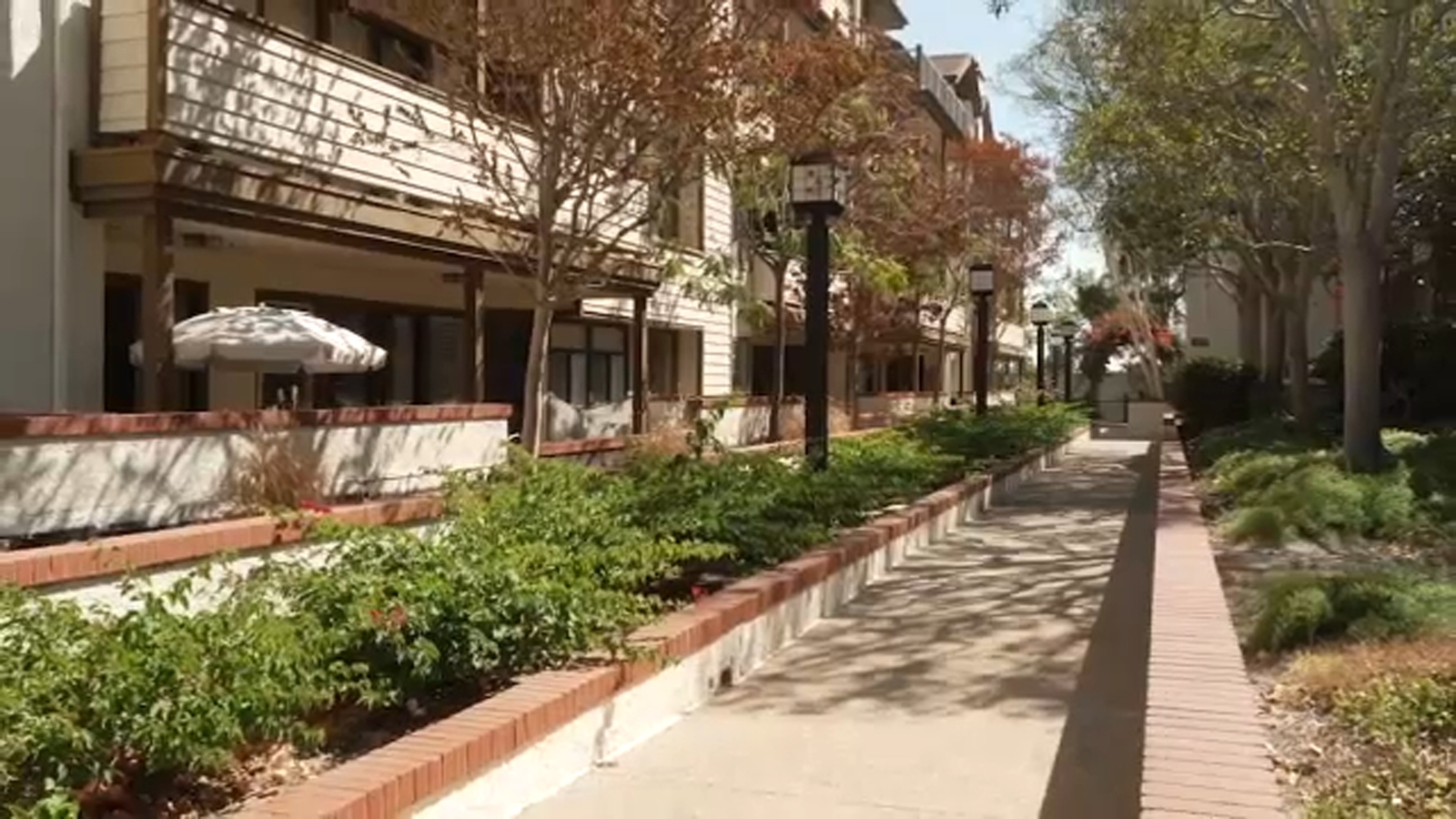
TORRANCE, Calif. () — A Torrance condominium owner says he was shocked to learn he would be charged more than $49,000 as part of a special assessment approved by his homeowners’ association, a fee being levied on all owners in the 499-unit complex.
Stephen Wang said the assessment stems from a series of major repair projects at the property.
“I was shocked, as most of the residents here are,” Wang said.
According to Wang, every owner in the complex received the same assessment to help cover the cost of repairs and upgrades.
He said the work includes rebuilding the complex’s podium, re-piping the property and repairing elevators.
“The HOA decided to redo the whole podium, the entire podium, and that became a $13 million project, and plus the re-piping and the elevators, so it came up to $19 million,” Wang said.
The Torrance assessment follows concerns raised by homeowners in a San Clemente community who were dealing with a $25,000-per-unit special assessment. 7 On Your Side Investigates received an overwhelming response from viewers who said they were facing similar issues with their homeowners associations after our San Clemente report last week.
SEE ALSO: San Clemente condo owners stunned by sudden $26,000 HOA fee for emergency roof assessment
What would you do if your HOA suddenly sprang a $26,000 fee on you? That’s what a group of condo owners is trying to fight back against in San Clemente.
Attorney and HOA expert Michael Kushner, managing partner at MBK Chapman, said he is seeing a significant increase in special assessments, largely because of rising insurance costs and California’s new balcony inspection law. In some cases, however, he said HOAs overstep their authority.
Top Stories
“It is a very lopsided relationship, just by virtue of the fact that the HOA has got everybody’s money to play with, and the HOA has authority to issue discipline,” Kushner said.
Kushner said disputes can become contentious because California does not have a regulatory agency that oversees homeowners associations.
He noted that the Davis-Stirling Act establishes rules for HOAs and provides protections for homeowners, but said some provisions should be clarified and expanded.
“There’s no such thing as a perfect statute. And so HOAs will routinely take advantage of non-bright lines of a vague language, or lines that aren’t too bright, to do what they want to do anyway,” Kushner said.
Kushner said the issue is particularly evident with special and emergency assessments, which can result in substantial fees and disputes over laws requiring approval from HOA members.
Homeowners who believe their association is not following the law may ultimately have to take the matter to court, he said.
“When it’s a homeowner trying to protect their rights, yeah, the only way they’re gonna be able to force an HOA to follow the law is to sue them,” Kushner said.
The homeowners in the Torrance complex have taken that step, filing a lawsuit and working to recall the HOA board.
Kushner said HOA members should read the annual financial disclosures that associations are required to provide and pay particular attention to the percentage-funded figure. If it is below 55%, homeowners should raise concerns.
He also recommended that homeowners put all communications in writing, attend HOA meetings and remain involved in association decisions.
Bottom line — being involved is your best financial protection.
© 2026 Television,