



 Weather
Good morning. It’s Mared Gwyn, bringing you today’s newsletter from Brussels.
ADVERTISEMENT

ADVERTISEMENT
My colleague Vincenzo Genovese is on the ground in Strasbourg, where Angela Merkel will be among 20 prominent European figures bestowed with an Order of Merit later this morning – despite the conflicting interpretations of her legacy, as Vincenzo and Stefan Grobe break down in this must-read.
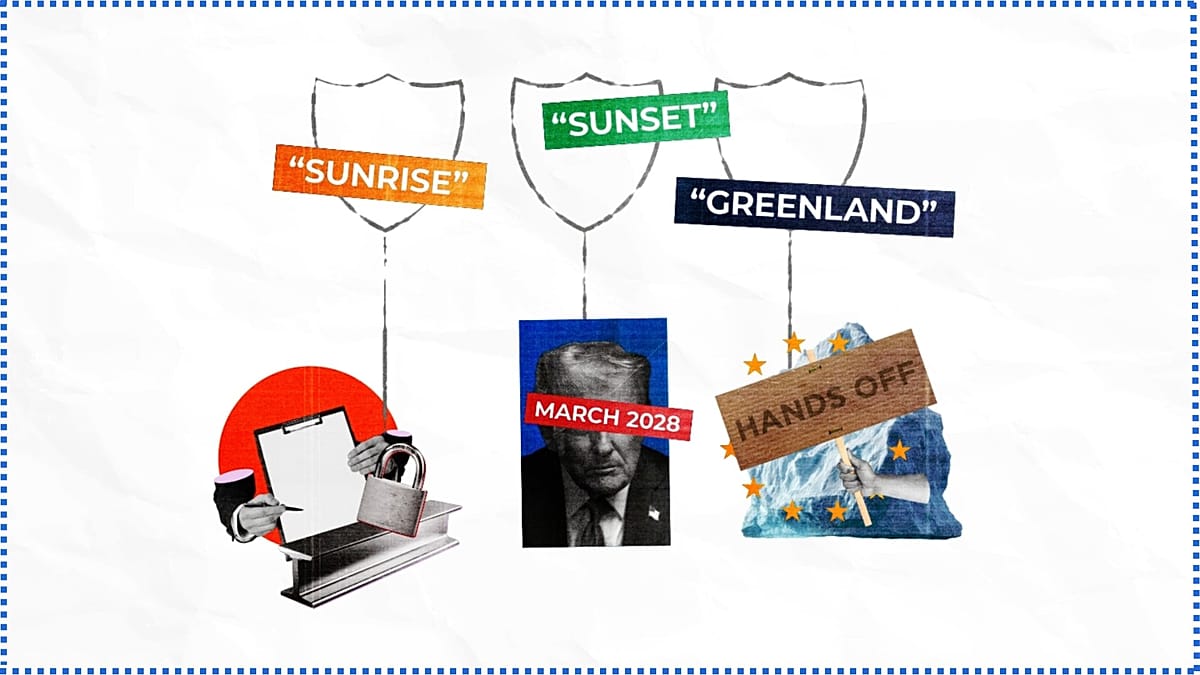
Later tonight in Strasbourg (at 9pm local time), EU lawmakers and diplomats will convene for crunch negotiations on the EU-US trade deal, as the clock ticks before the Trump-imposed 4 July deadline. Overnight, Greenland’s Prime Minister Jens-Frederik Nielsen suggested the US’s designs on the Arctic territory remained unchanged after talks with US President Donald Trump’s envoy – an issue which has previously torpedoed the EU’s implementation of the embattled deal.
But we start this morning with the hostile economic order that Europe finds itself facing.
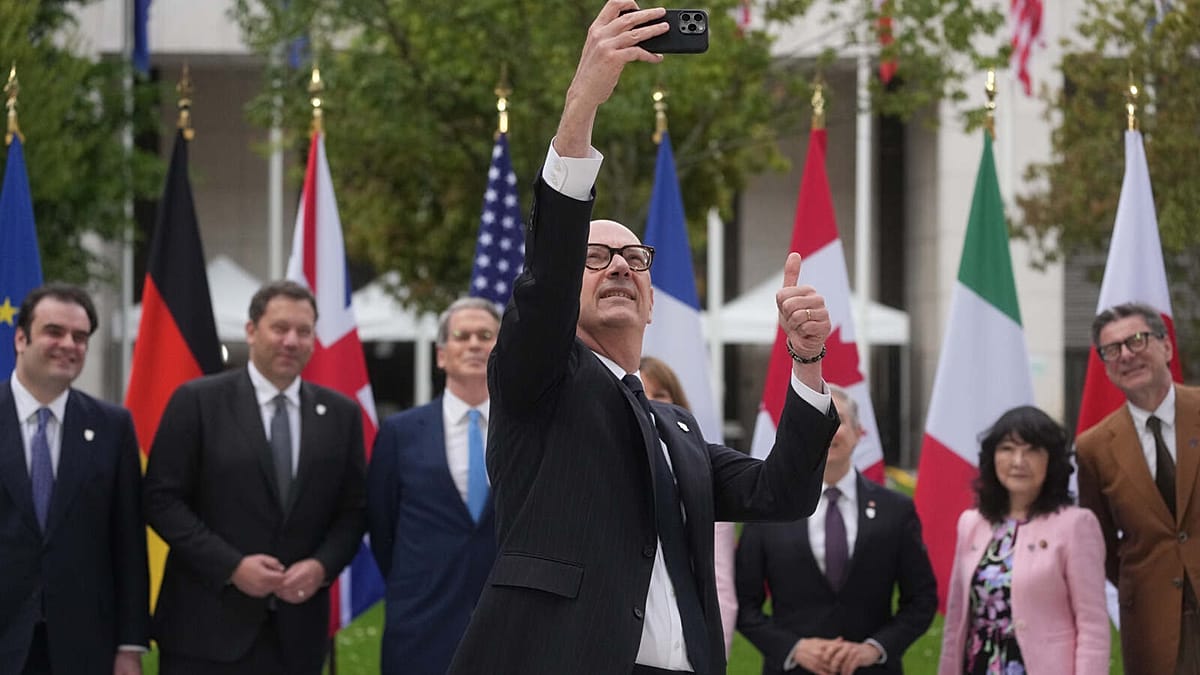
G7 finance ministers meet again today in Paris for a second day of talks amid economic tensions and volatility – with the deadlock between the US and Iran over the Strait of Hormuz persisting and sending major shockwaves through the global economy.
Despite oil prices subsiding this morning after Trump expressed optimism over a deal with Iran, inflationary fears continue to grip the markets, driving a bond selloff last week that pushed European bond yields to their highest levels in years.
Speaking from Paris on Monday, French Finance Minister Roland Lescure, who chaired the meeting, insisted the bond markets were “undergoing a correction” rather than “collapsing”.
He also insisted the ministers would show “multilateralism is useful and that it works”, despite trading tensions within the Group of Seven reaching unprecedented levels amid Trump’s continued tariff threats.
Higher borrowing costs and a prolonged energy shock are a nightmare scenario for European governments with already limited fiscal space. The combination also threatens to undermine Europe’s push to restore its global competitiveness — a mission leaders including France’s Emmanuel Macron had hoped to make a defining priority by the summer.
Meanwhile, the Italian Prime Minister Giorgia Meloni has threatened to withdraw from the EU’s flagship €150 billion defence loan programme known as SAFE unless Brussels relaxes EU fiscal rules so that governments have more flexibility to curb the impact of the energy crisis on households and businesses.
Meloni wants a special carve-out in EU rules that require governments to keep deficits to no more than 3% of GDP for “investments and extraordinary measures needed to address the energy crisis”.
The same exemption, known as a national escape clause, has already been applied for defence spending. Meloni argues that the energy crisis merits the same radical response. My colleague Marta Pacheco has more.
Meanwhile, the US has also extended a waiver on its sanctions on Russian seaborne oil by another month in order to curb soaring crude prices, a move which was communicated by Treasury Secretary Scott Bessent to his G7 counterparts.
And later today in Strasbourg, the European Commission is set to unveil a plan to use untapped agriculture funds to support farmers with the price of fertiliser, which has been spiralling due to the closure of the Strait of Hormuz, according to a France Info scoop.
The urgency around the hostile economic order engulfing Europe is also heightened by a ballooning trade deficit with China that risks further eroding Europe’s struggling industries and suffocating its economic competitiveness.
As my colleagues Peggy Corlin and Luca Bertuzzi write, the European Commission is doubling down and preparing a range of tools to shield the bloc from cheap Chinese imports, including reducing its dependence on Chinese components and imposing tariffs on strategic sectors.
The Commission is expected to hold an “orientation debate” on the tools on May 29 – with discussions expected to continue during a G7 leaders’s summit in Evian, France, and a gathering of EU leaders in Brussels in mid-June.
Ahead of that discussion, a range of tools are being floated by officials in Brussels, including measures that would require European companies to source materials from at least three separate suppliers, in a bid to reduce reliance on Beijing. Also on the table: tariffs targeted at strategic sectors to tackle Chinese overcapacity, as well as anti-dumping or anti-subsidy duties on products where import prices fall below those at which they are sold on the Chinese market.
This after a pompous meeting between Trump and Xi last week that, despite the grandeur, failed to deliver any real progress on the trading relationship – and amid mounting fears that cheap Chinese exports are being increasingly rerouted to Europe since US President Donald Trump slapped steep tariffs on Chinese goods last year, effectively shutting its market.
NATO military chiefs meet in Brussels amid concerns over weapons shortages
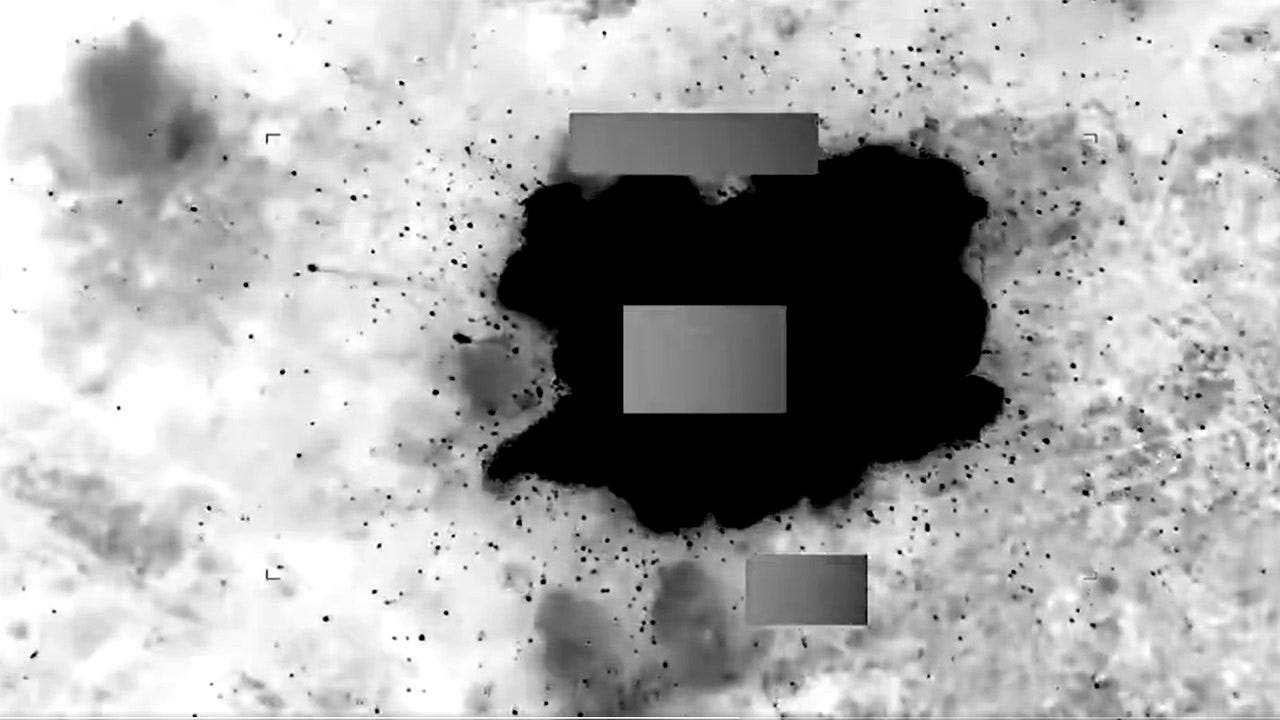
The military chiefs of all 32 NATO allies meet in Brussels this morning to discuss the urgent need to ramp up weapons production. Extra pressure is mounting in light of the war in Iran, as the US has burned through stockpiles of high-quality munitions including significant portions of its expensive air and missile Patriot defence systems, our correspondent Shona Murray writes this morning.
Allies will hear from General Alexus G. Grynkewich, Supreme Allied Commander Europe (SACEUR), and his assessment of the alliance’s overall capabilities and deterrence posture – including the impact of the decision to relocate assets from Europe to the Strait of Hormuz in preparation to reopen the passage when hostilities come to an end. The assessment will also include the impact of Washington’s abrupt decision to cancel a brigade of around 4000 soldiers enroute to deployment in Poland.
“We’ve been saying for years that military production needed to be ramped up exponentially because of the war in Ukraine, but the Iran war has shown us it’s even more important we do this now,” a senior NATO military source told Euronews ahead of the meeting.
“We need a lot of resources and munitions and the ability to ramp up production quickly. And we just don’t have that, and we need it very fast.”
The source also said the ongoing war in Iran, which has choked global supply chains of oil, gas and other commodities from the Gulf as a resultant closure of the Strait of Hormuz, is a prime example of why NATO should have increased its weapons output some time ago.
Washington or Moscow: China’s President to welcome Putin a few days after Trump’s visit
Less than a week after the US President’s visit to China, it is President Vladimir Putin who is now heading to Beijing, our correspondent Sasha Vakulina writes. Who will prove to be a more persuasive partner, Washington or Moscow?
Russia has high expectations for Putin’s trip, and the two sides will use it to develop their “privileged partnership”, the Kremlin said on Monday.
While Moscow has given an official reason for the visit, saying Russia and China are set to discuss their “strategic partnership”, the timing of Putin’s visit points at a complex geopolitical agenda and China’s diplomatic upper hand in it.
It comes right on the heels of President Trump’s official visit to Beijing. But despite high expectations, that visit was largely underwhelming, with no tangible progress made on trade, Ukraine, or the war with Iran.
Now, these topics will also be raised by Russia’s President at his meeting with Xi Jinping.
More from our newsrooms
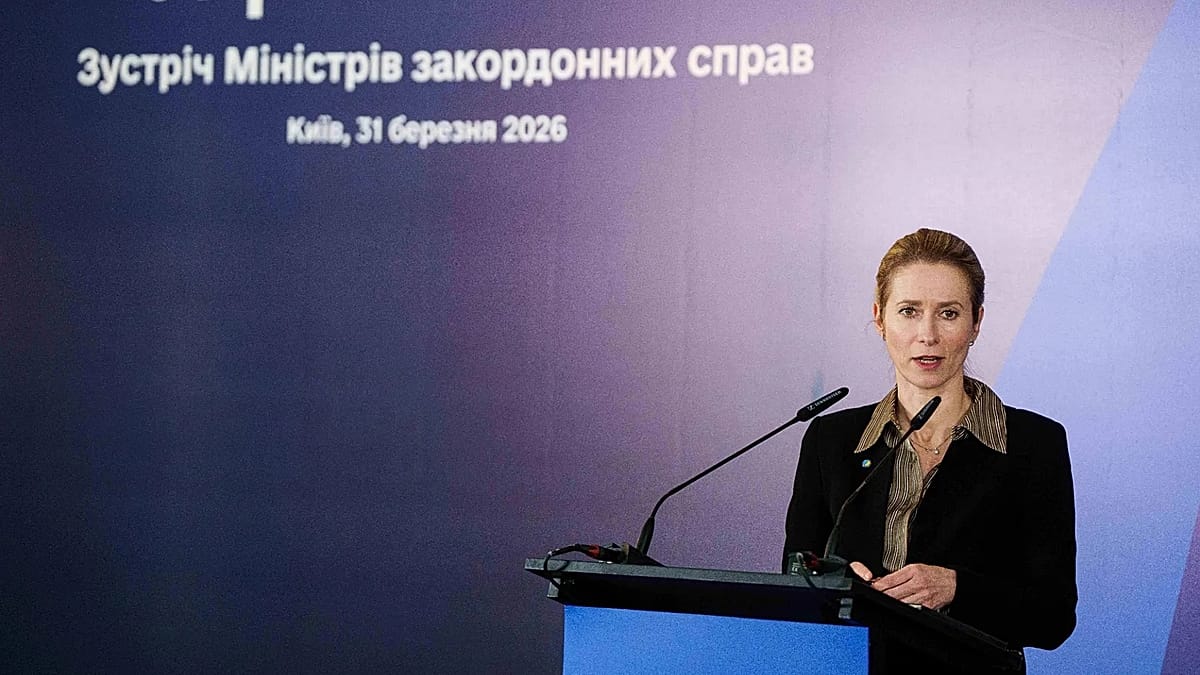
‘A lot of masculinity in the room’: Kallas argues for greater female participation in diplomacy. The EU’s top diplomat has argued that having more women at the negotiating table during peace talks will result in better outcomes for global conflicts, including Russia’s invasion of Ukraine. Our correspondent Angela Skujins digs into the evidence behind the claim.
Magyar signals first openness to Ukraine accession talks since Orbán’s departure. Hungary’s new government says it is open to engaging with Ukraine on its accession to the EU, according to several sources. Meanwhile, a technical dialogue with Kyiv has been announced on the thorny issue of Hungarian minorities. Brussels looks for a breakthrough. Luca Bertuzzi, Sandor Zsiros and Sasha Vakulina have more.
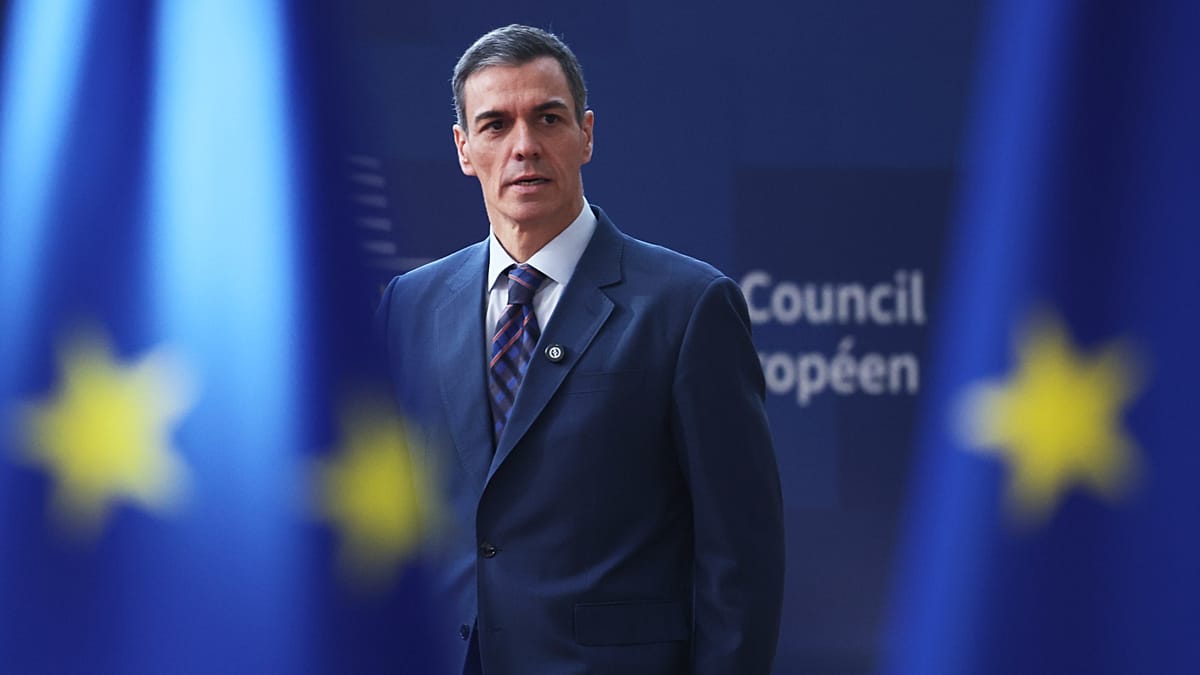
Spain tilts right under Pedro Sánchez despite progressive credentials abroad. A series of regional votes, capped by a conservative win in Andalusia on Sunday, has cemented Spain’s rightward shift, even as Pedro Sánchez builds his international profile as the leader of the progressive left in defiance of President Donald Trump, our Europe Editor Maria Tadeo writes in this must-read piece.
We’re also keeping an eye on
- The European Parliament’s plenary session continues in Strasbourg. Lawmakers and diplomats resume talks on finalising the EU-US trade deal later this evening.
- Talks between lawmakers and diplomats on defence permits take place in Strasbourg. The European Parliament’s leading negotiator, MEP Henrik Dahl, tells our correspondent Angela Skujins he expects middle ground to be found on issues like permitting deadlines and reporting safeguards – but that Europe cannot wait. “We have to be ready by 2030 now. Each day counts,” he said.
- G7 Finance Ministers and Central Bank Governors’ meeting continues in Paris, France.
That’s it for today. Maria Tadeo, Angela Skujins, Luca Bertuzzi, Peggy Corlin, Shona Murray and Sasha Vakulina contributed to this newsletter.
Read the full article here