




 Weather
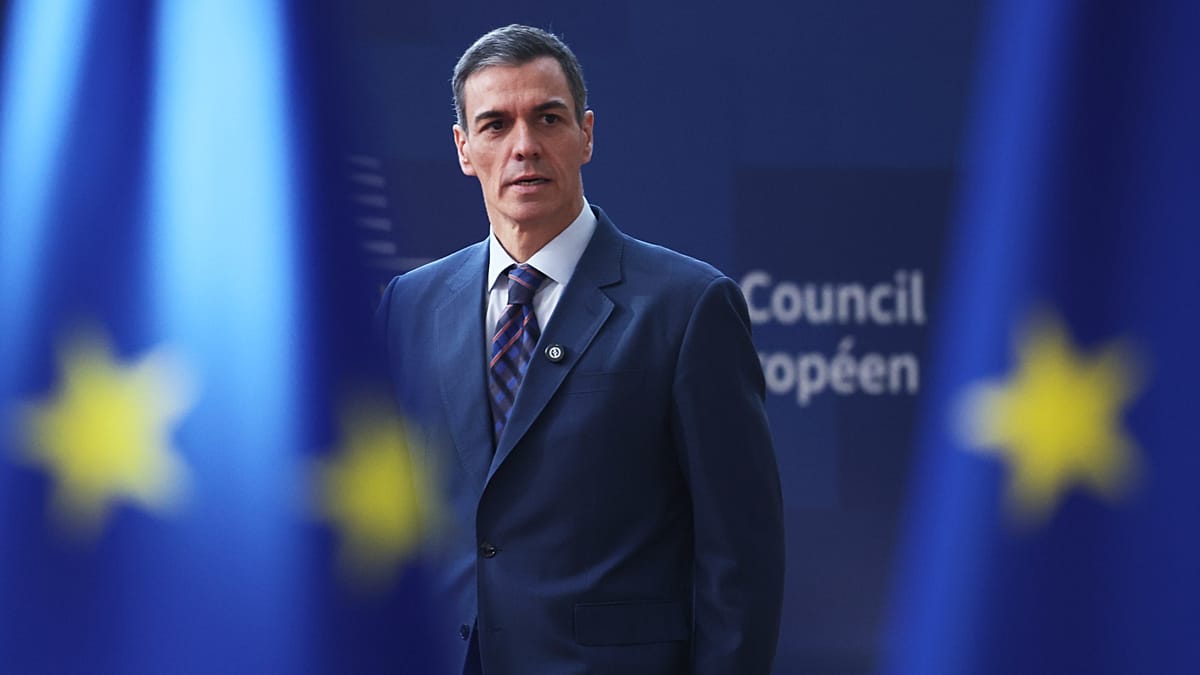
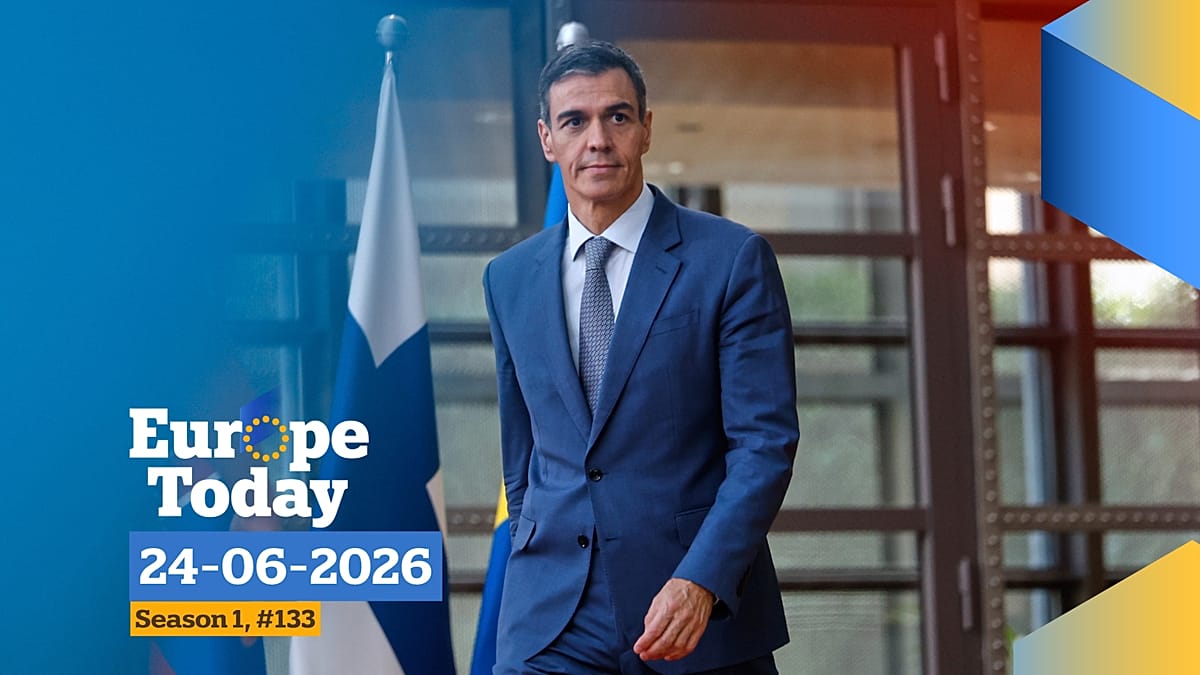
A series of regional votes, capped by a conservative win in Andalusia on Sunday, has cemented Spain’s rightward shift, even as Pedro Sánchez builds his international profile as the leader of the progressive left in defiance of President Donald Trump.
ADVERTISEMENT

ADVERTISEMENT
Successive regional votes in Aragon, Castilla y León and Andalusia this year saw Spain’s Socialist Party lose seats, with the conservative People’s Party coming out on top and the hard-right Vox emerging as kingmaker.
The ballots paint a complex picture of Spanish society, where the coexistence of the mainstream right, backed by the hard right, is becoming the norm at regional level.
The successive defeats of the Spanish Socialists, including candidates backed by Sánchez, point to a protest vote and, to a certain degree, a popular rejection of the progressive agenda pushed by the government in Madrid.
That contrasts with the international profile Sánchez has built for himself and the country as one of the last bastions of progressive ideals in Europe in the age of MAGA politics.
Sánchez is also one of the last left-leaning prime ministers still in office in the EU after Denmark’s Mette Frederiksen failed to form a government earlier this year.
The results underscore a fascinating phenomenon in relation to Sánchez, pointing to a stark divide between his perception abroad and his image at home. While this can be often the case for most senior politicians in Brussels, in his case, it is remarkable.
Sánchez is often praised internationally for his independent foreign policy on Gaza, his stance towards Donald Trump and his growing influence on progressive politics globally, yet at home he is highly polarising and his foreign agenda is often overshadowed by the fragility of his government and legal probes involving his family, which he denies.
In Madrid, his Socialist administration has increased pensions, raised the minimum wage, and recently initiated a process to regularise half a million immigrants living in the country, in what his government has described as an opportunity for a “dignified” life.
Spain has also expanded its diplomatic network under his watch to play a role in international diplomacy.
A diplomatic Spanish source told Euronews that Sánchez managed to position Spain as a bridge, engaging with Latin America, the Arab world and, increasingly, China. His critics say he has not used this influence to deliver any meaningful benefits for Spain or Europe
Regional politics hardly measure electoral success
While the Socialist Party lose most of its territorial power outside of Catalonia, Sánchez has a track record of performing stronger at national level.
In 2023, after a disastrous regional ballot held across the country, the Spanish prime minister called a snap election, to the surprise of international commentators.
His goal of stopping a ‘blue wave’ from sweeping Spain — a reference to the colour associated with the conservative People’s Party — was largely successful.
While the Socialists lost the general election, coming in second, they narrowed the gap with the People’s Party and managed to form a government by bringing together all forces of the opposition, from hard left to smaller nationalist parties and pro-independence politicians
As a parliamentary democracy, it is not necessarily the largest party in terms of votes, but the one able to command a majority in parliament, that gets to govern.
His entourage hopes the same strategy can be applied in 2027, when Spaniards are due to vote, banking on his ability to repeatedly mobilise his progressive base by campaigning against the prospect of a hard-right government involving the People’s Party and Vox, which polls suggest is a plausible scenario.
Sánchez argues that a union of the right would lead to a rollback of social rights and the introduction of more conservative social policies.
But he is facing hurdles, with his government unable to pass basic laws.
Madrid has not updated its national budget since 2023, lacking parliamentary support to approve new figures. Financial markets have largely ignored these issues, as the Spanish economy is largely outperforming its European peers.
Sánchez is also somewhat affected by an element of fatigue in public opinion; he is now the second-longest-serving leader in Spain’s democratic history, in office since 2018 after he successfully led a vote of no confidence against the opposition.
Sources close to the Spanish PM say he is determined to run again next year, and there has been no talk of a potential candidate to replace him. As Secretary General of the party, he has also removed both allies and foes over the years.
In an autobiography published in 2019 titled Manual de Resistencia, he hinted at his biggest personal strength: being able to resist and stay put come what may.
Read the full article here