





 Weather
Published on
The European Commission is running short on capacity to manage several accession processes at the same time — and the worst may be yet to come.
ADVERTISEMENT

ADVERTISEMENT
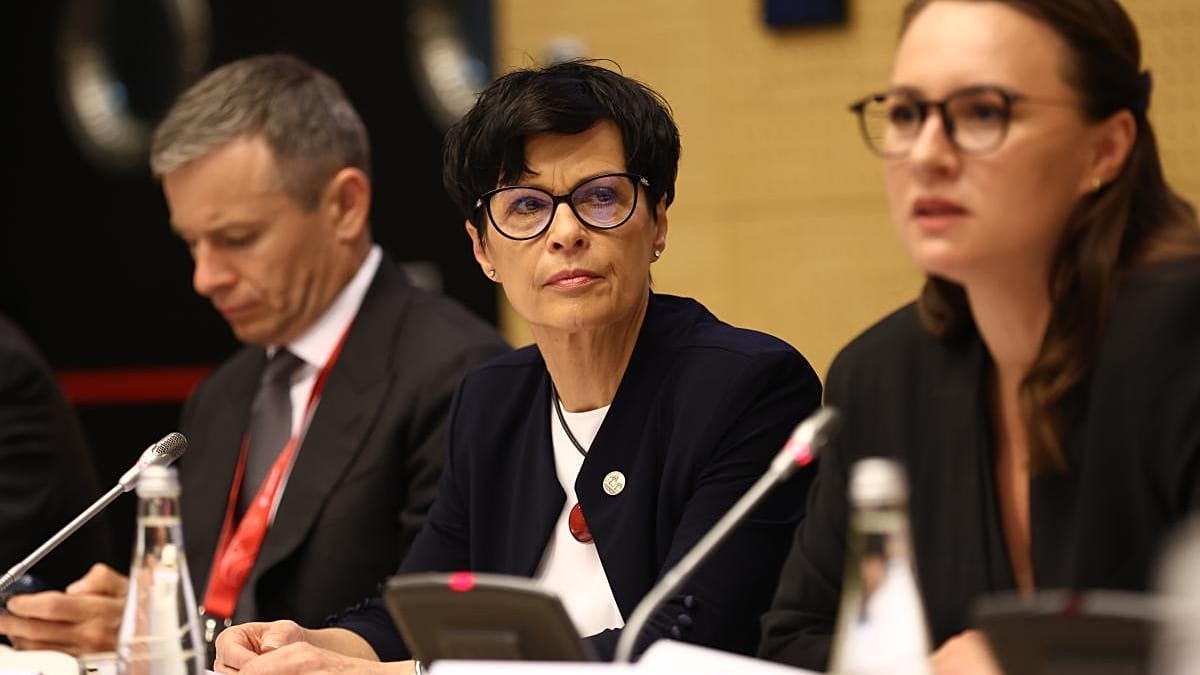
The EU executive’s Directorate-General for Enlargement and the Eastern Neighbourhood (DG ENEST) is facing a mounting capacity challenge, according to three sources with knowledge of the matter.
Ironically, the strain is due to the bloc’s booming enlargement drive: more negotiating chapters have closed in the past six months than in the past decade.
Montenegro, the “frontrunner”, is currently having its accession treaty drafted and aims to become the EU’s 28th member by 2028. Albania is close behind, hoping to begin work on its own accession treaty early next year.
Indeed, the finalisation of the accession work with Podgorica, via the establishment of a dedicated task force, has required a significant reallocation of resources, specifically of officials working on Western Balkan countries that have not made recent progress.
“It is not just the candidate countries that struggle to keep up with the massive workload required,” an official told Euronews on condition of anonymity. “The Commission has lost the institutional memory and capacity of the last enlargement wave.”
To make things more complicated, DG ENEST, like many other Commission departments, largely relies on temporary contracts and few permanent officials. This means there is a high turnover rate and little experience in closing negotiations, as the last country to enter the bloc was Croatia in 2013.
Meanwhile, Iceland is staging an unexpected comeback, and has called a referendum on 29 August to decide whether to resume its accession path. If Reykjavík were to go ahead, the Commission would have to set up another accession treaty task force and considerably ramp up resources dedicated to the island country.
Other pressure points are Ukraine and Moldova, which have opened two negotiating chapters in the past weeks. Politically, there is a push to open the remaining four clusters before year-end — even as Hungary has pressed for a more gradual approach for domestic political reasons.
Under the current enlargement methodology, no country has ever opened all negotiating clusters simultaneously. Albania has moved exceptionally fast, and even then, Tirana took more than a year to formally open all of them.
While the Commission moved ahead with the work while Kyiv’s accession bid was put on hold by Viktor Orbán’s Hungary — a process known as frontloading — the political ambition to advance on several clusters at once may now face a reality check on both sides.
In Brussels, officials admit that advancing with so many countries at once will inevitably require re-prioritising internal resources.
Kyiv and Chișinău are also reaching their limit: neither Ukraine nor Moldova has ever had to manage negotiations and legal integration of this complexity before.
The Commission isn’t the only EU institution losing its grip on enlargement: the Council of the EU and member states are also scrambling to build up their internal capacity.
Having made enlargement a cornerstone of its foreign policy, Brussels now faces a test in the coming months. It must prove that it has an adequate allocation of resources to match its political commitment.
The Commission did not reply to Euronews’ request for comment.
Read the full article here