





 Weather
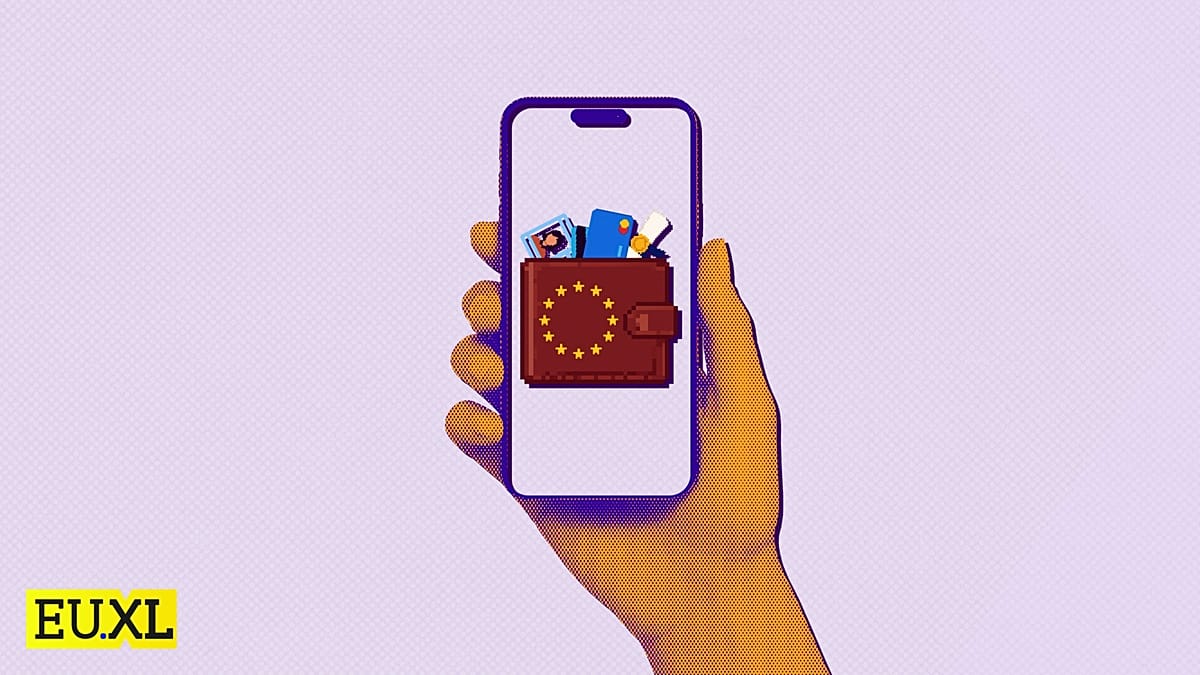
The EU is asking countries to offer at least one certified digital wallet by the end of 2024. Before the deadline, EU-funded pilot projects with 350 organisations issued over 1,500 digital credentials and completed more than 8,000 cross-border transactions.
ADVERTISEMENT

ADVERTISEMENT
The free wallet can hold national IDs, driving licences, diplomas, health insurance, and bank details. It uses three safeguards: selective disclosure, unlikability, and issuer-blindness. Using the wallet is optional, and paper documents are still valid.
The rollout is uneven across countries. Italy leads with almost 8 million monthly users. Germany plans to launch in January 2027, while the Netherlands postponed its rollout to late 2027 after a pilot had only 57 users. Bulgaria is still working on legislation.
Businesses must accept the wallet by December 24, 2027, but banks need to comply earlier, starting in July 2027, because of anti-money-laundering rules. The digital rights group EDRi has raised concerns about draft rules that would require facial recognition and reduce privacy protections.
Read the full article here