





 Weather

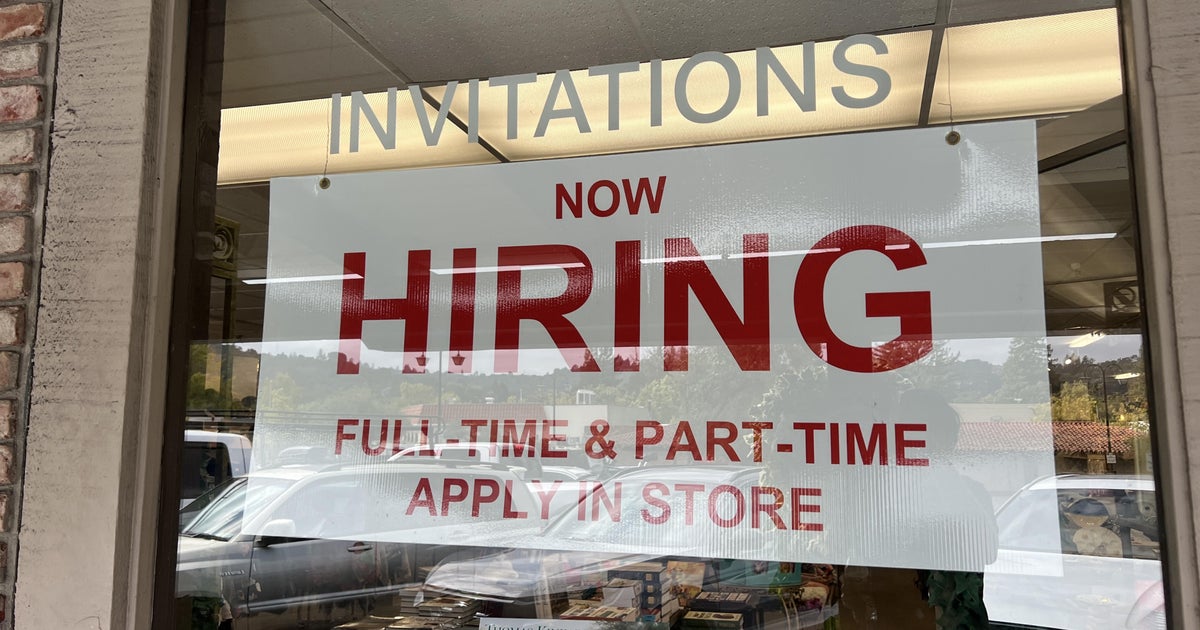
Employers across the U.S. added 165,000 jobs in October, soaring past economists’ forecasts and signaling that hiring is accelerating despite headwinds such as inflation.
By the numbers
Hiring came in much hotter than expected, with economists polled by FactSet predicting the economy added 65,000 new jobs last month. The unemployment rate stood at 4.1% in October, dipping from 4.2% in the prior month.
The Labor Department on Friday also revised up payroll gains for August and September by a combined 84,000, a sign that hiring those months was more robust than previously reported.
Job growth expanded across a range of sectors, led by professional and business services, which added 70,000 jobs, and health care, which added 42,000.
Hiring is showing signs of revival after a sluggish 2025, when employers added an average of just 10,000 new jobs per month. Through October, payroll gains in 2026 have averaged around 86,000 a month. With corporate profits and consumer spending remaining healthy, layoffs also remain low despite stubborn inflation and recent jitters in the stock market over whether the pace of AI investment is sustainable.
“Today’s jobs report is a strong rebuttal to fears that the economy is heading into a meaningful slowdown,” Seema Shah, chief global strategist at the investment firm Principal Asset Management, said in an email. “Payroll growth surprised firmly to the upside, unemployment fell back to 4.1% and job creation remains broad-based, pointing to an economy that is still absorbing labor comfortably rather than one beginning to buckle under tighter financial conditions.”
To be sure, people looking for work face challenges finding a job. The long-term unemployment rate — the share of workers who are unemployed for 27 weeks or longer — rose to 27.6% in October, from 27.1% the month prior. And labor data suggests that employers are conferring at least some roles that historically would’ve gone to younger Americans to artificial intelligence.
What this means for interest rates
Economists said that the strong job numbers bolster the case for Federal Reserve officials to raise interest rates at their next meeting in December. Robust hiring tends to drive wage growth, which can further fuel inflation — a scenario the Fed will want to avoid as it works to tame already high prices.
“The labor market’s resilience keeps the Fed focused on inflation and pushes the policy debate further toward a December rate hike,” Olu Sonola, head of U.S. economics at Fitch Ratings, said in an email.
Most economists expect the Fed to raise its benchmark rate next month after holding borrowing costs steady in October. Inflation accelerated last month and remains well above the Fed’s 2% annual target. Fed futures traders see roughly a 77% likelihood that the Fed will raise rates at its Dec. 8-9 meeting, according to CME FedWatch.