


 Weather
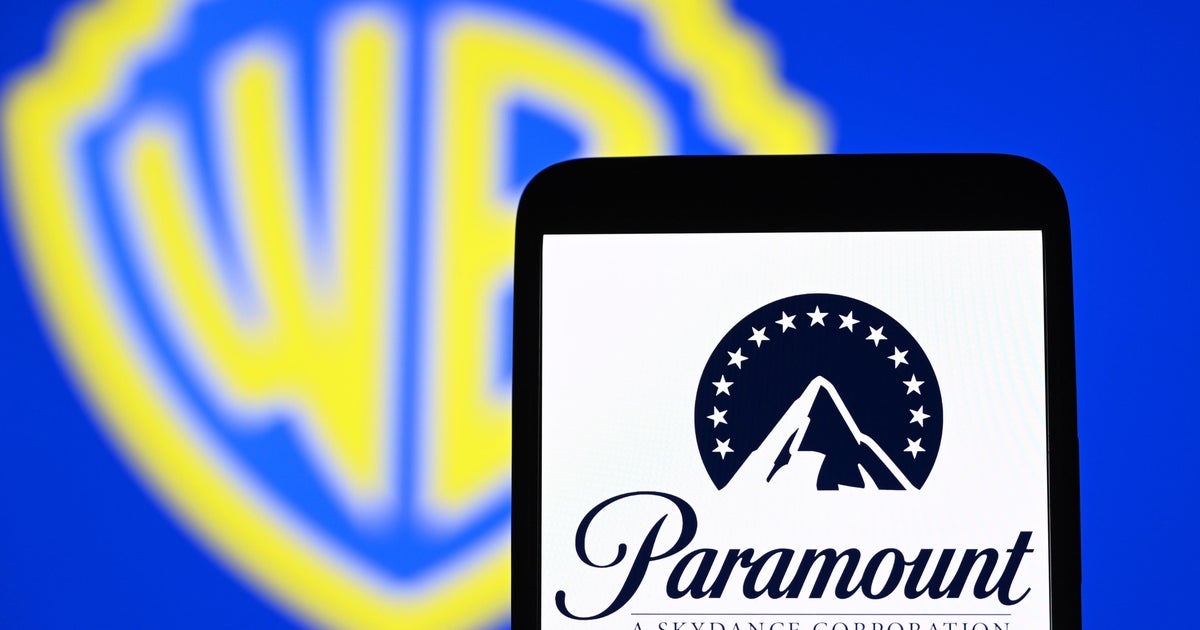
A coalition of a dozen states on Monday sued to block Paramount Skydance’s acquisition of Warner Bros. Discovery, posing a new challenge to the $110 billion deal that would unite two of the nation’s largest media companies.
Attorneys general from the 12 states, led by California Attorney General Rob Bonta, claim that the merger would harm competition in the movie industry and result in lower pay and fewer job opportunities for industry professionals. The states also argue that the merger would hurt consumers by driving up cable package and movie ticket prices and offering fewer news and entertainment choices.
“We have antitrust laws and merger controls for a reason, because competition is the lifeblood of a healthy and vibrant economy. Competition pushes companies to produce their best work, to innovate, and to offer fair and reasonable prices,” Bonta said in a Monday press conference.
The states suing are Arizona, California, Colorado, Connecticut, Massachusetts, Minnesota, Nevada, New Jersey, New Mexico, New York, Oregon and Washington. The lawsuit alleges that the merger is illegal under the Clayton Act of 1914, which prevents mergers that may undermine competition or create a monopoly.
Paramount Skydance did not immediately respond to a request for comment. A Warner Bros. spokesperson referred CBS News to Paramount Skydance.
If combined, Paramount and Warner Bros. would control nearly a third of cable programming and more than a third of blockbuster films, according to Bonta’s office.
The coalition of states has requested that the two companies halt the merger until the case concludes.
“If they do not agree, the coalition will be filing a temporary restraining order,” Bonta’s office said.
Paramount has previously said it expects the transaction to close in the third quarter. If the merger isn’t completed by Sept. 30, Paramount has agreed to pay shareholders a 25-cent per share “ticking fee,” amounting to $650 million per quarter.
The lawsuit comes after the Justice Department closed its investigation into the deal in June, clearing the way for Paramount and Warner Bros. to merge. At the time, the DOJ said the transaction “is not likely to result in harm to competition or American consumers.”
Paramount Skydance, the parent company of CBS News, has argued that the deal would promote competition and result in a stronger company. The entertainment company, led by CEO David Ellison, had committed to releasing 30 films a year in theaters through the combined business, a move it said will help support job growth.
The proposed deal would create a media giant, combining Paramount, which owns Paramount studios and cable networks such as Comedy Central and Nickelodeon, with Warner Bros., owner of the “Harry Potter” franchise and cable networks including CNN, HBO Max, TBS and TNT.
Pushback from states, Hollywood, international community
California Attorney General Rob Bonta has been a vocal critic of the merger. In February, he announced that the California Department of Justice was launching an investigation into the deal, writing that his office intended to conduct a “vigorous” review.
Some major players in Hollywood have also opposed the combination. In April, more than 5,000 industry professionals — including celebrities such as Sofia Coppola, Kevin Bacon, Jane Fonda and Robert De Niro — signed an open letter against the merger, saying that it would result in “fewer opportunities for creators, fewer jobs across the production ecosystem, higher costs, and less choice for audiences in the United States and around the world.”
In response to the letter, Paramount Skydance said in April that the merger would give creators “more avenues for their work, not fewer.”
“This transaction uniquely brings together complementary strengths to create a company that can greenlight more projects, back bold ideas, support talent across multiple stages of their careers, and bring stories to audiences at a truly global scale,” Paramount said in a statement.
Paramount has touted additional regulatory clearances from several other countries, including China, Canada and Australia. But other reviews remain in progress, including in the European Union and the U.K., which has separately suggested it may intervene.
In another case earlier this year, a coalition of states sued to block a merger between Nexstar Media Group and broadcast company Tegna. A federal judge subsequently blocked the $6.2 billion merger until the antitrust lawsuit is resolved, finding the state AGs and DirecTV, which also sued, were likely to prevail in their legal bid to stop the merger.