





 Weather
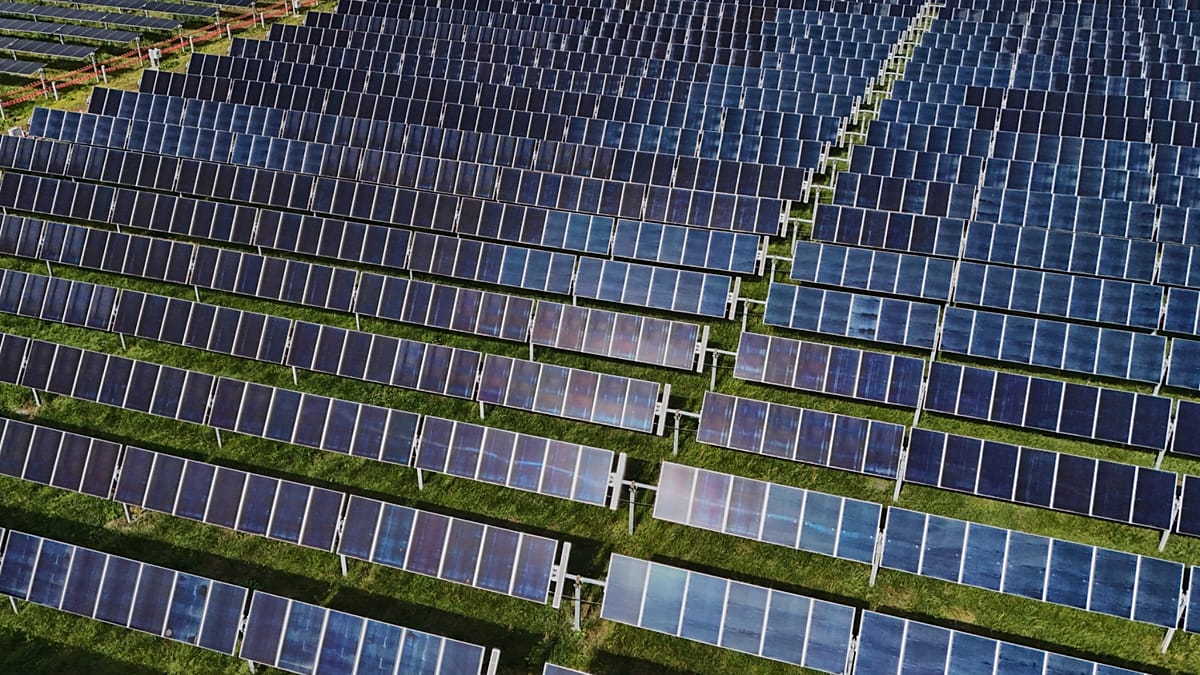
In the EU, surplus renewable electricity is sometimes wasted because there is not enough capacity to store it until it is needed. Fossil-fuel power plants are still required when renewable generation falls. Electricity demand is rising, from electric vehicles, heat pumps and AI-driven data centres. Expanding energy storage has become increasingly important to keep the power system reliable and green.
ADVERTISEMENT

ADVERTISEMENT
EU energy ministers signed, on 26 June, the bloc’s first tripartite agreement on energy storage, bringing together member states, industry and financial institutions. Twenty-two countries committed to adding 30–35 gigawatts of new storage capacity by 2028, contributing towards the EU’s target of reaching 200 gigawatts by 2030, compared with around 55 gigawatts today.
The agreement wants to speed up investment in batteries, pumped hydropower, thermal storage and other technologies that can capture excess renewable electricity and release it when demand increases. Member states also pledged to remove regulatory barriers, improve planning and permitting, and mobilise public and private financing.
Although the commitments are voluntary, the EU hopes the initiative will reduce wasted renewable energy, strengthen energy security, stabilise electricity prices and support its transition away from fossil fuels.
Can this be enough to optimise European green energy? Is storage the key problem – or is it something else? Our poll is anonymous and takes only a few seconds to complete. The results will be featured across EU-wide XL coverage, in videos, articles and newsletters, and will help shape our reporting as we examine how Europe can secure its position in the age of artificial intelligence.
Read the full article here