





 Weather


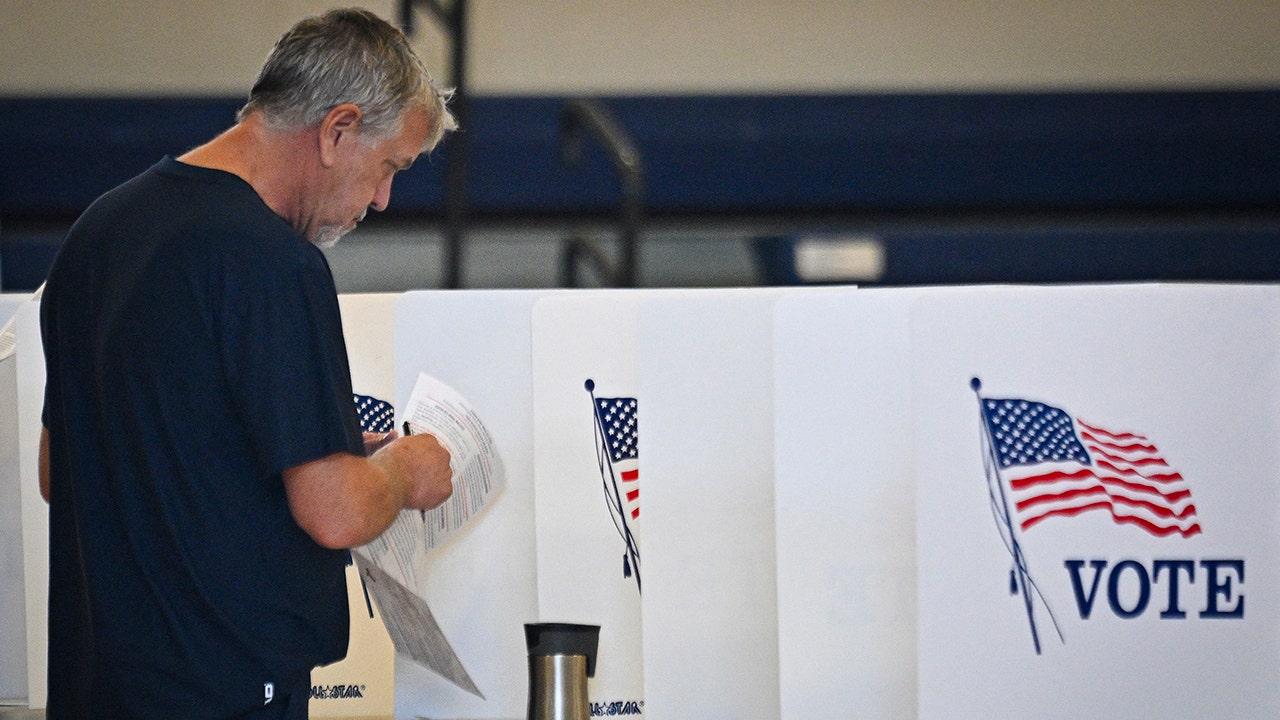
Voters across America are casting their ballots in the midterm elections on Tuesday, which will determine control of Congress and could add to investors’ concerns about oversight of the artificial intelligence (AI) sector and how the debt ceiling will be addressed next year.
Since President Donald Trump’s second term began in 2025 with Republican majorities in both chambers of Congress, the S&P 500 has gained about 27% in part due to a massive influx of spending on AI and strong earnings growth.
Treasury yields are also significantly higher in part because of geopolitical risks that emerged with the outbreak of the Iran war in late February, which caused a surge in energy prices. U.S. budget deficits have continued to widen to about $2 trillion, adding more upward pressure to yields as debt issuance mounts.
Investors are weighing how the results of the election will affect the outlook for financial markets depending on whether Democrats take control of one or both chambers of Congress.
AFFORDABILITY TAKES CENTER STAGE AS AMERICANS CAST THEIR BALLOTS IN HIGH-STAKES MIDTERMS
Since 1930, there have been eight midterm cycles when the president’s party lost control of the House, and the S&P 500 rose for the remainder of the year five times, Ned Davis Research said. It posted a median gain of 1.4% from Election Day through year-end, slightly less than the 1.9% posted across all post-Election Day midterm years.
In a scenario in which Democrats win control of both chambers of Congress, investors expect tougher oversight of AI which could weigh on markets that have been pushed higher by the emerging tech.
Democratic majorities would have the ability to investigate corporate America while attempting to slow deregulation, which could increase market volatility.
DSA PLATFORM COULD COST UP TO $212T OVER A DECADE, ANALYSIS FINDS

If Democrats win the House but Republicans hold their majority in the Senate, implications for the U.S. fiscal situation could be mixed.
Bipartisan compromises would be required over issues like funding the government to avoid shutdowns and raising the debt ceiling, which could create the potential for brinkmanship.
In a scenario where Republicans retain their majorities in the House and Senate, the GOP could pursue further tax reforms or boost defense spending.
FEDERAL BUDGET DEFICIT HITS $2T AS NATIONAL DEBT COSTS SURGE

Ned Davis chief U.S. strategist Ed Clissold said that a House takeover by Democrats could modestly temper the U.S. equity market’s year-end rally, but in general it hasn’t prevented stocks from advancing.
“Conventional wisdom is that gridlock is good (for stocks),” said Clissold, adding that stocks have performed better under Democratic presidents than Republicans.
Diego Barnuevo, market analyst at Ebury, said that a Democratic-held Congress’ negotiations with the White House would likely be limited to the budget and debt ceiling, and that a “Democratic sweep would be neutral to mildly positive for the fiscal outlook.”
CLICK HERE TO DOWNLOAD THE FOX NEWS APP
A Republican sweep could ease concerns over investigations into AI companies that carry the potential to rattle markets.
“If Republicans maintain control of Congress, that would likely provide the most supportive incremental federal policy backdrop for the AI/infrastructure buildout through policy continuity, potential fiscal expansion, deregulation and faster federal permitting,” JPMorgan strategists said in a note.
Reuters contributed to this report.