


 Weather
Who has oversight of a car that flies, hovers or otherwise defies gravity? We asked Department of Transportation officials, and the answer isn’t readily clear.
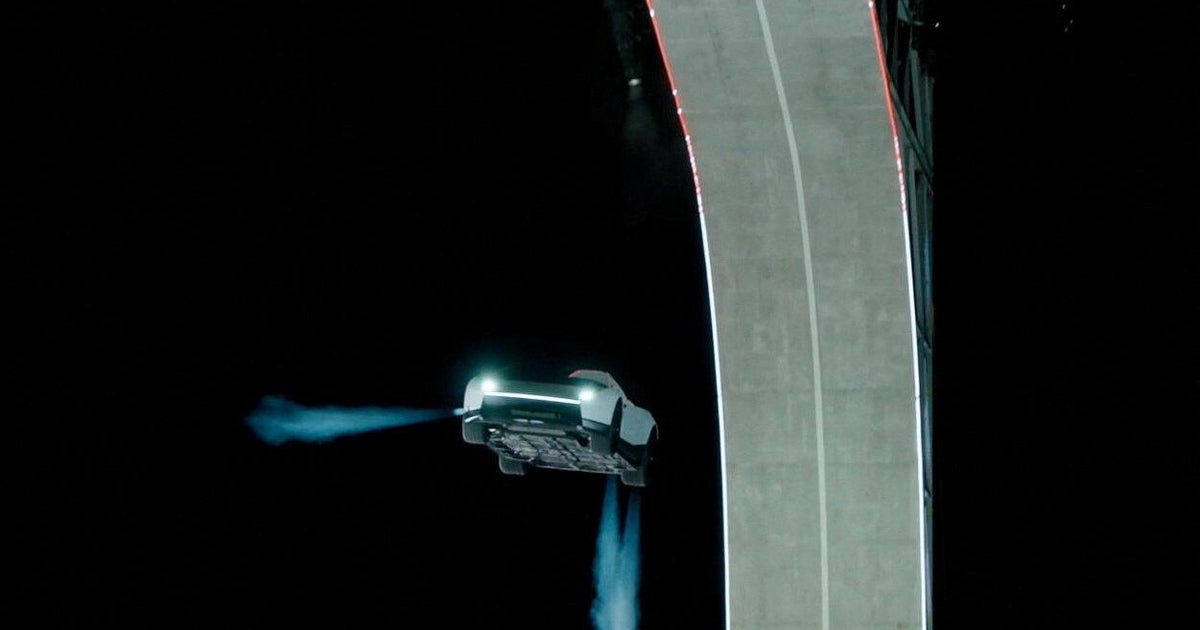
Tesla and SpaceX CEO Elon Musk unveiled Tesla’s new Roadster Rocket, which he called a “flying car” equipped with “ultra high-pressure air tanks” — describing it as “what happens when you have a collaboration with the world’s best car company and the world’s best rocket company.” The car — about a decade behind schedule — would go into production in 2028.
Technical and regulatory challenges have so far prevented the much-hyped flying car sector from getting off the ground, and Tesla’s website notes that the flying model isn’t approved for public road use. There’s a non-flying version of the car, which would-be buyers can reserve online with a $5,000 deposit, but the Tesla website says the Rocket model with the “full flight system” will be offered by invitation only.
So, who will decide whether the Roadster is safe? There’s time to work that out, but a senior Department of Transportation official, who expressed skepticism that the vehicle will actually be able to take off, acknowledged there’s no clear answer.
The National Highway Traffic Safety Administration typically has regulatory oversight of vehicles — though it delegates safety certification to the automaker. NHTSA has not yet responded to our request for comment.
If the Roadster is going to enter the public domain with the ability for off-ground “driving,” that would seem to shift to the FAA, which regulates aircraft. The FAA tells CBS News: “The Tesla vehicle does not meet the FAA definition of an aircraft.”
Thursday’s Roadster demo showed the car launching from a ramp that curled over so the vehicle was upside down, appearing to defy gravity by clinging to the surface before flying off the end, and then rolling over 180 degrees midair to land on its wheels.
CBS News reached out to Tesla to ask which agencies the company is working with. We will update if we hear back.