


 Weather
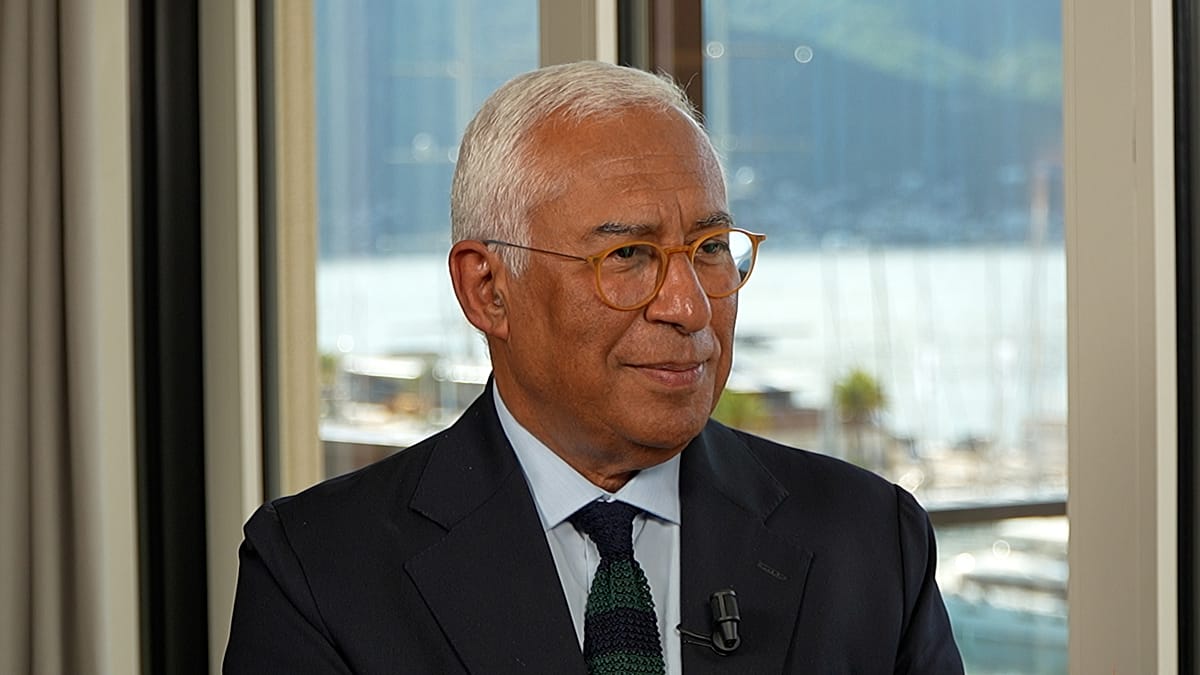
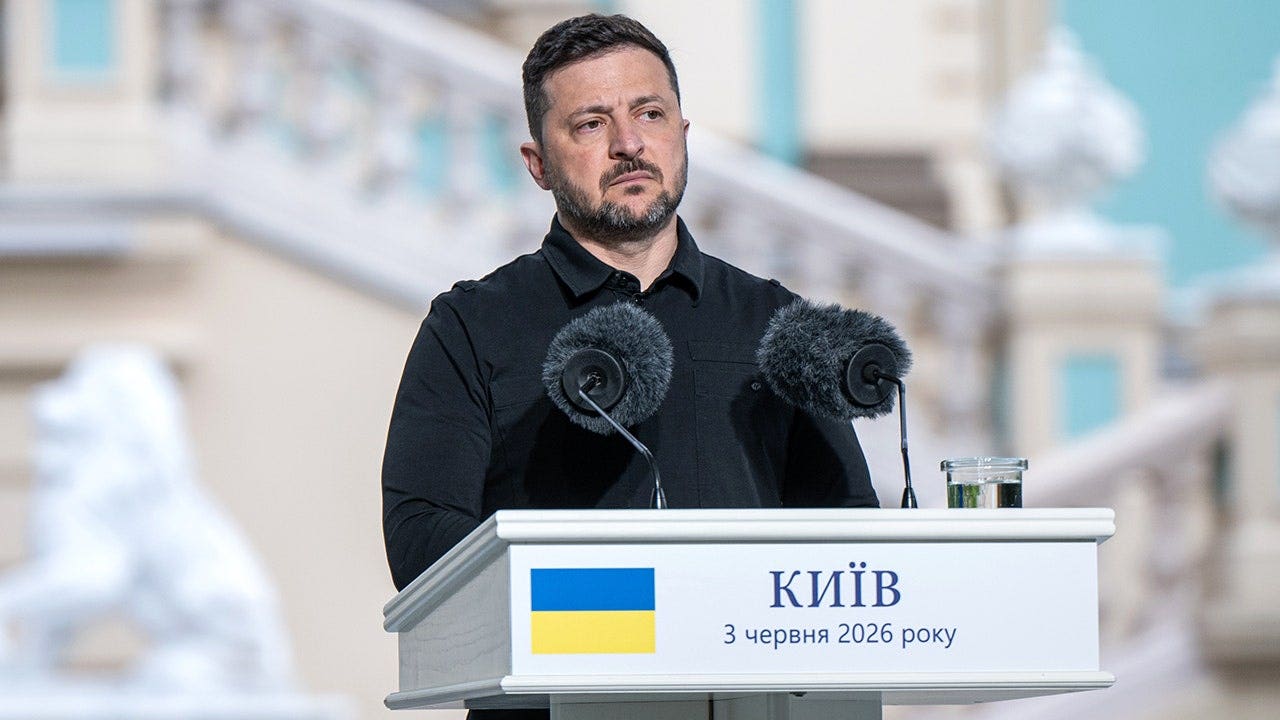
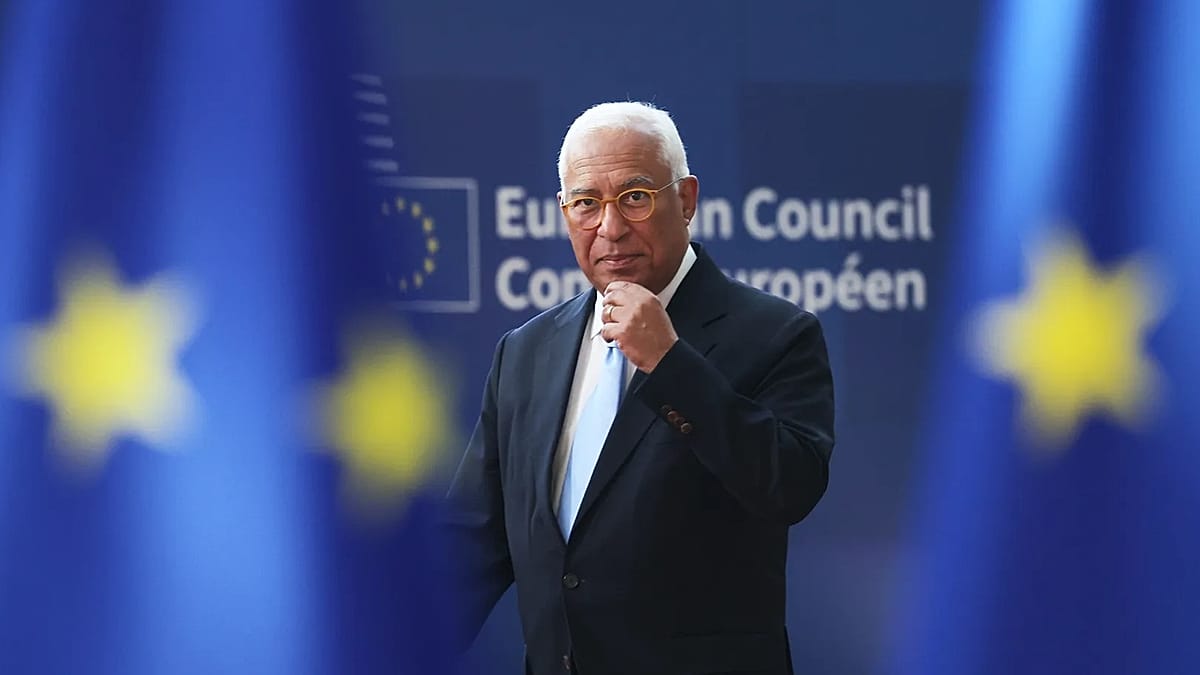
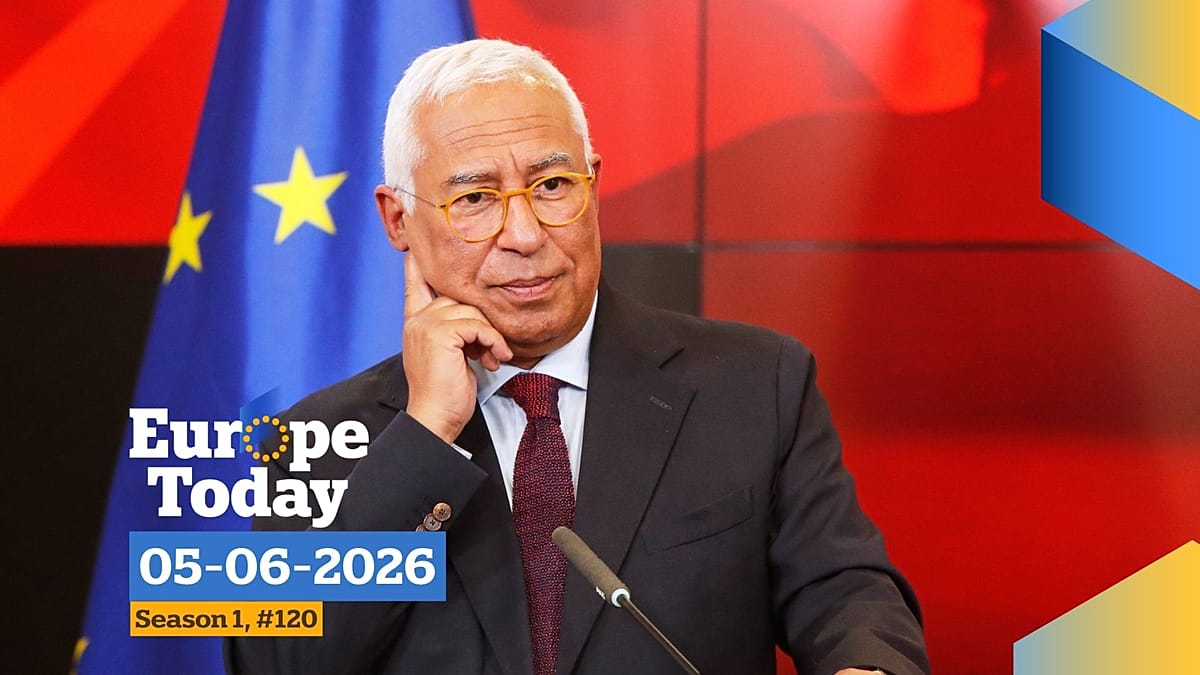
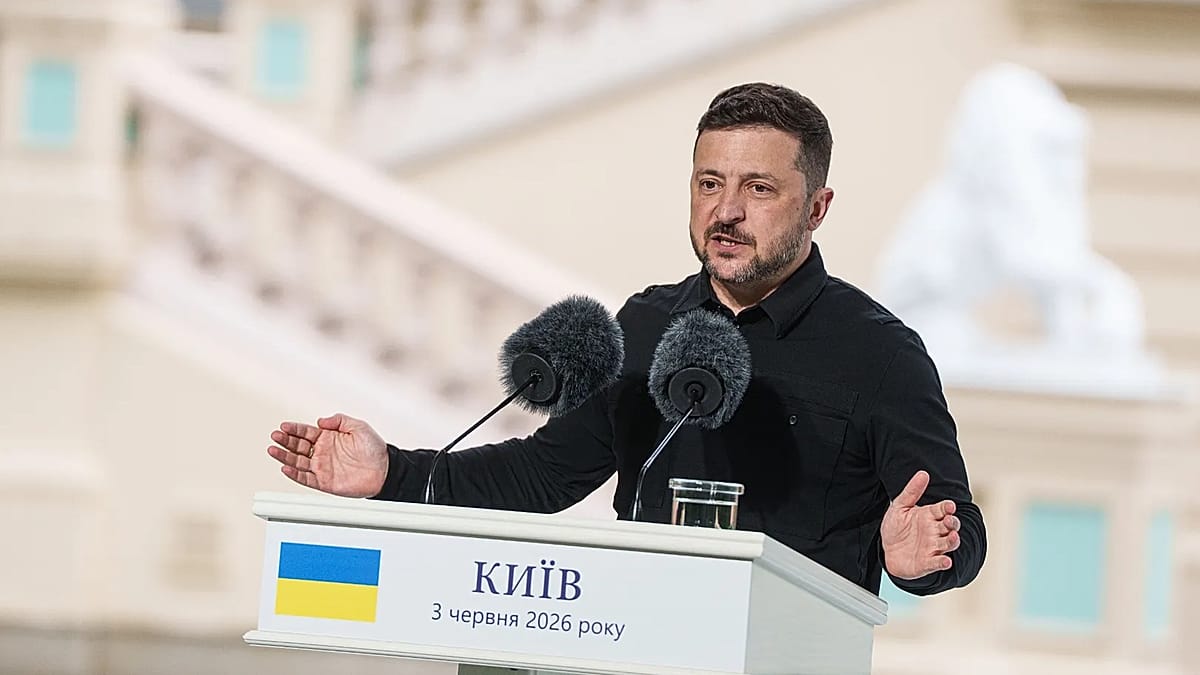
Ukraine is in a position to open and “immediately” close several chapters of the accession process after the lifting of Hungary’s two-year-long veto, António Costa, the president of the European Council, told Euronews in an exclusive interview.
ADVERTISEMENT

ADVERTISEMENT
“Fortunately, we didn’t lose time during this period” of paralysis,” he said, referencing a three-year long impasse on Ukraine’s membership aspirations under former Hungarian Prime Minister Viktor Orbán, who vowed to veto its entry.
Speaking on the sidelines of the EU-Western Balkans summit in Tivat, Montenegro, Costa said technical work carried out on the margins means Ukraine has pushed through reforms independently of the veto. “We are very advanced,” he told Euronews.
Costa also welcomed what he described as a “positive change in attitude” from new Prime Minister Péter Magyar following a major breakthrough this week with Budapest lifting its veto on Ukraine after securing a bilateral deal with Ukraine over minority rights in the Transcarpathian region after weeks of intense negotiations.
“I think it’s very important, first of all, for the bilateral relations between Hungary and Ukraine,” Costa said, suggesting the country-to-country difficulties should not impact the overall accession process with the EU institutions.
“It’s very positive that Prime Minister Magyar gave this clear sign that (he is) now leading with a new government, with a new policy in Hungary and with a new attitude of Hungary in the European Union,” he added.
Since Kyiv and Brussels have spent months working informally to advance the legislation, “I believe that it’s possible to open and at the same time close immediately several chapters because they have already done what they need to do to close the chapters,” he added.
If things go according to plan, Ukraine and Moldova, which until now have been treated as twin bids, will open the first cluster of negotiations, known as “fundamentals”, on 15 June. This cluster encompasses human rights, the rule of law, the judiciary and public procurement.
Aspiring countries must complete a difficult process of internal reforms overseen by the Commission. In total, the accession process comprises 33 chapters, split into six thematic clusters, creating multiple opportunities for member states to impose vetoes.
In his interview, Costa expressed support for a reformed methodology.
“Personally, I believe that we don’t need to have unanimity to open chapters and clusters. We just need the unanimity to close chapters and clusters,” he said, noting that “bilateral issues” must be properly addressed to avoid blockages.
Ukraine is pushing to open all six clusters as soon as this month, but officials and diplomats in Brussels believe it will take longer, possibly stretching into September.
Ahead of the summit, Paris and Berlin called for a process of “structured gradual integration” to incentivise reforms for candidates in exchange for access to EU perks, including greater access to the European single market, on their way to full membership.
Read the full article here