





 Weather

The Trump administration on Monday announced it will impose a 50% tariff on certain Canadian imports, citing what officials called trade “discrimination” against American businesses.
The duties will take effect Aug. 19 under the Tariff Act of 1930 and target a range of Canadian goods, including certain food products, wearables, synthetic materials and industrial goods.
Officials said Canada’s current trade policies unfairly target three U.S. sectors — vehicle, dairy and alcohol exports — contributing to a significant decline in American sales while giving foreign competitors an advantage.
“I find that it is necessary and appropriate and in the public interest to impose an additional ad valorem duty of 50 percent on certain products of Canada,” a presidential proclamation said.
US DECIDES NOT TO RENEW USMCA TRADE PACT, WILL SEEK SEPARATE DEALS WITH CANADA, MEXICO
“The United States, U.S. businesses and workers, and U.S. commerce suffer from Canada’s discriminatory, unequal, and unreasonable tariff scheme.”
The administration framed the move as an effort to restore fair competition, protect U.S. manufacturers and workers, and pressure Canada to remove what it called restrictive surtaxes.
“By doing this, President Trump is leveling the playing field for crucial American exports motor vehicles, alcohol and dairy,” a senior administration official told FOX Business correspondent Edward Lawrence.
Among various products, the tariffs will apply to certain alcohol, paper and wood products, sports equipment, milk products, sugars, agricultural goods, chemicals, paints, cosmetics, synthetic materials, leather goods, clothing, footwear and electronics.
Senior administration officials told FOX Business that products such as wine, hockey sticks and cement will be affected, while energy, potash, fish and critical minerals will be exempt.
BESSENT LAYS OUT 5 PRINCIPLES GUIDING TRUMP ADMIN’S APPROACH TO ECONOMIC STATECRAFT
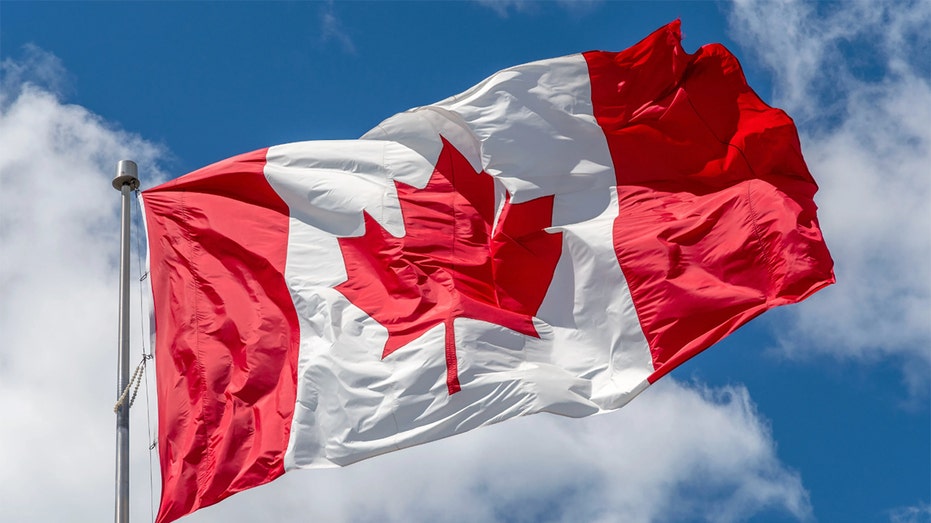
According to the presidential proclamations, Canada has maintained a 25% tariff scheme since April 9, 2025, targeting American-made motor vehicles and parts.
The administration also accused Canada of using a quota system that limits the number of U.S.-made vehicles allowed into the country tariff-free. Officials said the system further penalizes companies that move manufacturing jobs out of Canada and back to the U.S., effectively pressuring American companies to keep production north of the border.
“Canada also administers these quotas in a way that compels U.S. auto companies to invest in production in Canada instead of the United States,” a senior official said.
CANADA LIFTS TARIFFS ON SOME US GOODS TO RESUME TRADE TALKS
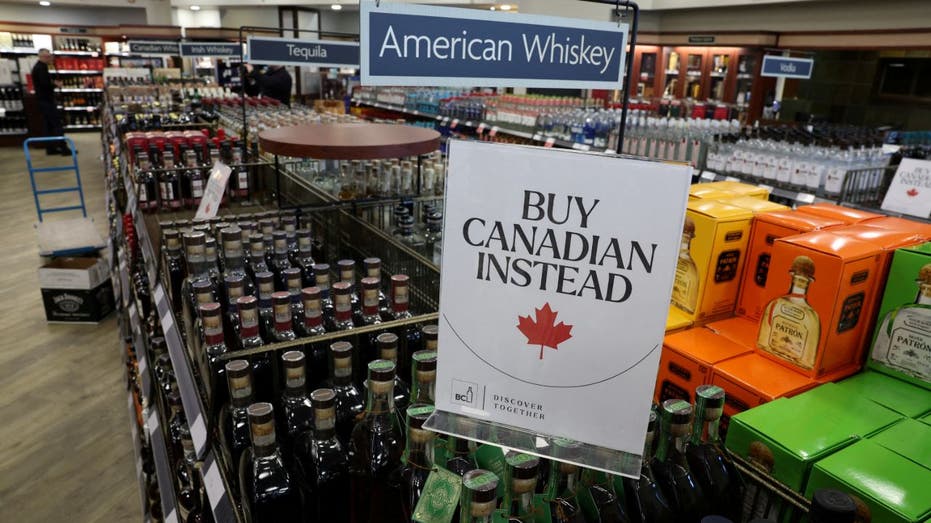
The White House said U.S. vehicle exports to Canada declined 22% in one year, falling from $25.9 billion to $20.3 billion.
Meanwhile, foreign competitors reportedly gained market share, with imports of Mexican-made vehicles into Canada increasing 23.6%, representing nearly $2 billion in additional sales. Imports from Japan, South Korea and Germany also increased between 10% and 13.5%, according to the administration.
The White House also pointed to Canadian restrictions on U.S. alcohol exports, saying sweeping bans on American alcoholic beverages began in March 2025.
Canadian imports of U.S. alcoholic beverages fell about 81%, dropping from $718 million to $137 million compared with the same period the previous year, officials said.
Imports from non-U.S. countries increased by more than $170 million, with the European Union accounting for more than $100 million of that growth, according to the White House.
For the dairy industry, the administration alleged Canada excluded U.S. retailers from accessing tariff-free quotas while allowing other countries to benefit.