


 Weather
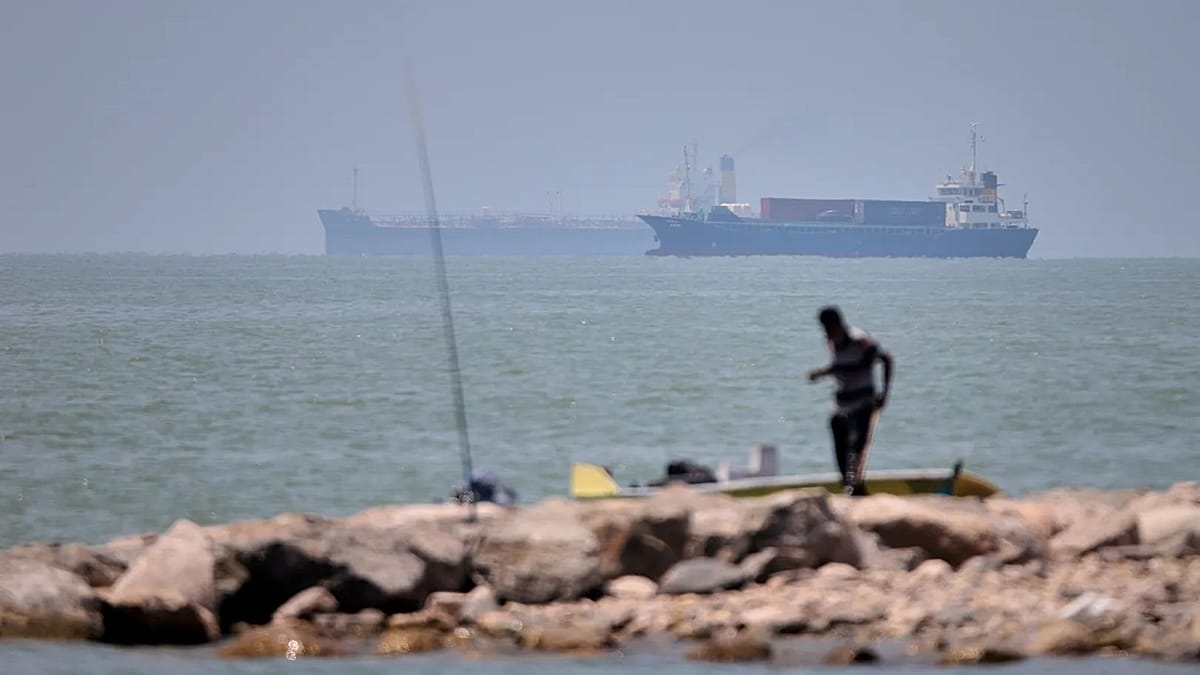
Even as the United States and Iran appear to have forged a deal to stop their hostilities, the global shipping industry is cautious about resuming operations in the Strait of Hormuz.
ADVERTISEMENT

ADVERTISEMENT
Sea mines, skyrocketing insurance premiums and a lack of confidence after prolonged military activity in the critical waterway will make the recovery effort as economic and political as operational.
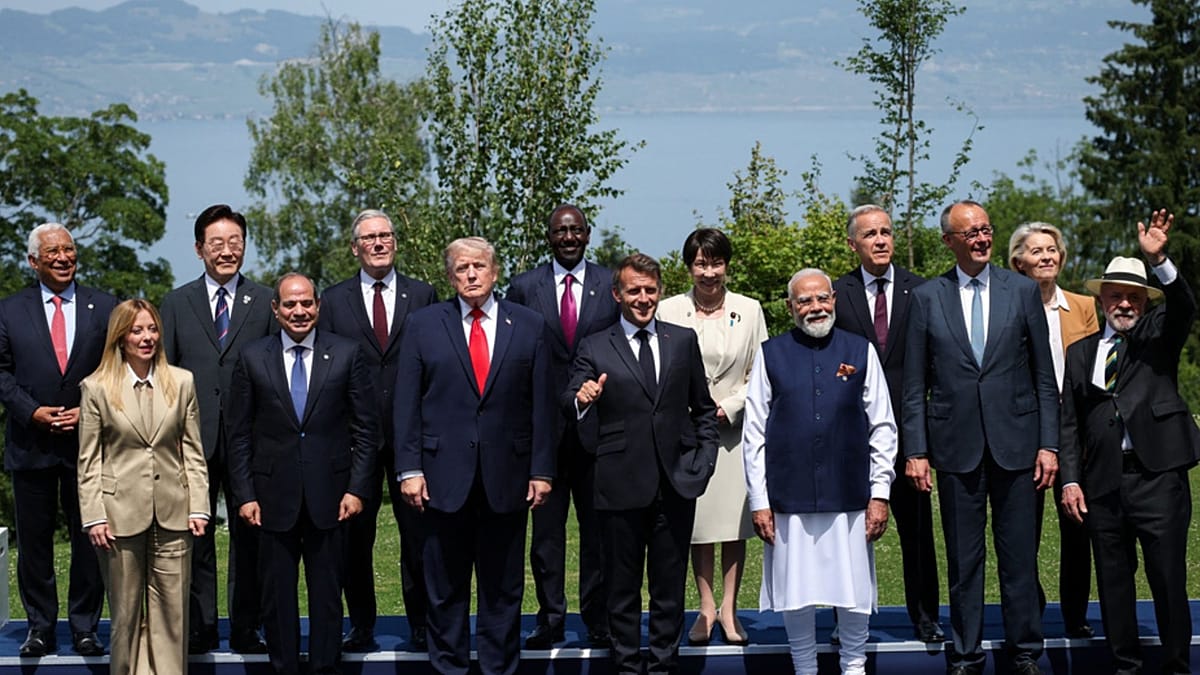
Shipping executives welcomed the peace framework unveiled by the US and Iran in Évian during the G7 summit, which is intended to fully reopen the strait over the course of 60 days. The agreement is due to be formally adopted on Friday in Switzerland.
The text of the deal published on Wednesday says the US will end its naval blockade and that Iran will use “its best efforts” to allow the safe passage of commercial vessels through the Strait of Hormuz without charge for 60 days. During that time, the US and Iran will continue talks on Tehran’s nuclear programme.
The Strait may reopen around 19 June – but the reality of allowing ships to resume navigation is highly complicated. According to energy intelligence firm Kpler, investors expecting a swift return to normal should prepare for a much slower and more uneven recovery.
“Expect the recovery to come in steps, not a straight line, with meaningful divergence across countries and products well into 2027,” reads a Kpler analysis.
And after more than three months of nearly total paralysis of maritime activity in the strait, which has driven soaring global energy prices and social instability, international shipping leaders agreed it will take “weeks or months” for normal operations to resume.
Restoring confidence
Jotaro Tamura, CEO of Mitsui OSK Lines, said that “just a simple agreement” between the US and Iran won’t restore the confidence the conflict has destroyed.
“Given the recent experiences in the last couple of months, I think it’s reasonable to assume that it may take at least a couple of weeks or if not a month,” said Tamura.
The Japanese executive leader said the agreement needs to be “material and translated into the real situations” in the Strait of Hormuz if shipping lines are to be reassured enough to resume operations.
Arsenio Dominguez, the secretary-general of the International Maritime Organisation, said earlier in the week that the agreement was an opportunity to advance its plan to evacuate the thousands of seafarers stranded in the area.
“Their courage and resilience in the face of prolonged uncertainty deserve the highest recognition,” said Dominguez.
More than 100 oil tankers currently trapped inside the Gulf are expected to rush through the waterway once passage is deemed safe.
But Maersk CEO Vincent Clerc said that normal shipping activity will have to wait until after a survey of strait to detect sea mines and map safe routes.
“We don’t know where there will be obstacles to navigation, especially given the volumes we expect and the sizes of our ships,” Clerc said, noting that it could take “a few weeks” for the full reality to become clear.
A spokesperson for the shipping line Hapag-Lloyd was more upbeat.
“After more than 15 weeks of the closure of the Strait of Hormuz, this is good news for us, for our crews, and for our customers. We hope that all remaining vessels will be able to cross the street of Hormuz still this week and await further information,” they said.
Roughly 118 laden tankers trapped inside the Gulf are ready to leave within 10–15 days, delivering an early spike in transits. But energy analysts warn that progress will be gradual, with transits building from about 15 to 40 a day over the first month as the question of Iranian influence is settled.
Who will call the shots?
Iranian Foreign Ministry spokesperson Esmaeil Baghaei said on Wednesday that traffic in the Strait of Hormuz will be restored to normal within a specific time window, but that Iran alone will conduct and manage the process.
“This is our own task, and we alone will do it, and there will be no need for participation or intervention from other parties,” said Baghaei.
Yet western nations have also been laying out plans to send vessels to escort ships in Hormuz.
A joint statement backed by 36 countries on the sidelines of the G7 hailed the “urgent re-opening” of the Strait of Hormuz with “unconditional and unrestricted freedom of navigation,” even as uncertainty remains over whether or not Iran will impose a toll.
“We are committed to playing our part to achieve this – in accordance with our respective constitutional requirements – including through a strictly defensive and independent mission to reassure commercial shipping and conduct mine clearance operations,” reads the statement, among whose signatories are 22 EU countries, as well as Canada, Japan and Australia.
The German government said on Wednesday evening that it is preparing for its armed forces to potentially take part in a mission to safeguard shipping in the strait, and Defence Minister Boris Pistorius said on Thursday that two naval vessels are already transiting the Suez Canal for a possible mine-clearing operation.
“As we speak, our minehunter ‘Fulda’ and the tender ‘Mosel’ are transiting the Suez Canal towards the Red Sea,” said Pistorius ahead of a meeting of NATO defence ministers in Brussels.
“We want to be able to act quickly when required and when it becomes a reality, and above all, to be in the Strait of Hormuz as quickly as possible.”
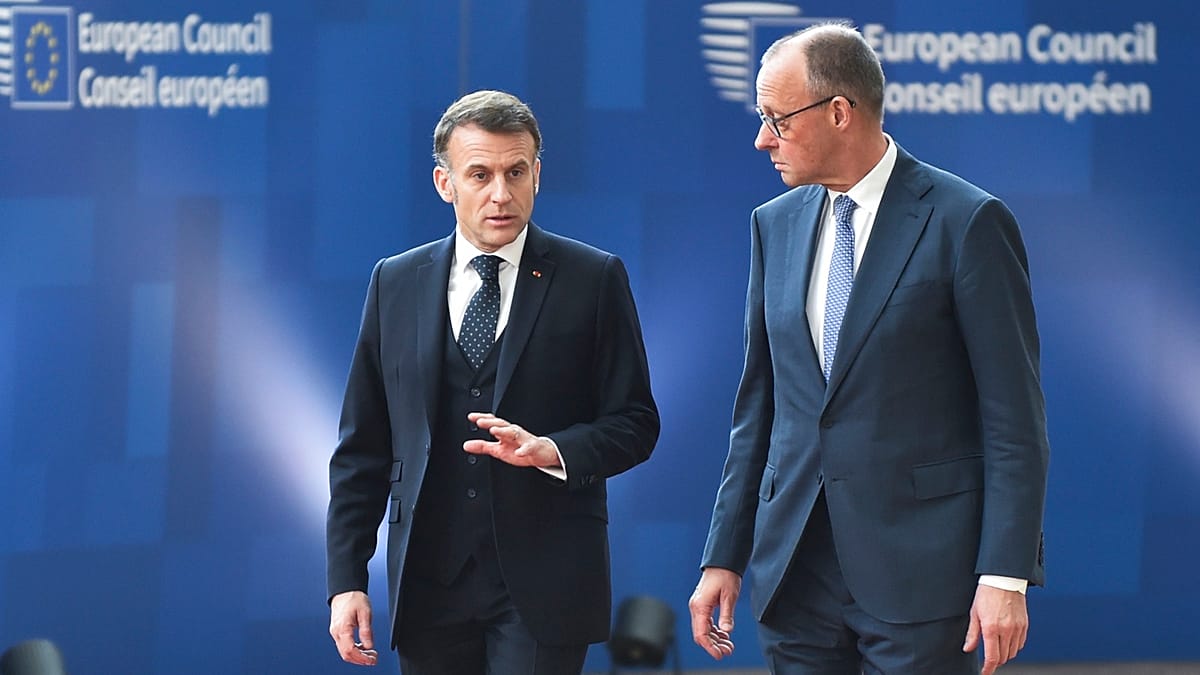
Just two days before, French President Emmanuel Macron said that France and its allies would be ready to deploy a naval mission “within days” to secure the Strait of Hormuz by escorting ships and clearing mines.
Read the full article here