


 Weather

Corporate secrets can be at risk when executives are targeted in so-called honeypot schemes, which can be aimed at divulging trade secrets or strategic plans and, in certain industries, national security information that could be of use to foreign adversaries.
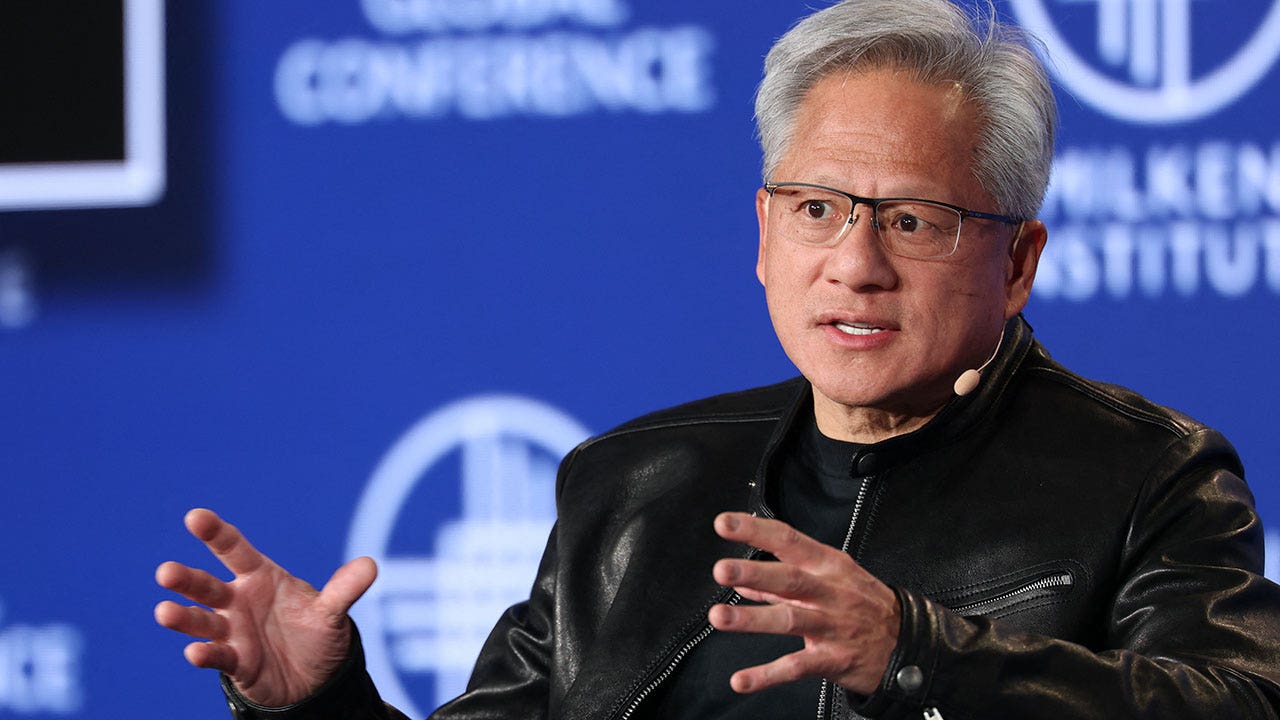
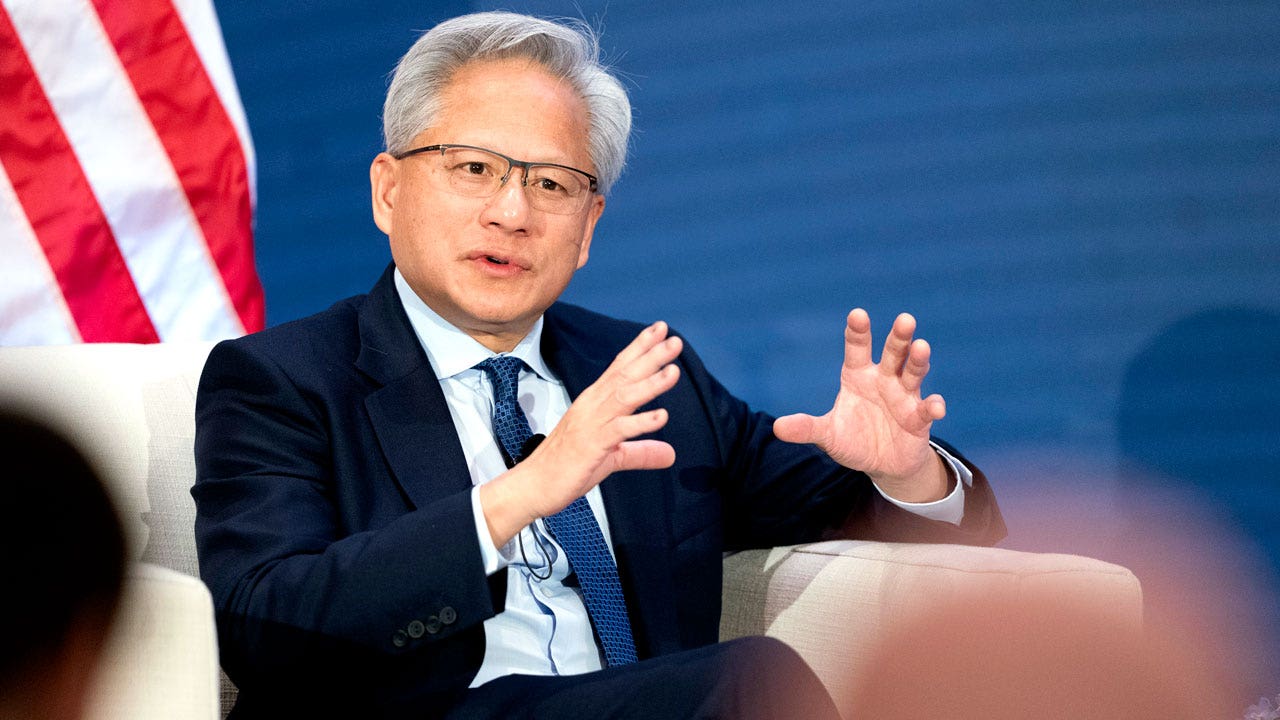
Nvidia CEO Jensen Huang on Sunday admitted to being unfaithful to his wife, which prompted the company’s board of directors to open an internal investigation into the matter because of reports he was targeted by an alleged Chinese spying operation. The board said the investigation will consider all available information, though it has “no reason to believe that either national security or Nvidia secrets were compromised.”
Ken Senser, chief strategy officer at Corporate Security Advisors, told FOX Business that “all kinds of sensitive information is at risk when relationships exist whose basis is really to compromise the executive.”
Senser said that while he doesn’t have specific insight into the Nvidia situation, the sort of information that could be at risk includes things like strategic plans, customer identities, product lines and designs, allocation and pricing of products, along with corporate discussions with the government.
NVIDIA SHARES FALL AFTER INVESTIGATION INTO CEO’S RELATIONSHIP WITH ALLEGED CHINESE SPY
He added that in extreme situations, such schemes can lead to coercion or blackmail with the threat of releasing compromising information if an executive doesn’t want to cooperate with those who targeted them.
“We recommend quite a bit of emphasis on general awareness and education for executives,” Senser said, adding that things like chance meetings or approaches from members of the opposite sex can have ulterior motives. “It’s always smart to do a bit of diligence or to ask somebody on your team to do a bit of diligence.”
“When there are ties, through work or nationality, to potential adversaries, there always needs to be a little more scrutiny given. And no matter who the individual is, even if they are not affiliated with an adversary, the executive needs to be reminded that sensitive information doesn’t get shared outside the strict confines of the company’s need to know and who has to deal with that information,” Senser said.
NVIDIA CEO JENSEN HUANG APOLOGIZES AS FIRM PROBES AFFAIR WITH ALLEGED SPY
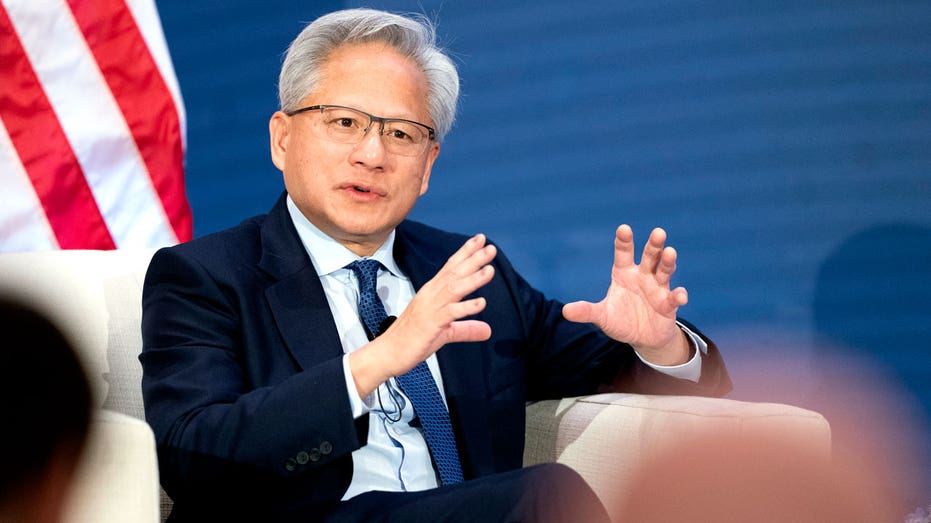
T.J. Marlin, CEO of Guardrail Technologies, told FOX Business that for “executives in AI and industries tied to national security, the exposure goes well beyond a stolen document. Insight into research priorities, customers or deployment plans tells an adversary where a company is heading, and sometimes where a country is heading. An influenced decision or a well-placed introduction carries strategic value on its own.”
Mark Trott, a San Francisco-based program manager for investigations at Concentric Advisors, told FOX Business that “Spy activity in San Francisco rivals, if not exceeds, Washington, because the secrets worth stealing have moved from the government labs to Silicon Valley.”
| Ticker | Security | Last | Change | Change % |
|---|---|---|---|---|
| NVDA | NVIDIA CORP. | 178.67 | -7.97 | -4.27% |
Trott said that “Spies rarely ask for secrets. They ask for opinions, complaints and advice, then let the target fill in the rest, which is why a sympathetic listener who loves hearing about your job struggles is a bigger red flag than a stranger in a bar.”
CHINA DENIES SPY PLOT TARGETING NVIDIA CEO JENSEN HUANG, CALLS ALLEGATIONS ‘SMEAR’
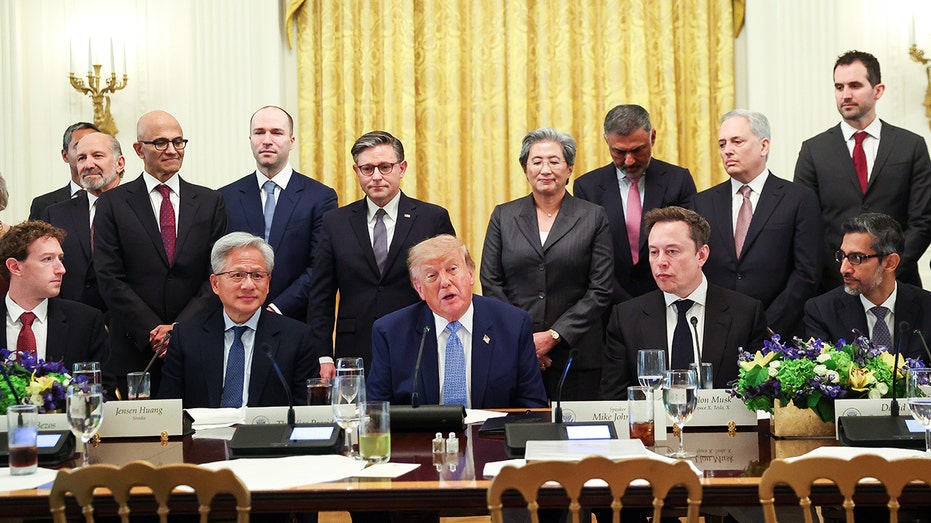
As companies consider frameworks to encourage reporting of suspicious encounters, Senser said that companies “need to create processes that are non-punitive” to encourage reporting by concerned individuals.
“Executives and others in the company need to feel comfortable coming forward when they have concerns about somebody approaching them or a conversation they may have had and feel like they’re not going to get their hand slapped for having a conversation when they’re doing the right thing in coming forward to voice that,” Senser explained.
CLICK HERE TO DOWNLOAD THE FOX NEWS APP
Trott added that the “best defense is not paranoia but a reporting culture. The employee who flags an odd approach on day one is worth more than any firewall, and companies should make that report easy and consequence-free.”