



 Weather
As an aside, you might notice a new look and feel to our newsletter from today. Good news: you can now also read Europe Today every morning in French, German, Italian, Portuguese and Spanish.
ADVERTISEMENT

ADVERTISEMENT
But first, some breaking news: Bulgarian Prime Minister Rumen Radev has said that two more ships have been hit by drones in the Black Sea, one of which sank. Ukraine has blamed previous such attacks on Russia, accusing Moscow of seeking to choke off Kyiv’s vital maritime export route. More.
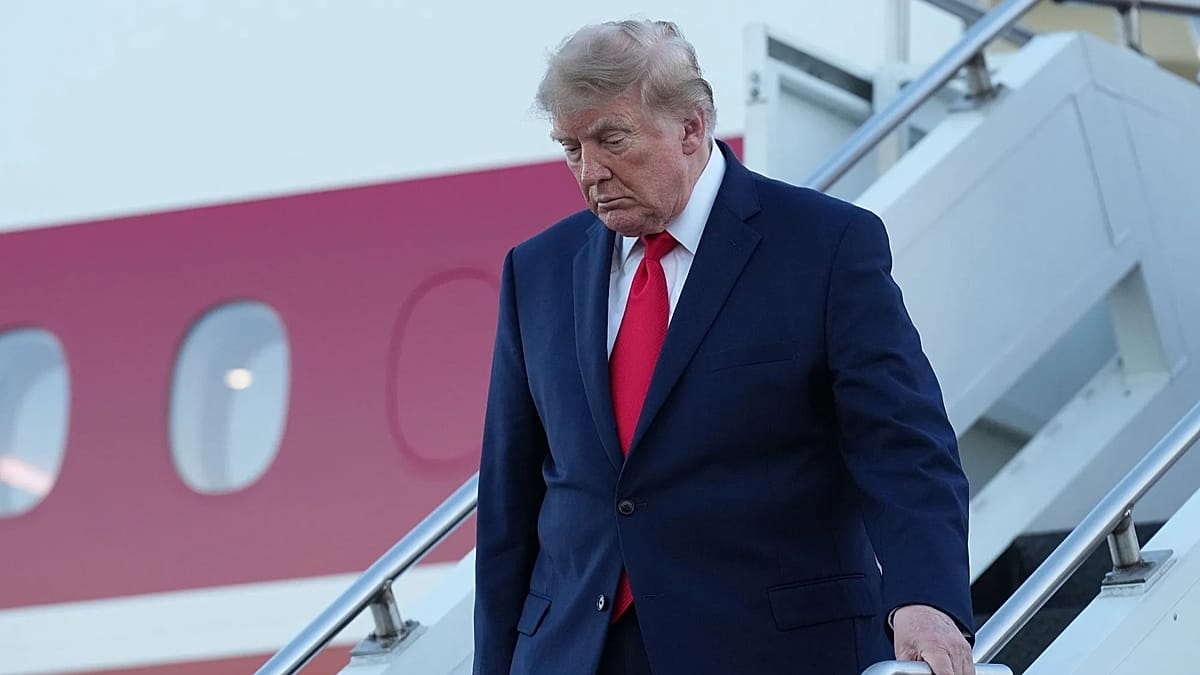
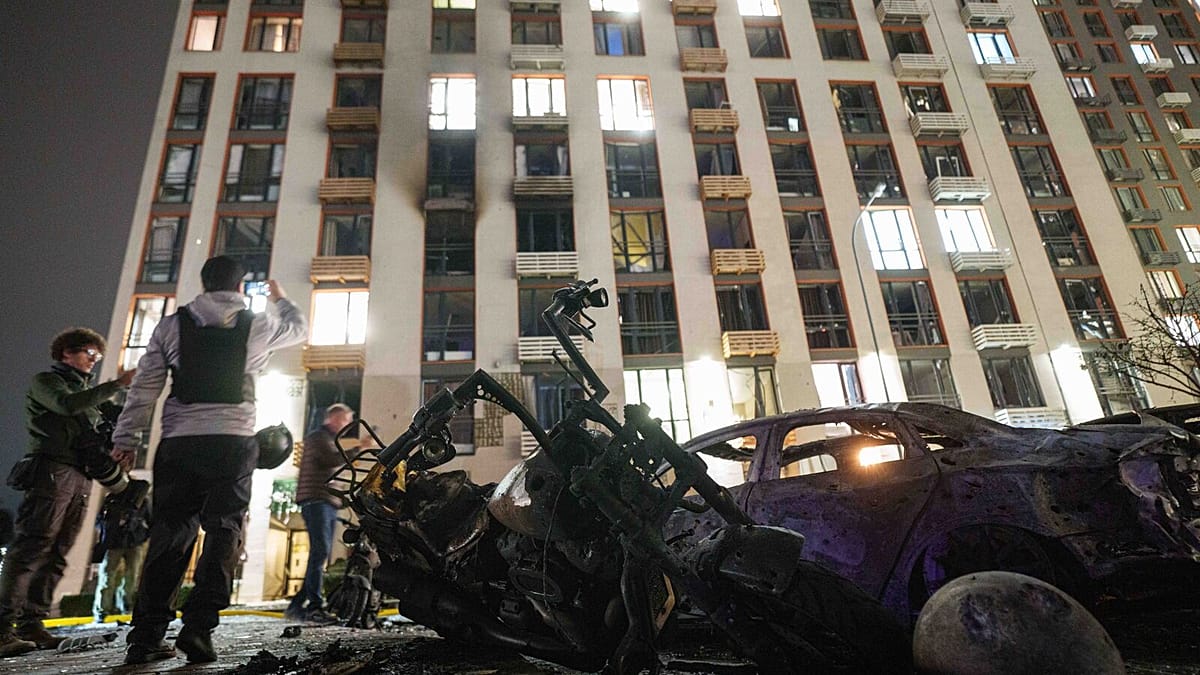
Ukraine under fire: There is little sign of the surprise energy truce announced on Sunday by US President Donald Trump taking hold, as Russia continues to pound Ukraine’s energy infrastructure and residential buildings, our Ukraine correspondent Sasha Vakulina reports.
Moscow has not confirmed it has agreed to halt strikes on energy facilities, while Kyiv says it was not consulted and only learned of the truce deal through the media. On Monday, President Volodymyr Zelenskyy said Russian forces had attacked six energy facilities across Ukraine that day alone.
Zelenskyy also reiterated that Ukraine is ready for an energy ceasefire, but that Russia must take steps towards “calm”. “America certainly has the strength and the means to ensure ‘silence’ – a genuine, reliable de-escalation and a genuine, reliable halt to Russia’s actions,” Zelenskyy said in his evening address on Monday.
In a development likely to unsettle Kyiv and European capitals, US media report that American officials floated the possibility of cutting off Kyiv’s access to US intelligence – critical for locating Russian missile launchers – and of suspending weapons deliveries through the NATO procurement scheme known as PURL during weekend talks in Miami.
Blindsided, yet again: Amid the mounting pressure on Zelenskyy, Europe is putting on a brave face and rallying behind Ukraine as it digests the implications of the Trump-Putin diesel deal agreed over the weekend, our correspondent Jorge Liboreiro writes.
“I think we need to be collectively serious. Today, I believe, we have no factual reason to change our position,” French President Emmanuel Macron said. German Chancellor Friedrich Merz said emulating the energy deal was “out of the question” for Europe, despite rising prices. “Russia will only negotiate seriously under pressure, and that is why we are sticking to our sanctions against Russia,” Merz said.
A similar message of resolve echoed through Luxembourg as EU foreign ministers met and insisted that the pressure campaign on Moscow would continue unabated. Their decision to add 1,600 people and entities to the sanctions list did nothing but accentuate the awkward EU-US split screen.
But not giving up: In Brussels, Jorge challenged the European Commission to say where it draws the red line when it comes to Trump’s unilateral decisions. “We will continue to engage with our partners and also with the US in bringing this war to a close,” the Commission’s chief spokesperson replied. Watch the exchange.
It seems that, for now, Europeans believe they have more to lose than to gain from breaking away from Trump. Retaining a seat at the table where Ukraine’s future as a sovereign state and Europe’s security architecture will be decided takes precedence over any diplomatic slight, however pointed or public, Jorge writes in his analysis.
France braced for fresh protests: Meanwhile, France is set to face another day of student- and trade union-backed protests, following tense clashes between demonstrators and police across the country last week.
The French education ministry said on Monday that although the number of school closures is falling, the “violence is intensifying”, amid signs that the initially peaceful protests are giving way to more violent unrest. President Emmanuel Macron has urged “restraint”, saying the issues at hand require “time, consultations, discussion, and respect”.
What began as student-led protests now appears to have tapped into a wider well of social discontent, with another demonstration against the rising cost of living planned for Saturday.
Mark your calendars: In other news, the much-anticipated UK-EU summit will take place in Brussels on November 20, both sides confirmed on Monday, four months after it was postponed amid political turmoil in London.
Prime Minister Andy Burnham on Monday listed a raft of areas in which he hopes to make progress, adding that he would again raise his well-known concerns about the EU’s Made in Europe industrial policy, which risks shutting out UK firms from European value chains.
Drawing a line under ‘decade of drift’: But he also went further and said that the UK’s chances of securing a better deal with Brussels “will be enhanced by our openness to a discussion about our relationship with the EU in the longer term.”
“Sticking with the status quo is not good enough for Britain. It would be a major dereliction of duty to turn away,” Burnham said, adding that he is looking to “set up a serious dialogue” with Brussels about the longer-term relationship in order to draw a line under “a decade of drift and division”. Nathan Rennolds has more.
NATO commander unveils strategy to make any attack on alliance ‘utterly futile’
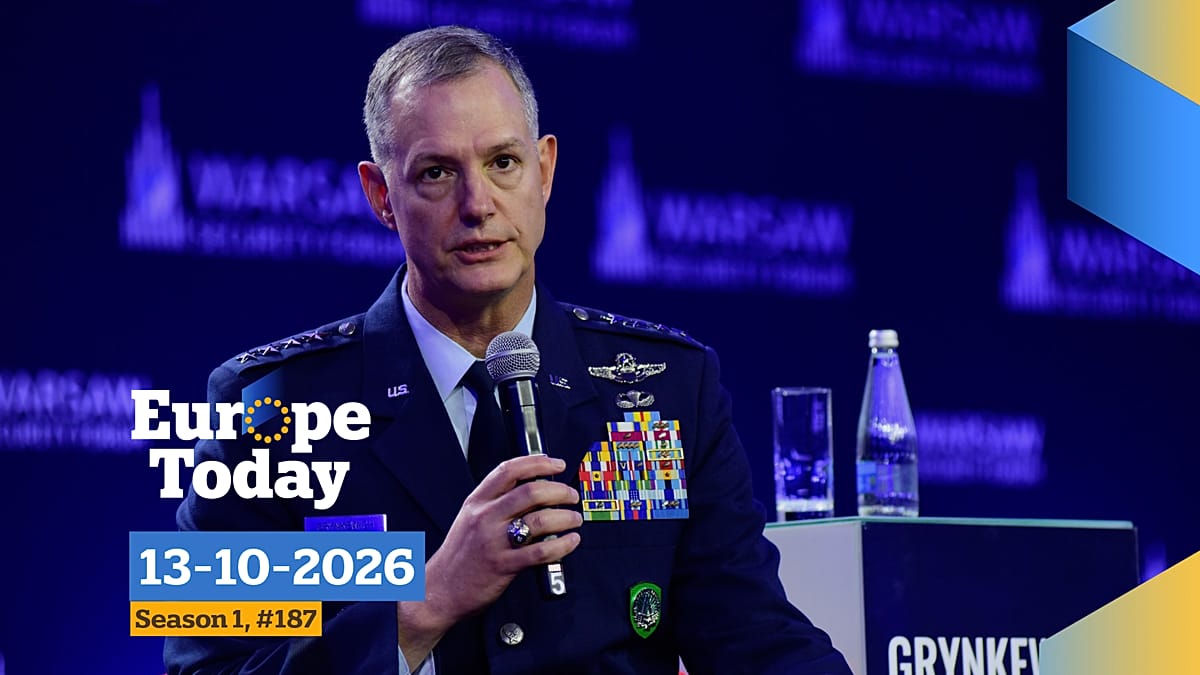
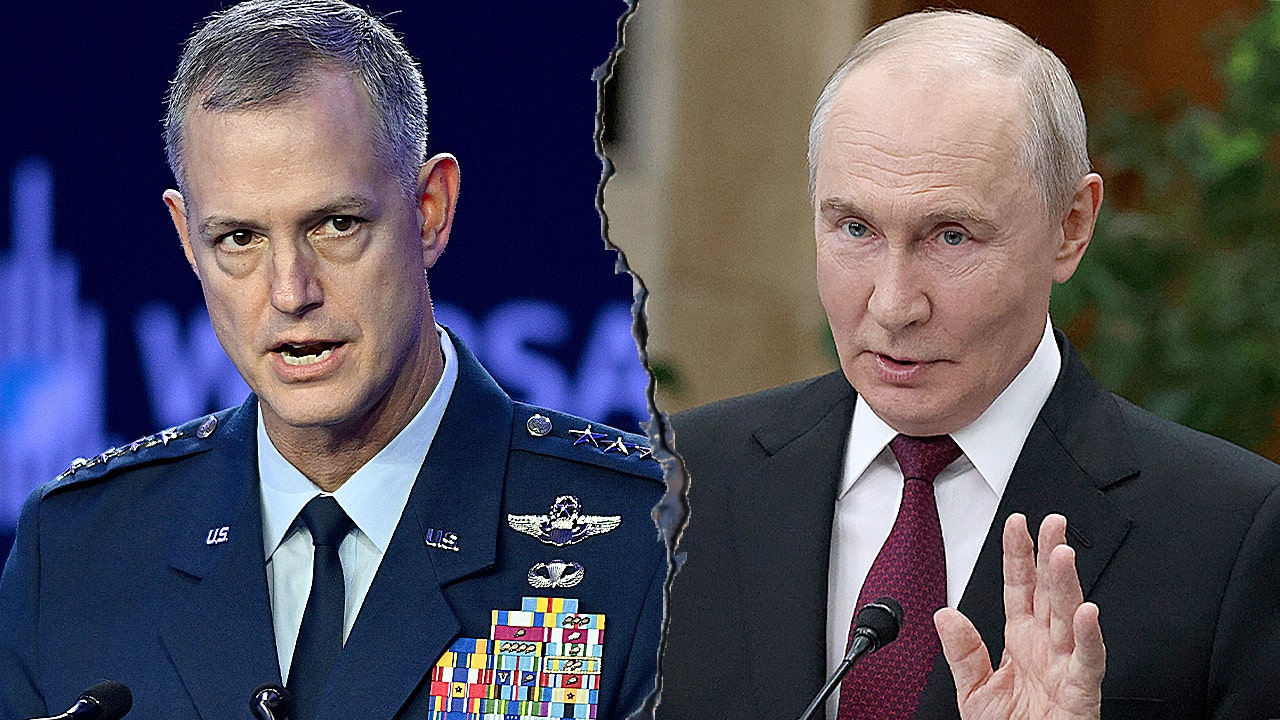
In a stand-out moment at the Warsaw Security Conference on Monday, NATO’s Supreme Allied Commander Europe (SACEUR) Alexus Grynkewich unveiled a new defence strategy named the Theory of Victory, designed to “block blunt and break” any attempted attack on the military alliance.
“If attacked, we are ready to fight tonight,” Grynkewich told the audience in the Polish capital, which broke into applause. “We will continue to prepare and rehearse each and every day, so we will be more ready tomorrow, and even more ready the day after that.”
According to NATO officials, the battle plan involves the use of capabilities from across the alliance, including traditional fighting methods such as frontline ground forces as well as military aircraft, our NATO correspondent Shona Murray reports.
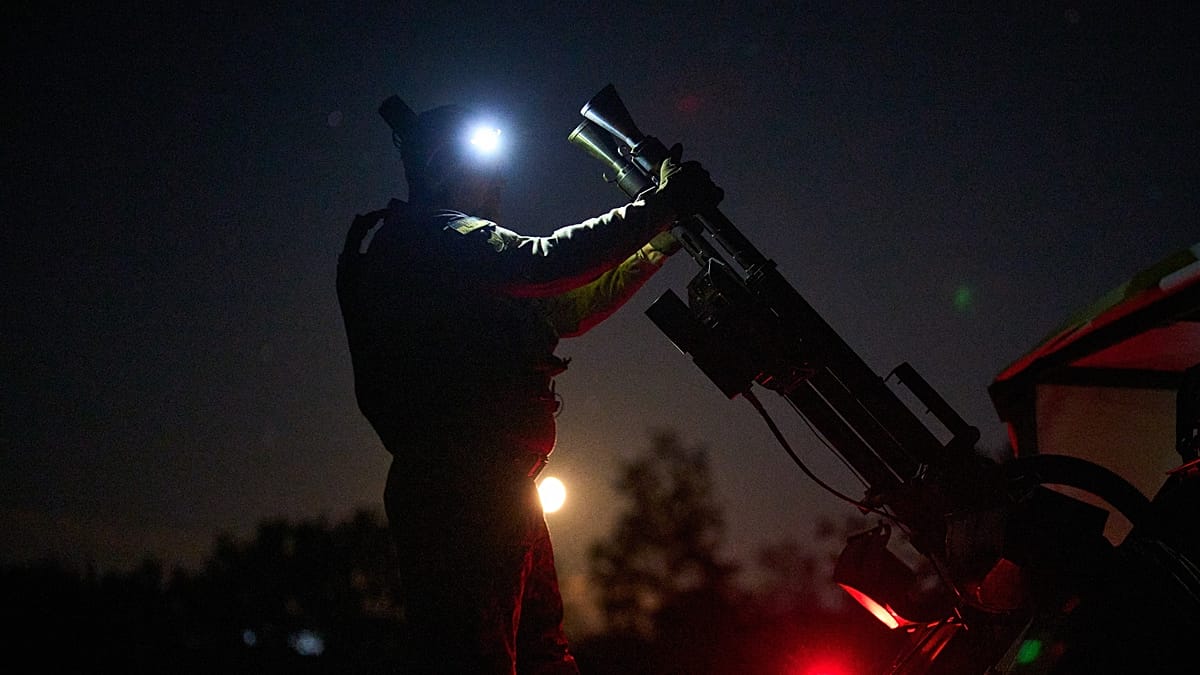
Key to the plan is how NATO’s militaries can respond in a cost-effective way to current warfare techniques such as drones which are frequently used as part of Russia’s hybrid/shadow war in the Baltics and beyond.
“Given the unsettled and complex global security environment, we need to set conditions now to deter aggression and, if necessary, win if attacked,” spokesperson for SACEUR, Col. Martin O’Donnell, said in a statement to Euronews.
Shona has more.
More from our newsrooms
EU struggles to ramp up Red Sea mission as Houthis escalate attacks. The EU and Italy are pushing member states to bolster the Aspides naval mission in the Red Sea, but only two more warships have been pledged, exposing Europe’s thin defence capabilities as the Houthis threaten energy supply routes, Luca Bertuzzi reports.
EU-China trade deal raises fears Brussels will go soft on Beijing. The EU’s new trade deal with China has eased fears of an escalating trade war, but it could also weaken the political momentum behind Brussels’ plans to take a tougher stance against Beijing’s economic practices, my colleague Peggy Corlin writes in this analysis.
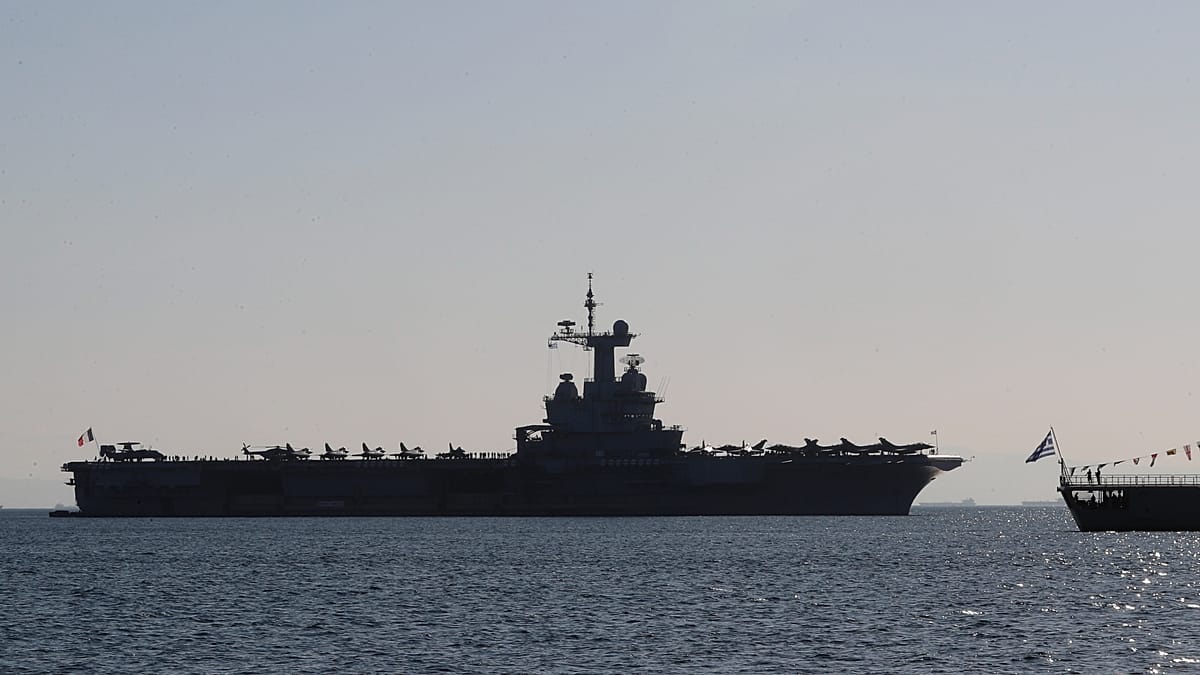
French navy intercepts and boards ‘shadow fleet’ ship, Macron says. The French President announced on Monday that the navy had intercepted and boarded an oil tanker suspected of being involved in illegal fuel-trafficking activities off the coast of La Réunion. Ukraine’s Main Directorate of Intelligence says the tanker is involved in the transportation of Russian crude oil and that it is associated with the Sovcomflot shipping firm. Nathan Rennolds has the details.
We’re also keeping an eye on
- EU affairs ministers gather for talks in Luxembourg.
- Warsaw Security Conference continues; speakers include UK Foreign Secretary Ed Miliband, Polish Foreign Minister Radosław Sikorski, and German Foreign Minister Johann Wadepul.
- European Commissioner for Climate Wopke Hoekstra is in Paris, meets Economy Minister Roland Lescure.
- European Commissioner for Trade Maroš Šefčovič to co-chair a high-level dialogue on trade between the EU and Turkey.
- European Commissioner for Migration Magnus Brunner is in Pakistan.
- The European People’s Party group’s meeting continues in Taormina, Italy. European Parliament President Roberta Metsola and Italy’s Foreign Minister Antonio Tajani are set to take the floor, before MEPs split into different working groups.
That’s it for today. Sasha Vakulina, Jorge Liboreiro and Vincenzo Genovese contributed to this newsletter. We’ll be back tomorrow.
Read the full article here