



 Weather
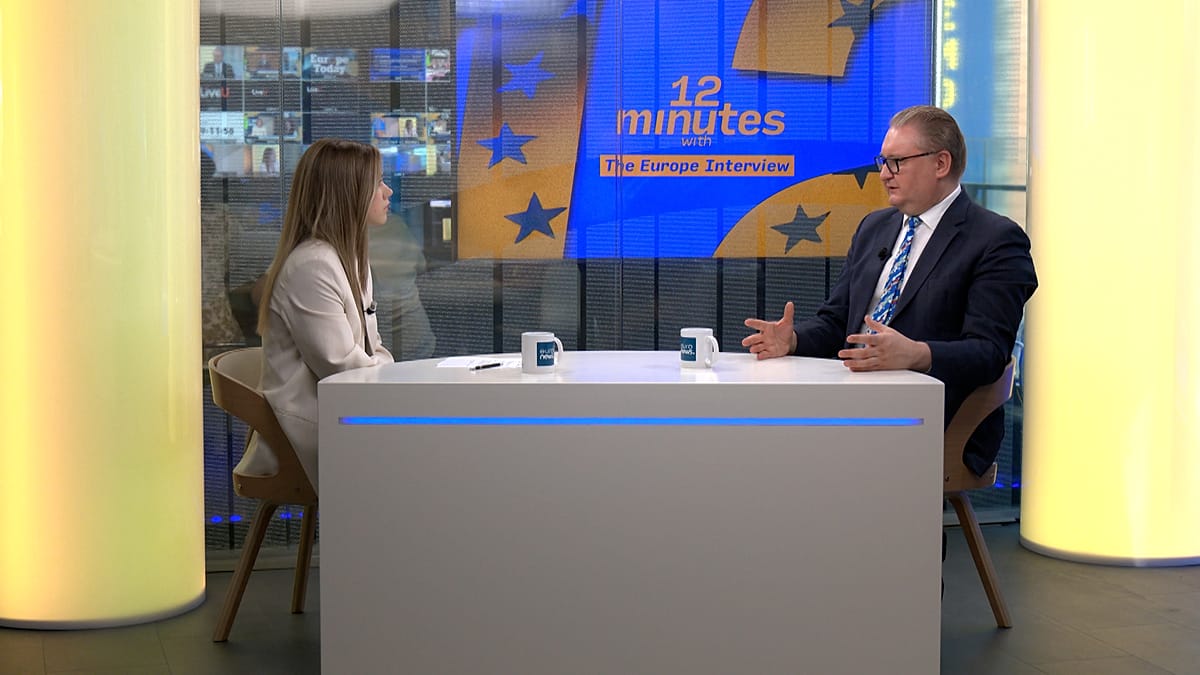
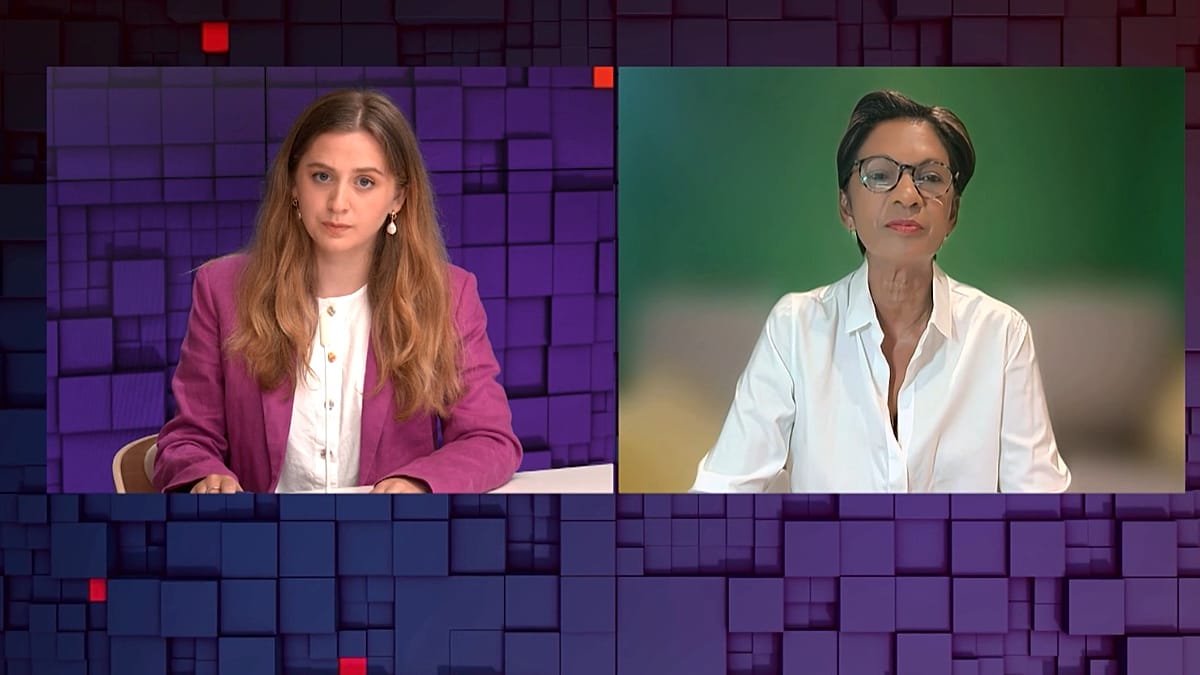
For Kyiv, “there are no alternatives for the fast, merit-based, but full membership in the European Union,” Taras Kachka, Deputy Prime Minister of Ukraine for European and Euro-Atlantic Integration, said in an exclusive interview with Euronews.
ADVERTISEMENT

ADVERTISEMENT
Earlier this month, German Chancellor Friedrich Merz pitched the idea that Ukraine could become an “associate member” of the EU before becoming a fully-fledged member state.
Kachka rejected the idea, calling it “unacceptable if it is an alternative to full membership.”
He stated that Ukraine needs a “fast, comprehensive, normal accession process that will end with the signing of a treaty of accession under Article 49 of the Treaty of the European Union.”
Everything else, he said, “doesn’t matter.”
Ukraine’s accession timeline
In a renewed effort to speed up its EU accession process, Kyiv is calling on Brussels to open all of Ukraine’s negotiation clusters in June this year, ahead of the previously indicated July timeline.
“We believe that all six clusters can be open already in June,” Kachka told Euronews on Tuesday. “Our timeline is that we are already behind the deadline.”
Kachka’s remarks come after European Commissioner for Enlargement Marta Kos said the first negotiation cluster could be opened in June during Cyprus’ rotating EU presidency, with the remaining five to follow by July once Ireland takes over the role.
Negotiation clusters are tied to key reform areas required to align with EU standards, ranging from the rule of law to judicial reform.
Each set of benchmarks must be met by a candidate country, with final approval requiring unanimous agreement from all 27 EU member states.
Kachka insisted that Ukraine had already completed the necessary groundwork, meaning the formal opening of the accession clusters would not mark a fresh start for the country.
“So everything is already done, that’s why we’re already behind schedule,” the deputy prime minister said.
Kachka added that there is “a certain prejudice” toward Ukraine regarding the timing and circumstances of the country’s start of its EU accession process.
“For Ukraine, it started like 15 years ago, or even earlier, when we negotiated the association agreement,” he said. “All the benchmarks that are already defined by the European Union are easily implemented in the forthcoming 12 to 18 months.”
Ukraine’s accession steps had been blocked by a Hungarian veto for a long time, which Kyiv now hopes will be lifted under the leadership of the new Hungarian prime minister, Péter Magyar.
Hungary ‘will not block anything’
After years of difficult relations, Hungary and Ukraine have started consultations on the rights of the Hungarian minority in the war-torn country, a longstanding point of contention between the two countries and a major reason behind Budapest’s veto of Kyiv’s EU accession bid.
Kachka insisted that “Ukraine treats the Hungarian community in Ukraine with full respect.”
“For us, they are an absolutely integral part of Ukrainian society, with all respect to their national identity,” he said.
“We have almost 100 schools for Hungarians satisfying all demands. So that means that literally every pupil, every child in Ukraine who wants to learn in Hungarian or to learn the Hungarian language while studying in Ukrainian has this possibility to do.”
Kachka said that Kyiv is now presenting Budapest the same offer to move forward as it previously offered to former Prime Minister Viktor Orbán: “to fine-tune the legislation for everyone to be aware that this incredibly good atmosphere will not change.”
But Budapest shouldn’t wait longer to lift its veto on Ukraine’s accession, Kachka suggested, explaining that “the dialogue on national minorities between Ukraine and Hungary will last permanently.”
Could other countries impose vetoes?
While the Hungarian veto on Ukraine’s EU accession might be lifted sooner rather than later, there are concerns that other member states might block Kyiv’s next steps.
One of these countries could be Poland.
“There is no big secret that Polish agriculture treats Ukrainian agriculture as competition,” Kachka said on Tuesday.
He explained that Kyiv is already engaged in consultations with Warsaw, but also other capitals, about any possible sector-specific issues.
“We see no intention to block the opening of the clusters, but we see the good faith will to find a solution for these sensitive and complicated topics with Poland and our neighbours and with other member states as well, but this one will be the most delicate.”
Read the full article here