





 Weather
Perhaps you can’t teach an old dog new tricks, but you can learn a new skill, or two, while on holiday. And it seems more and more travellers in Europe are seeking exactly that this summer.
ADVERTISEMENT

ADVERTISEMENT
In a survey of more than 27,000 holidaymakers across 28 European countries, Mastercard found that almost half of participants, 48%, have their eyes set on learning a new skill as part of their travel plans.
Further, 42% of European tourists are happy to pay more for a trip where they can learn something new and will seek local providers that can offer authentic experiences.
Among the 28 countries surveyed – including travellers from Austria, France, the UK, Italy, Portugal and Switzerland – more than a third, 37%, had already booked a skill-based trip, which has been coined as a “skilliday” by the payment card company.
Gen Z are leading this trend, with 57% of 18- to 24-year-olds already planning a skill-based trip this holiday season. This figure drops slightly among Gen Z’s older counterparts at 52% of 24- to 34-year-olds following suit.
According to Mastercard’s findings, 51% also said learning something new while away makes the trip that much more meaningful, with 48% saying the skills they learn are more valuable than the souvenirs they bring home.
“Today’s tourists are looking for travel experiences that leave a lasting impression, helping them to create memories, and increasingly, muscle memories,” said Natalia Lechmanova, chief economist, Europe at the Mastercard Economics Institute.
“This also reflects a broader shift in how people value their money. Spending on experiences has proven more resilient than spending on goods, and skill-based trips sit right at the high-value end of that.
“Skill-based travel tends to draw people beyond the crowded hotspots and into smaller towns, rural areas and quieter seasons, helping to spread tourism’s benefits more evenly.”
What are the skills Europeans want to learn while abroad in 2026?
- Basic phrases and conversation in a new language – 30%
- Culinary skills and cooking workshops with local chefs – 28%
- Food and drink production, including cheesemaking – 28%
- Wellness and movement, including meditation and martial arts – 25%
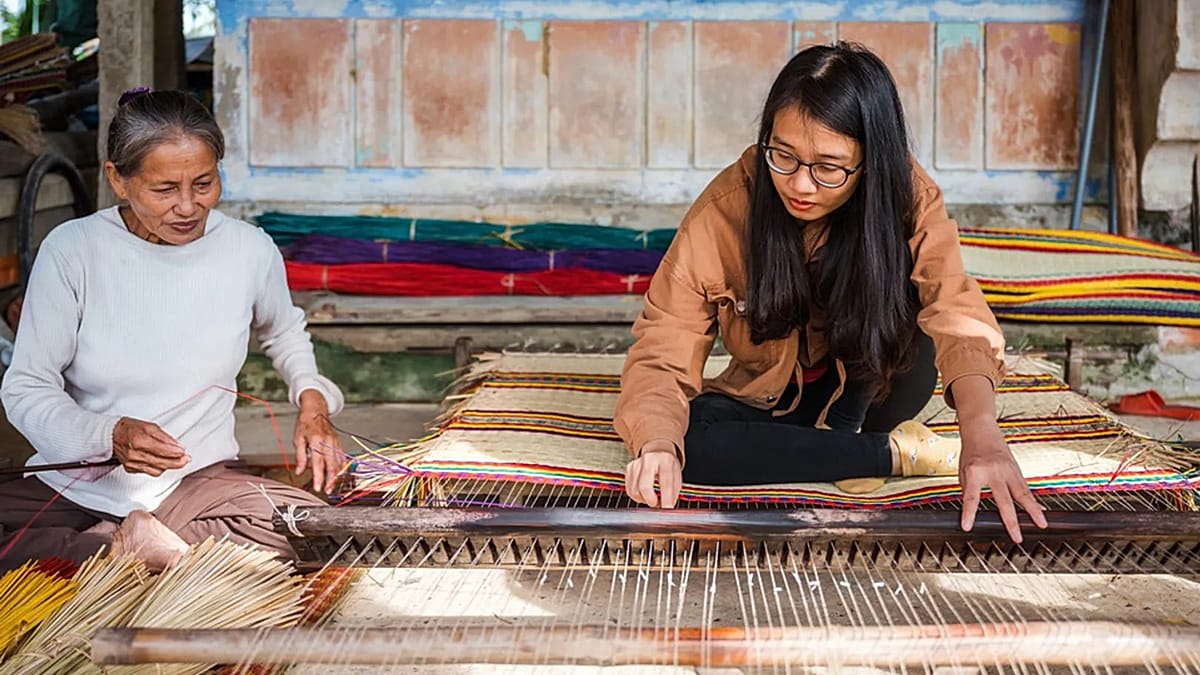
- Traditional crafts, including weaving, woodworking and textiles – 24%
- Creative arts, including photography, painting and writing – 23%
- Sports, including skiing, surfing and hiking – 19%
- Outdoor and survival skills, including foraging, navigation and bushcraft – 18%
- Heritage crafts and traditional techniques – 14%
- Sustainable living skills, including permaculture and conservation – 13%
Who wants to do what?
Mastercard’s survey also took a closer look at how the “skilliday” trend plays out differently for travellers across the continent.
While learning a language was most popular among Serbians at 45%, Romanians were found to be the most passionate about food, with 41% eager to take a cooking class abroad. Travellers from Sweden also have a keen interest in food production, with 37% expressing interest.
Wellness and movement-based experiences, such as yoga, meditation and dance, proved important for Slovenians at 35%, while 31% of Italian respondents wanted to learn traditional crafts, such as pottery, weaving and woodworking.
Developing creative arts skills in fields such as photography, painting and writing was equally popular among Croatians and Serbians at 31%.
The global payments platform also found Ukrainians to be the most fitness-minded travellers, with 28% looking to develop a new athletic skill.
Read the full article here