




 Weather

Mazda’s CX-90 is under federal investigation by the National Highway Traffic Safety Administration after a recent recall may have failed to fix a steering issue.
The NHTSA launched its investigation after receiving 26 reports of sudden changes in steering difficulty, a phenomenon it describes as “sticky steering.” Mazda had issued a recall of 44,000 CX-90s in January 2024 in hopes to fix similar steering issues.
The NHTSA says each of the 26 reports were from vehicles that had undergone the initial recall maintenance. The issue has been connected to at least two crashes.
“After receiving the recall 24V022 remedy, consumers report sudden increases of steering effort while driving. Sudden and unexpected change of steering effort while driving may increase the risk of a crash,” the NHTSA wrote in its announcement.
ARMY HELICOPTER THAT CRASHED WITH COMMERCIAL PLANE IN DC WAS FLYING ABOVE ALTITUDE LIMIT: NTSB
News of the investigation comes after Toyota recalled over 160,000 pickup trucks last week, citing a software defect that can prevent the rearview camera image from displaying.
TOYOTA RECALLS OVER 443,000 TRUCKS FOR POTENTIAL REVERSE LIGHT FAILURE
The recall affects certain 2024 and 2025 Toyota Tundra and Tundra Hybrid models equipped with the automaker’s panoramic view monitor (PVM) system, the NHTSA said in a notice issued Friday.
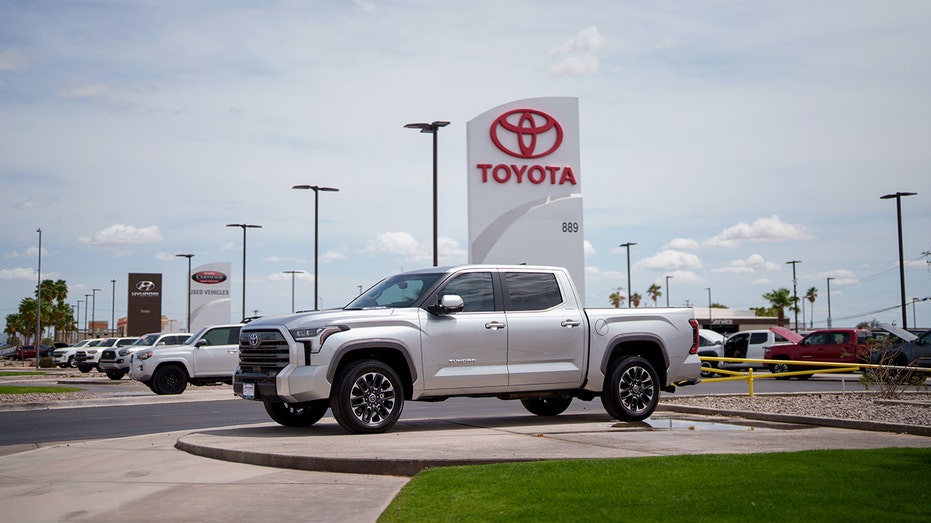
“A rearview camera image that does not display reduces the driver’s view behind the vehicle, increasing the risk of a crash,” NHTSA noted.
Of the 161,268 vehicles included in the recall, regulators estimate 100% contain the defect.
The affected models include about 61,501 Tundra Hybrid trucks from the 2024–2025 model years, built between Aug. 17, 2023, and June 17, 2025.
Read the full NHTSA announcement below (App users click here)
The recall also covers approximately 99,767 non-hybrid 2024–2025 Tundra pickups produced between Aug. 8, 2023, and June 19, 2025.
Hyundai is similarly recalling is similarly recalling hundreds of thousands of Palisade sports utility vehicles because the airbags might not properly deploy, according to NHTSA.