




 Weather

Published on
Hungarian Prime Minister-elect Péter Magyar said at his first press conference after winning the 12 April election that the country will continue purchasing Russian energy and prioritise the cheapest available oil, a stance that appears to contrast with his campaign pledge to phase out Russian energy imports by 2035.
ADVERTISEMENT

ADVERTISEMENT
“No one can change geography, Russia and Hungary are here to stay. The government will procure crude oil and gas in the cheapest and safest way possible,” Magyar told reporters.
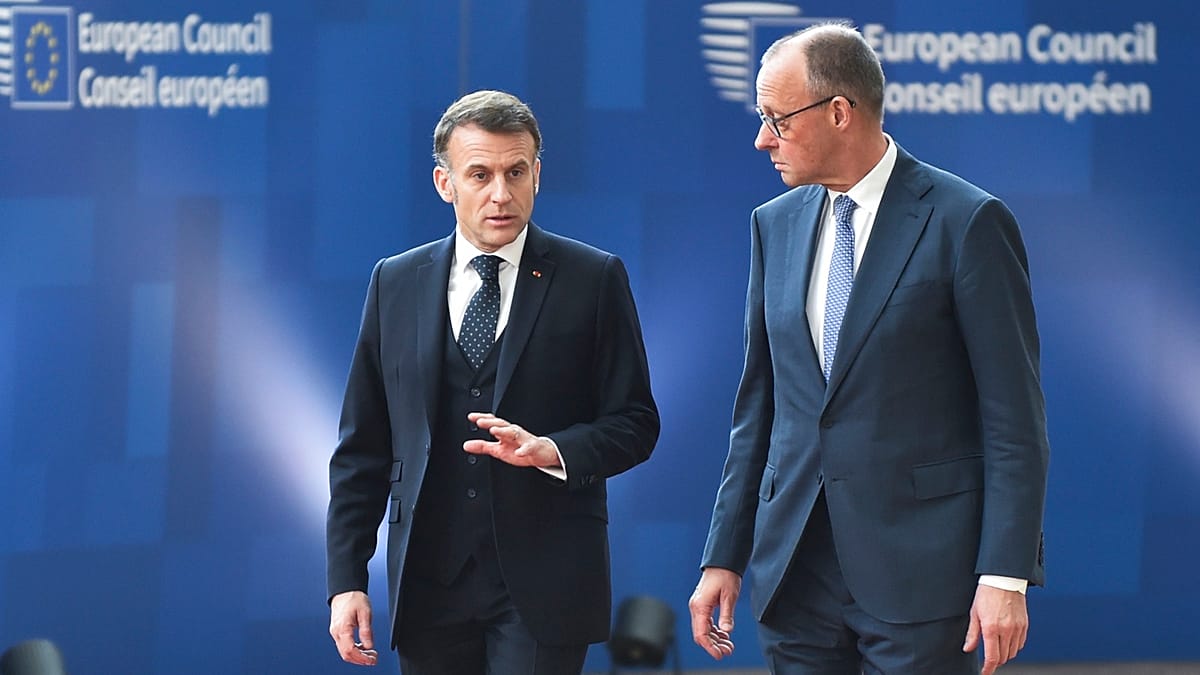
His comments come as as the European Union welcomed the ousting of outgoing Prime Minister Viktor Orbán, who often criticised the bloc’s energy transition and its tough stance on Russian energy imports.
They also raise questions over whether EU leaders will face similar challenges as the EU prepares to phase out Russian energy by the end of 2027.
Magyar’s remarks could unsettle EU leaders, as he suggested that the EU should “lift sanctions” on Russian energy, adding that “no one wants to pay too much” for energy supplies.
While the world faces an energy crisis due to the war in Iran, with soaring prices and potential supply shortages, Hungary in particular has been struggling since the Druzhba pipeline — a key route for Russian oil transported via Ukraine — was damaged in January following a Russian strike on energy infrastructure in western Ukraine, Kyiv claims.
Hungary remains one of the EU’s most reliant countries on Russian energy, making up around 90% of its supply.
With Druzhba flows dropping to zero in February and March, Hungary, a landlocked country with few alternatives, was forced to draw on strategic reserves and reduce refinery throughput, Victoria Grabenwöger, senior analyst at data intelligence firm Kpler, told Euronews.
To mitigate the shortfall, MOL, Hungary’s sole refiner, increased seaborne imports via Croatia’s Omišalj terminal, supplied through the Adria pipeline.
Hungarian imports via Croatia reached roughly 100,000 barrels of oil per day in March, comprising Libyan and Norwegian crude, according to Kpler data.
Overall, analysts say that replacing Russian oil with alternative suppliers significantly narrows Hungary’s financial advantage: even if volumes are secured via Croatia, higher input costs compress margins.
Read the full article here