

 Weather
Published on
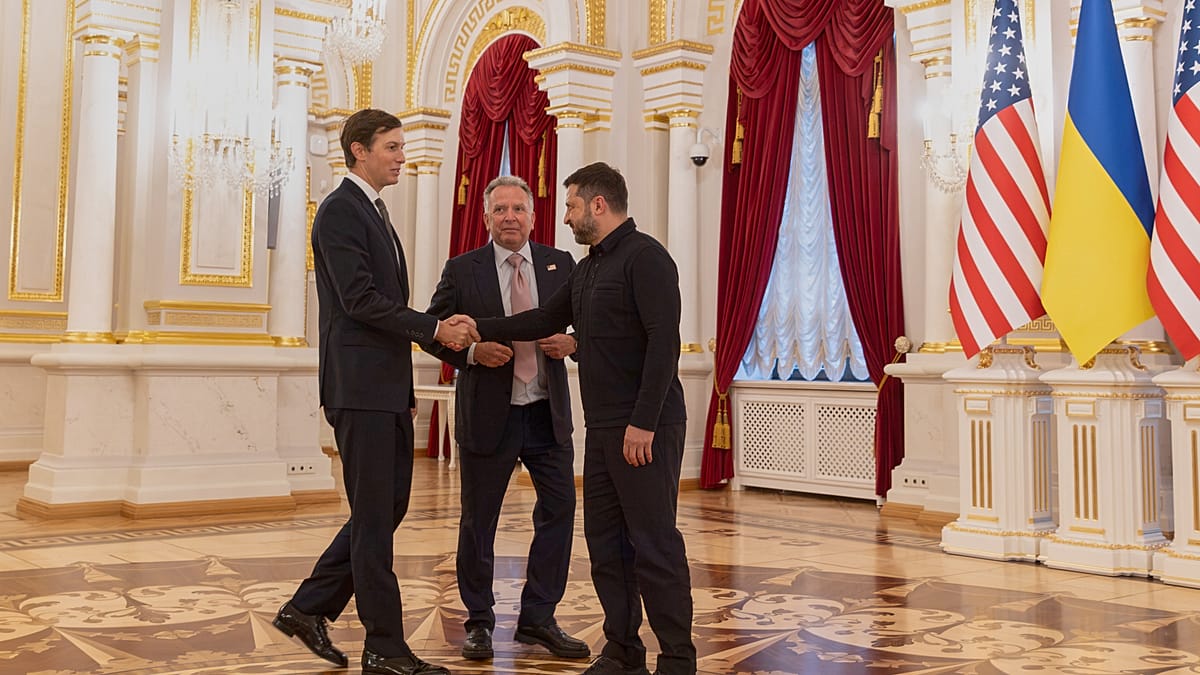
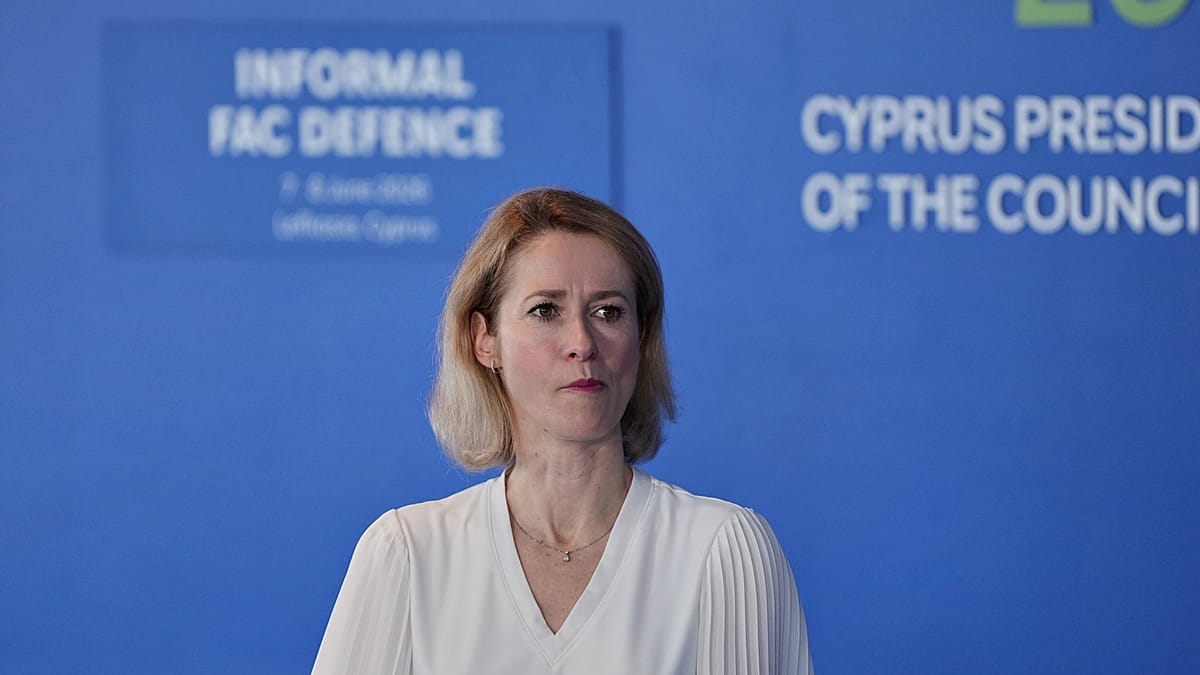
High Representative Kaja Kallas has urged Ireland to clarify whether its continued sales of alumina to Russia help build the missiles and drones that strike Ukraine.
ADVERTISEMENT

ADVERTISEMENT
Sold as white powder, alumina is the key raw material used to make aluminium, a lightweight metal commonly found in weapons on the battlefield.
Kallas discussed the issue during a meeting on Tuesday with Irish Foreign Minister Helen McEntee in Dublin. Kallas also met with Irish Prime Minister Micheál Martin.
“Europe must close all loopholes, tighten sanctions enforcement and ensure our commitments are backed by deeds,” Kallas said after the talks.
“No European products should end up in drones and missiles that kill Ukrainian civilians.”
The timing of the allegations is particularly sensitive for Ireland, which is less than one month away from taking the reins of the EU Council’s six-month presidency.
Standing by her side, McEntee said an investigation has been launched into Aughinish Alumina, the plant at the centre of the scandal, and promised to share the findings with the European Commission once the probe concludes.
“I’ve made it very clear that our support remains firmly with Ukraine,” McEntee said.
“We will ensure that any decisions that need to be taken to put pressure on Russia will have the full support of Ireland,” she added.
Kallas expressed confidence in the Irish goverment’s investigation.
“It’s important that we get the facts straight,” she said.
PR crisis
The remarks in Dublin were delivered just a few hours after the Commission presented a new proposal for economic sanctions against Russia, targeting oil sales, banks, crypto firms, fisheries and soldiers, among other elements.
Alumina was not included in the package, even though sales of primary aluminium and refined aluminium goods to Russia were previously banned.
Asked to explain the decision, Kallas admitted that some member states were in favour of an EU ban on alumina exports but hinted that unanimity was still not there. Ukraine has also called on the bloc to take swift action on the raw material.
“I think this case shows that we should also look into this,” Kallas said. “We have to be creative in coming up with the next sanctions because our aim is that this war will end, and it will also end if the aggressor runs out of either money or material to continue.”
Ireland has been battling damaging headlines since the Organised Crime and Corruption Reporting Project (OCCRP) published an investigation in March about the business ties between Aughinish Alumina, Europe’s largest alumina refinery, and the Russian economy.
According to the findings, the sprawling plant, based in western Ireland, sells alumina to Russian smelters owned by its parent company, United Company Rusal, which in turn sells the metal to a trader that supplies aluminium to sanctioned defence manufacturers.
The weapons made by these manufacturers have been deployed to kill Ukrainian civilians and bombard civilian infrastructure, the OCCRP said. (The investigation traced Irish alumina to the Russian trader, but not to a specific product.)
Aughinish insists its activities are entirely legal because alumina has been spared from EU sanctions. The company saysalumina exports to Russia represented about 45% of all sales in 2025 and expects the share to be similar at the end of 2026.
The Irish government has described Aughinish as a critical actor in a wider supply chain and warned that sanctions would threaten local jobs and drive up inflation.
Read the full article here