





 Weather
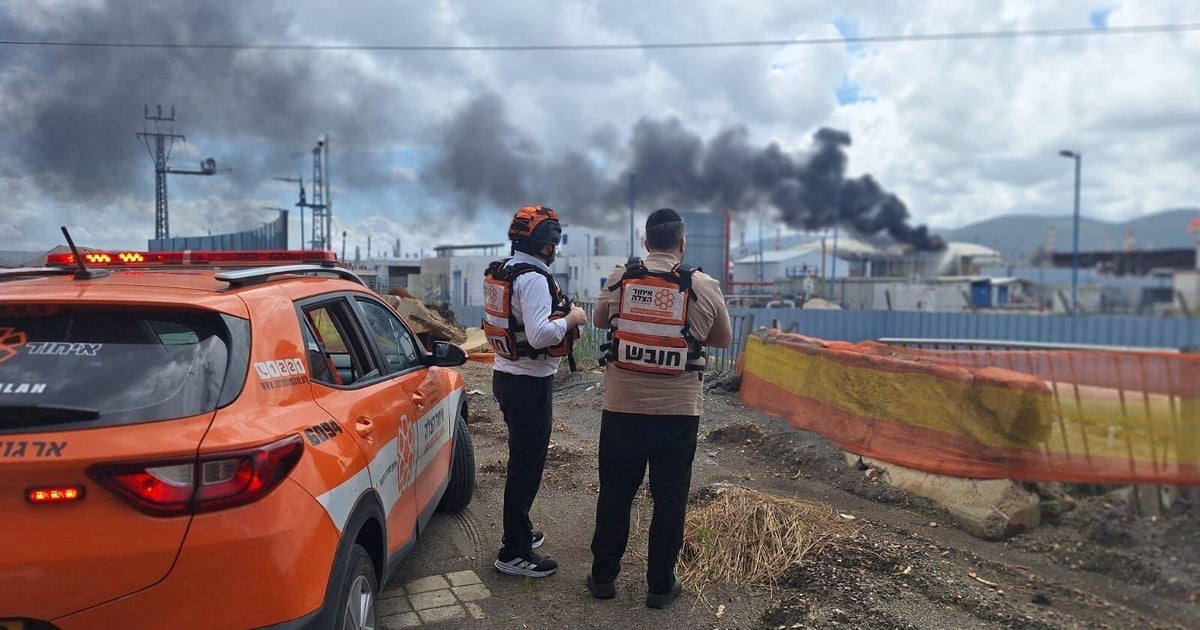
Yemen’s Iranian-backed Houthi rebels joined the war over the weekend, firing missiles at Israel for the first time since the U.S. and Israel launched their joint attacks on Iran a month earlier.
The attacks by the U.S.-designated terrorist group on Israel were limited, but they are being seen largely as a warning that it could get more deeply involved in the war.
The Houthis have previously attacked commercial ships in the Red Sea to disrupt the flow of oil, gas and other commodities through the Bab el-Mandeb strait. Along with the Strait of Hormuz, currently under a de-facto Iranian blockade, the two narrow waterways are the primary routes used by the Middle East’s energy producers to get their products to the vast markets in Asia and beyond.
Getty/iStockphoto
The Houthis warned more than a week ago that they could target shipping through the Bab el-Mandeb strait if Iran asked them to do so. They last attacked ships in the region in 2023, in retaliation for Israel’s war against fellow-Iranian proxy Hamas in Gaza.
Retired Gen. Frank McKenzie, a former commander of the U.S. military’s Central Command, told “Face the Nation with Margaret Brennan” on Sunday that he didn’t believe the Houthis’ entrance into the war would be a “game changer.”
“They will have the ability to further stop slow traffic through the Bab el-Mandeb, going up into the Suez Canal,” he acknowledged. “We have the ability to go down there and prevent that. It will require additional resources, but we have those resources, and we can certainly do it if that becomes necessary.”
But given the inability of the U.S. to reopen the Strait of Hormuz thus far, despite a huge deployment of military personnel and assets in the region, Nomi Bar-Yaacov, fellow at the Geneva Centre for Security Policy, told The Associated Press on Monday that if the Houthis do follow through on their threat to the Bab el-Mandeb it could bring global energy markets to a “point where we have not been before.”
“All eyes are on the mediation, but the oil crisis is, I think, at an unprecedented state,” she said.
The concerns appeared to weigh heavily on energy markets Monday, with the price of international benchmark Brent around $115 per barrel in early trading.