


 Weather
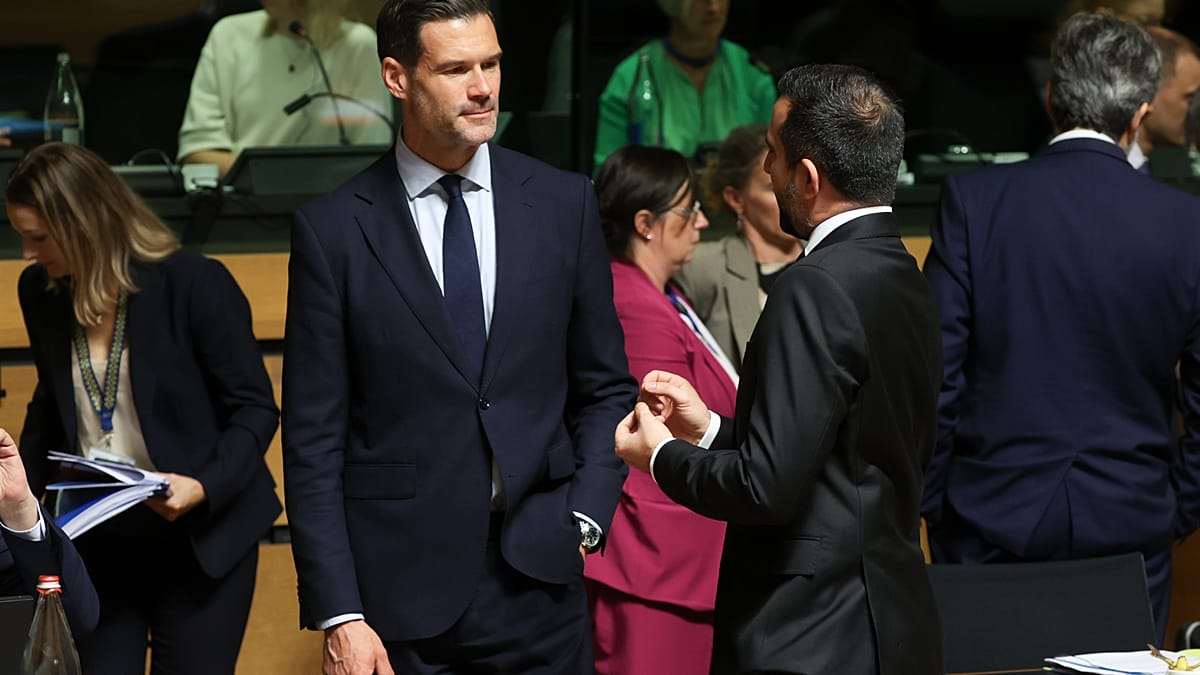
Ambassadors in Brussels had been in the room for almost 12 hours straight.
ADVERTISEMENT

ADVERTISEMENT
The list of topics seemed endless – competitiveness, defence, migration, climate action, the conflict in the Middle East and even a tobacco taxation directive – and diplomats were beginning to feel the strain.
Then, just as the meeting was drawing to a close, a new item was added to the agenda.
Cyprus, the country that currently holds the EU Council’s rotating presidency, had received the signal it had spent days anxiously waiting for: Hungary was ready to lift its controversial veto on Ukraine’s accession.
This account is based on interviews with multiple officials and diplomats who spoke on condition of anonymity to disclose the events that led to the breakthrough.
For two years, the veto proved insurmountable. Poland and Denmark, which held the previous presidencies, vowed to break the deadlock as a matter of priority. Despite their best efforts, they failed, and the blockage remained in place.
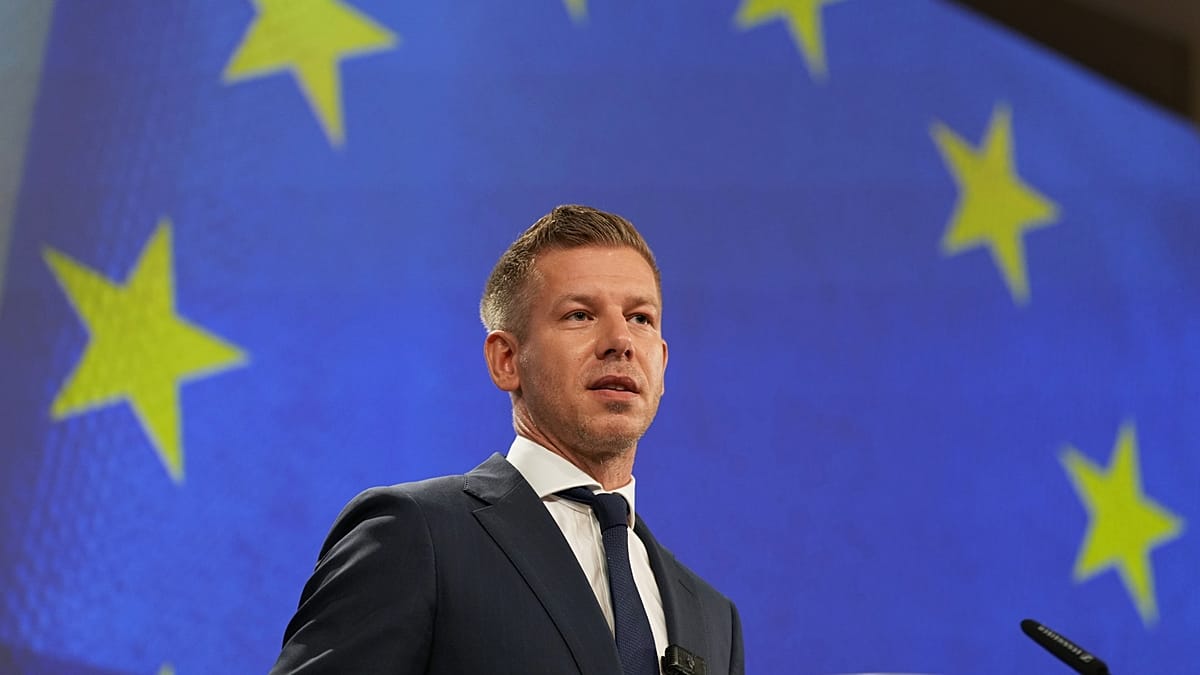
Cyprus was determined to avoid the fate of its predecessors. The country was given a now-or-never opportunity after Hungary’s 12 April elections unseated Viktor Orbán, the architect of the veto, and brought Péter Magyar to power.
The transition prompted a flurry of closed-door negotiations across Brussels, Budapest and Kyiv, culminating in a single question on Wednesday evening.
“Does anybody have any objections?” the Cypriot ambassador asked the room.
The question was met with silence, and the silence lifted the veto.
The ambassador was then authorised to send two letters to Ukraine and Moldova, informing them of readiness to open the first cluster of EU accession negotiations, known as “fundamentals”, which covers the rule of law, human rights, and the judiciary.
On paper, it was just a straightforward procedural step. In practice, it was a momentous achievement that ended two long years of paralysis and exasperation.
There was no clapping inside the room. But the emotion of relief was palpable.
“All Brussels was waiting for this,” a diplomat said. “It’s unbelievable. It’s good news.”
The formal opening of the first cluster is scheduled for 15 June in Luxembourg.
The value of talking
The seeds of Wednesday’s breakthrough were planted in early May, when Hungary and Ukraine launched consultations on minority rights. The first round of talks among the foreign ministers took place online on 20 May amid a positive atmosphere.
The situation of the Hungarian minority in Ukraine’s western Transcarpathia region has long been a source of strong friction between the two countries, an issue rendered particularly sensitive by nationalist sentiment on both sides.
In Hungary, the matter enjoys broad support across the political spectrum. After losing the First World War, the country signed the Treaty of Trianon in 1920, losing two-thirds of its territory along with more than three million Hungarians. The event is considered one of the defining traumas of Hungarian national history.
Budapest harshly criticised Kyiv’s push to strengthen the state language in the aftermath of Russia’s illegal annexation of Crimea. Ukraine’s education law of 2017 particularly angered Hungary, as it strengthened the use of Ukrainian in higher grades. Kyiv later adopted a language law to further strengthen Ukrainian in public administration.
In 2023, Ukraine amended the Law on National Minorities (Communities) to align with EU accession criteria and recommendations from the Council of Europe’s Venice Commission. The new bill allowed the use of EU languages and those of national minorities in political advertising, private schools, universities, student organisations representing national minorities, and the media sector.
At the same time, the study of Ukrainian as the state language remained mandatory in all educational institutions, although instruction could be delivered in EU languages.
Nevertheless, tensions stayed high.
By launching the consultations, the two sides sought a compromise to ease tensions and restore bilateral relations, which had been pushed to an all-time low by Orbán’s repeated vetoes. According to officials and diplomats, the talks proceeded in good faith and at a decisive pace, with hopes for reconciliation rising by the day.
In the meantime, Cyprus launched a separate track of discussions between the presidency, the Commission and Hungary to lay the groundwork for opening the first cluster. Budapest wanted to ensure that any bilateral deal would be reflected in the accession process, whereas Cyprus and the Commission were keen to avoid unfair concessions for Ukraine. The goal was a “win-win” solution for everybody.
On 26 May, Taras Kachka, Ukraine’s deputy prime minister for European integration, told Euronews that his country was offering Magyar the same it had offered Orbán.
“Ukraine treats the Hungarian community in Ukraine with full respect. All their needs are satisfied now,” Kachka said in the interview. “So this is not a commitment. This is reality.”
“For us, they (the Hungarian minority) are an absolutely integral part of Ukrainian society with all respects to their national identity,” he added.
A few days later, on 29 May, Péter Magyar met with European Commission President Ursula von der Leyen in Brussels to release €16.4 billion in recovery and cohesion funds that had been frozen because of democratic backsliding.
During the press conference that followed the much-publicised meeting, both Magyar and von der Leyen denied that the cash had been made contingent on Budapest lifting its veto on accession. Magyar, however, said he expected “guarantees” from Kyiv over minority rights, a term that fell short of demanding constitutional amendments. (Ukraine cannot change the constitution under martial law.)
While in Brussels, Magyar’s foreign minister met with Marta Kos, the European Commissioner for enlargement, and informed her about the progress in consultations.
Magyar’s sing-off
Things moved fast after Magyar met with von der Leyen. Hungary and Ukraine reached a preliminary deal at a technical level in the days that followed.
The news arrived in Brussels, sending anticipation into overdrive.
“We knew there was going to be an agreement,” a senior diplomat said, noting the unfreezing of EU funds helped the process. “But it went all the way to the top.”
The top was Magyar himself.
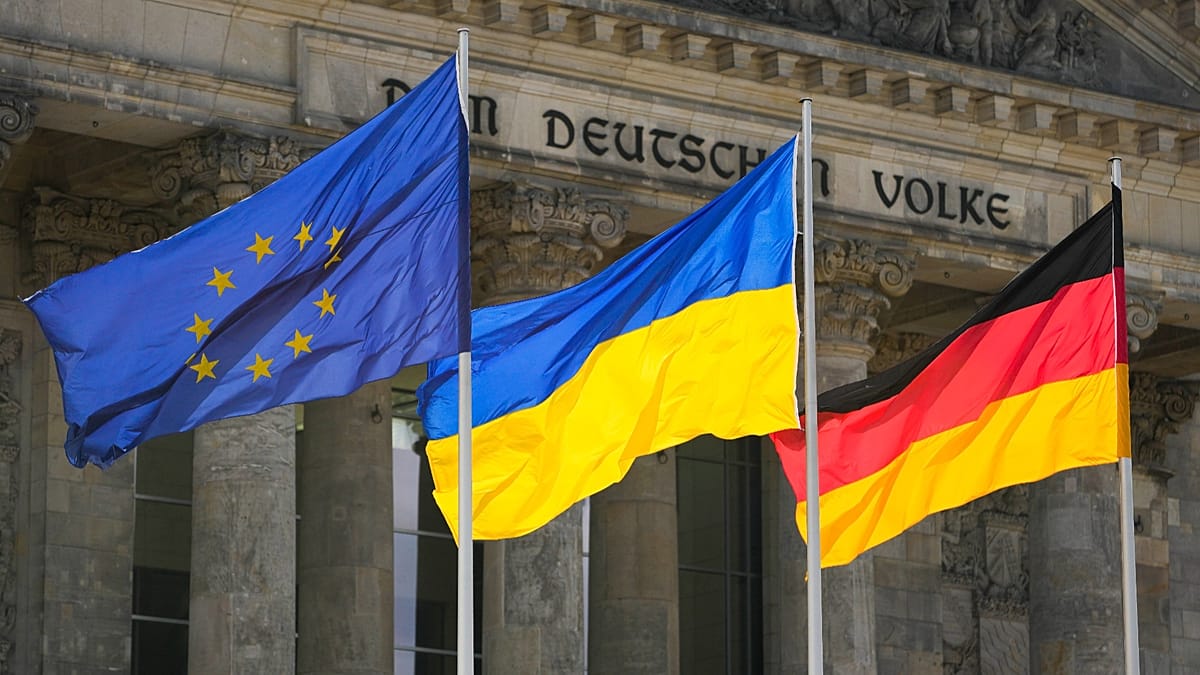
On Tuesday, he was in Berlin with German Chancellor Friedrich Merz. There, the Hungarian leader said he was “very optimistic” about the consultations and expressed confidence of meeting Ukrainian President Volodymyr Zelenskyy, who has repeatedly pushed to kick-start accession talks, in the immediate future.
“I am ready to meet with Ukraine’s president at the beginning of next week, if we manage to agree on these fundamental human rights,” he said.
On Wednesday, just as ambassadors gathered in Brussels for their marathon meeting, Magyar landed in Paris to hold talks with French President Emmanuel Macron. At the end of their encounter, Magyar gave his personal sign-off to the technical deal.
As the Cyprus presidency received the go-ahead to proceed with preparations for the first cluster, Magyar posted a video recorded in Paris on his Facebook account confirming the “great news” of the agreement.
“One hundred thousand Hungarians get back their fundamental rights,” Magyar said.
The agreement, which is yet to be made public, covers the free use of Hungarian national symbols and the right to school certifications, Magyar said.
The most significant step is arguably the establishment of a minority school status. School administration will be conducted in the native language, and parents will be able to block any extension of Ukrainian-language use, he explained.
In towns where minorities make up more than 10% of the population, Hungarian will be allowed in public administration, making it practically an official language. Political activity and campaigning will also be conducted in minority languages.
Crucially, the agreement covers all national minorities linked to EU member states, effectively excluding Russians.
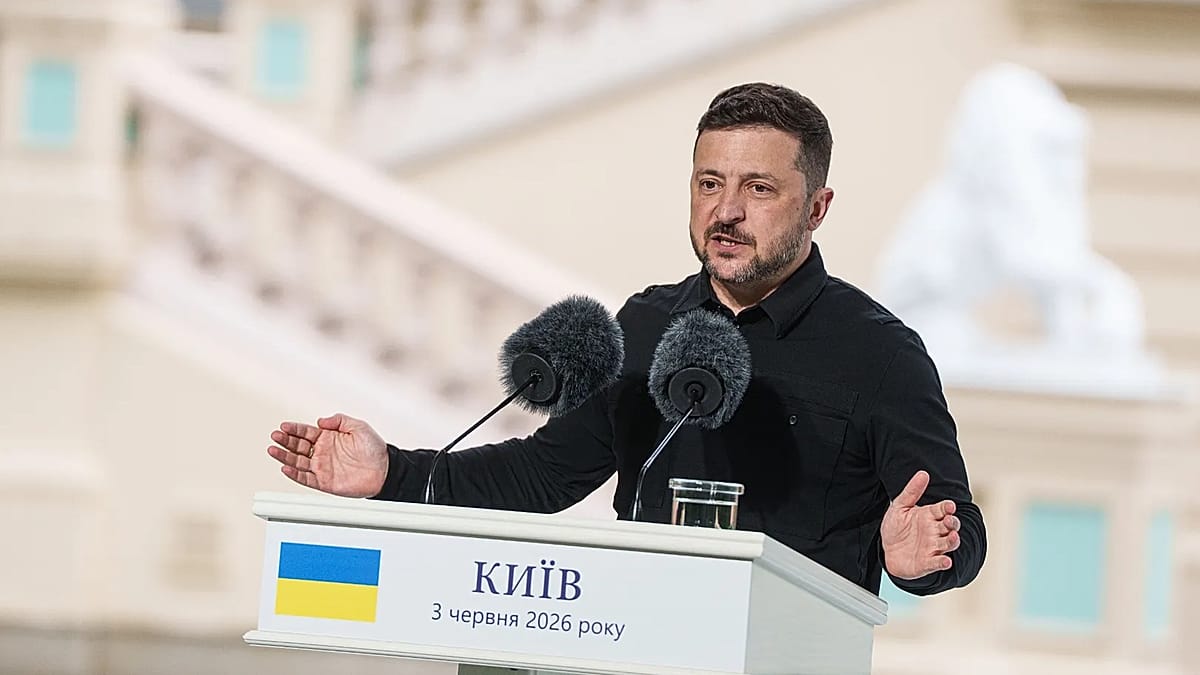
“In just three weeks, we have achieved what Viktor Orbán and his government failed to achieve in ten years,” Magyar said.
Ukrainian officials, often quick to react to positive news, responded with unusual restraint. When contacted by Euronews, the foreign ministry had no immediate statement, despite the headlines coming from Brussels.
Taras Kachka was the first to react, although much later than the news, thanking the Cyprus presidency for its efforts. He cautiously called it a “step towards” opening the first cluster. He did not mention Hungary or the understanding with Budapest.
Ukraine’s foreign minister, Andrii Sybiha, who was directly involved in the consultations, did not issue his own statement until Thursday morning.
“We are opening a new chapter in Ukraine-Hungary relations – one built on mutual respect, trust, and our shared European future,” he said. “Ukraine is moving forward.”
Ukrainian officials did not comment on the substance of the deal and have not revealed what measures or compromise they have agreed upon with Hungary.
Still, for all intents and purposes, the veto was lifted.
Officials and diplomats in Brussels summed up their feelings in one word: “Finally.”
Read the full article here