


 Weather
Published on •Updated
The EU is drawing up a new mechanism to coordinate its response to Russian sabotage and other hybrid attacks, as European officials warn that Moscow is planning further operations across the continent.
ADVERTISEMENT

ADVERTISEMENT
European foreign ministers meeting in Brussels on Monday have been tasked with developing the bloc’s so-called “emergency security protocol,” designed to help member states coordinate their responses quickly when a hybrid threat is identified.
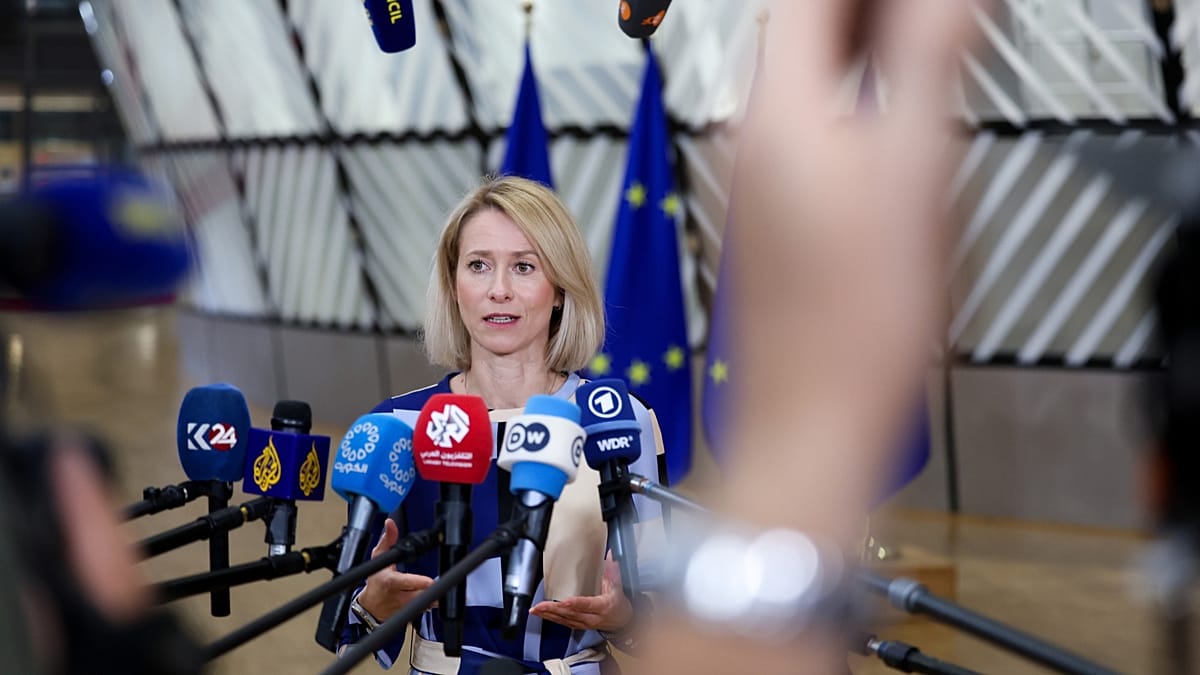
“We need to be vigilant because we see in the intelligence that Russia is planning more sabotage acts,” EU foreign policy chief Kaja Kallas said as she arrived for the talks.
Kallas said such attacks were aimed at European democracy, seeking to divide communities and intimidate them into withdrawing support for Ukraine.
“We have to keep this in mind while standing up to these threats,” she said.
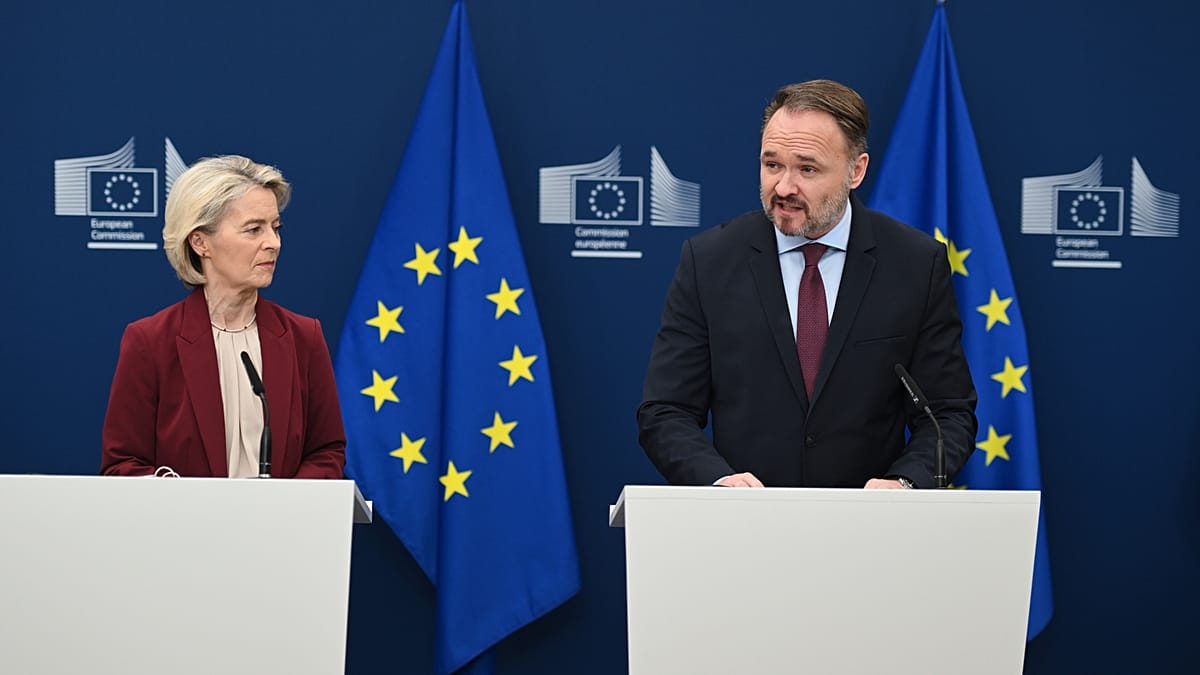
The mechanism, spearheaded by Kallas and European Commission President Ursula von der Leyen, is intended to sit at the heart of the EU’s response to hybrid warfare.
Outlined by von der Leyen in her State of the European Union speech in Strasbourg in mid-September, it would form part of a new security structure and could be triggered by a member state when a hybrid threat is identified.
EU countries would then convene to coordinate their response.
Kallas said the mechanism would cover incidents that fall “under the threshold for armed aggression” but nevertheless require a response.
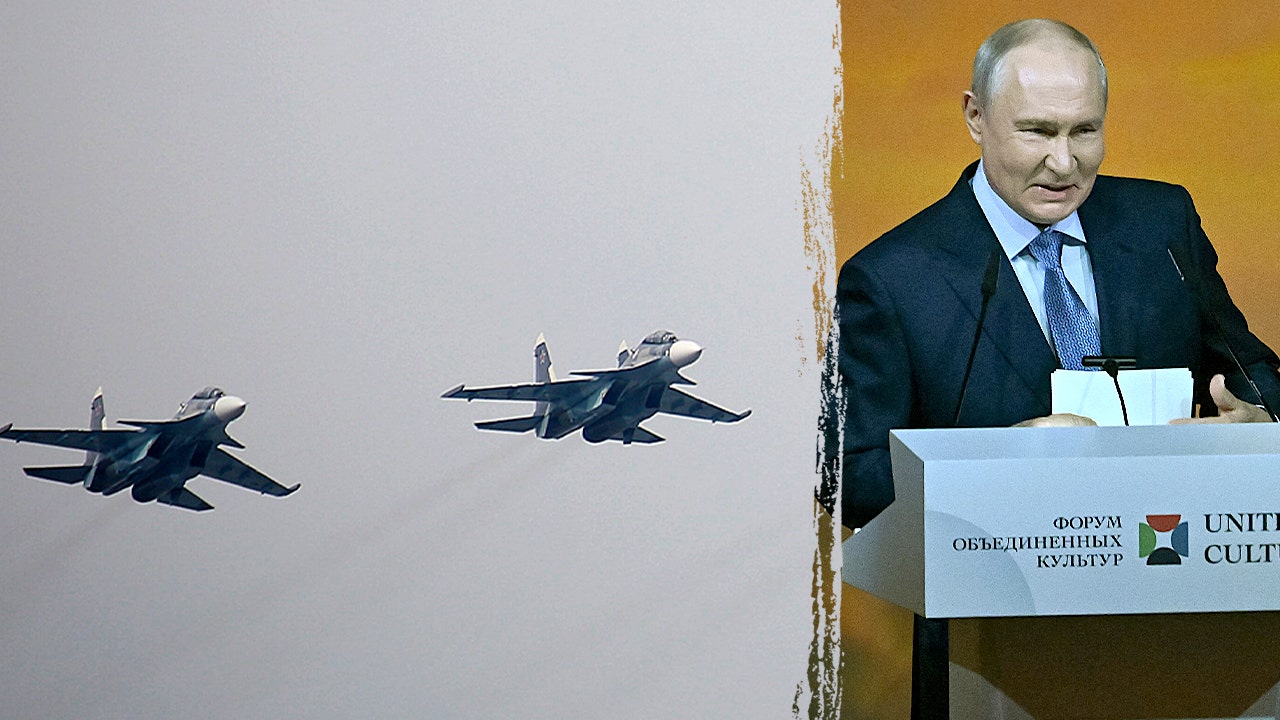
The urgency has been underscored by a series of recent incidents, including the breach of Finnish airspace by a Russian aircraft over the Gulf of Finland on Friday, prompting Finnish and Swedish authorities to scramble fighter jets.
Finnish Defence Minister Antti Häkkänen said on his way into Monday’s meeting that Europe and NATO must take “bigger measures” and establish “stronger coordination” to counter such activities.
Asked about Friday’s airspace violation, Häkkänen said the incident should serve as a springboard for Europe to strengthen its air defences further. “We need money,” he said, adding: “We need joint procurements.”
Swedish Defence Minister Pål Jonson said Russia was seeking to “scare” and “intimidate” Ukraine’s allies through hybrid attacks, but argued that the strategy would fail as the EU continued to support Kyiv and impose further restrictions on Moscow.
“We welcome more measures when it comes to combatting the shadow fleet, when it comes to more sanctions, more visa restrictions, and of course with more support to Ukraine,” he said.
The incident came on the same day that the Danish Defence Intelligence Service (DDIS) said the risk of Russian military action against NATO countries was growing, while describing an outright invasion as “highly unlikely” but not impossible.
Spanish daily newspaper El Mundo also reported last week that Russia could be preparing a drone operation targeting Spain, France and Italy.
Estonia’s newly appointed Defence Minister Martin Herem said on his way into the defence meeting that Tallinn’s priority is to continue supporting Ukraine, whether through bilateral action or further discussions on the long-debated immobilised Russian assets.
“It’s all despite the fact that the Russian Foreign Minister (Sergey Lavrov) threatened us for that, and the Russian special forces are conducting sabotage acts,” he said.
Ministers are also expected to discuss the EU’s first Defence Readiness Report — described by Reuters as an assessment warning that the bloc is not rearming quickly enough to be ready to defend against Russia by 2030.
The year 2030 has been identified by various European intelligence agencies as a potential point by which the Kremlin could be ready to launch armed aggression against NATO allies.
To reduce that risk, EU member states must address gaps in air and missile defence, ground combat capabilities, naval forces, ammunition stockpiles and drones, according to Reuters.
Read the full article here