




 Weather
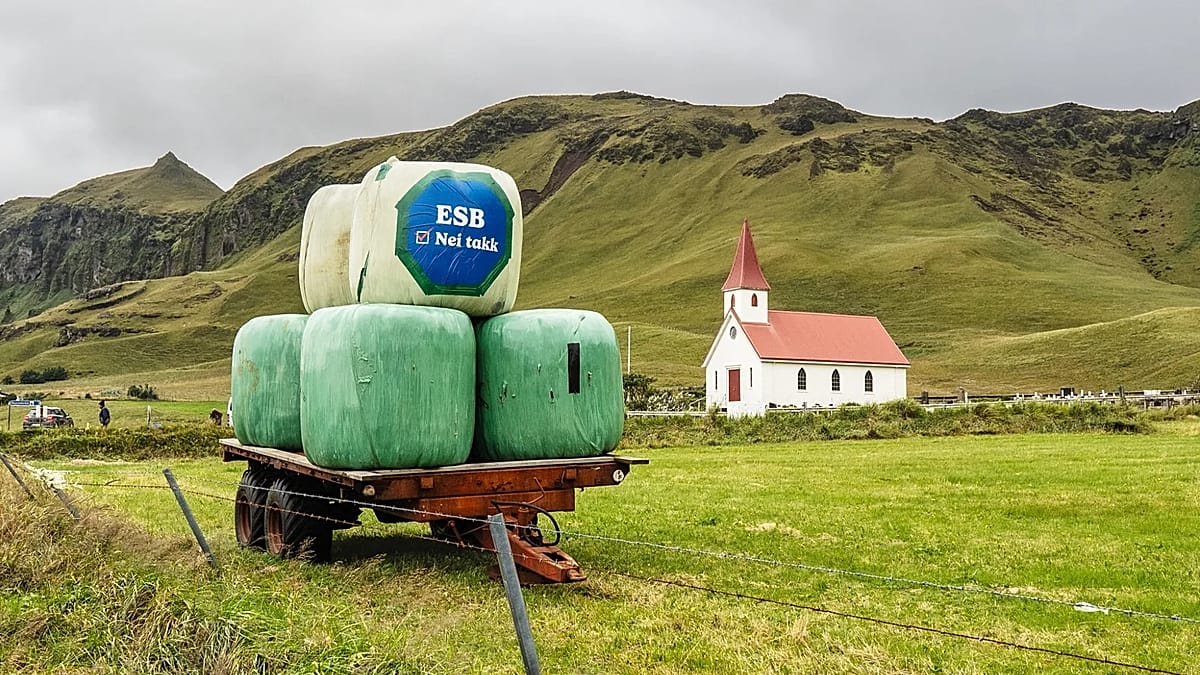
Iceland has said no to reopening negotiations on joining the European Union, and the blow is a painful one.
ADVERTISEMENT

ADVERTISEMENT
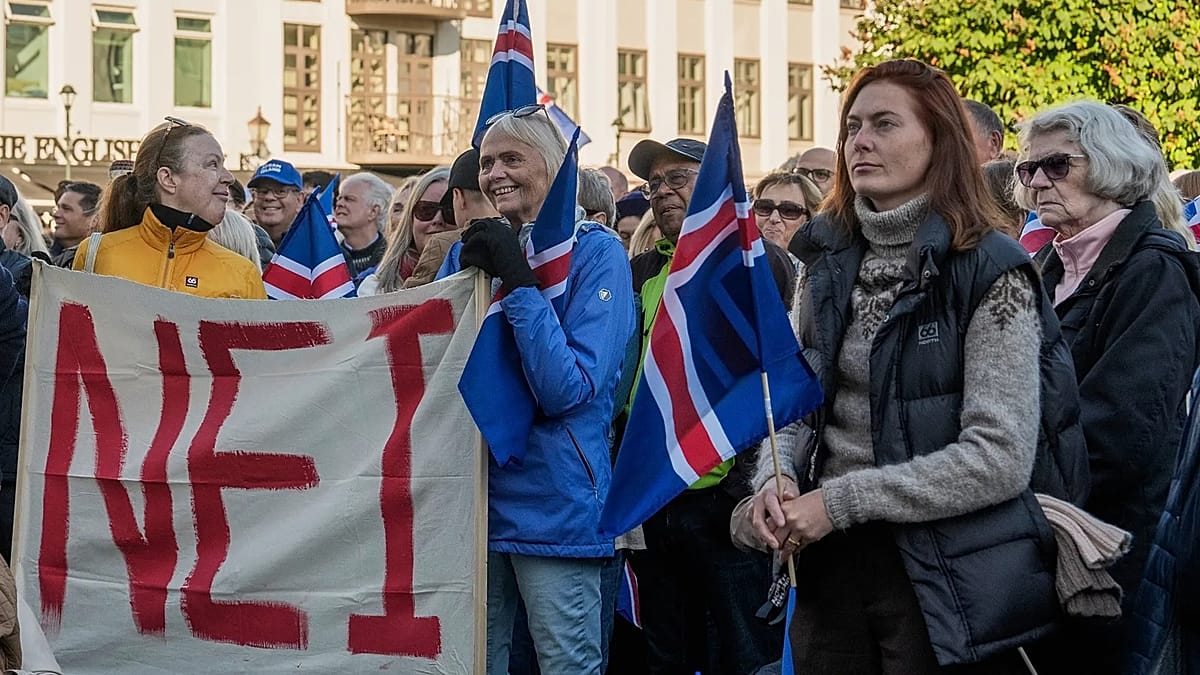
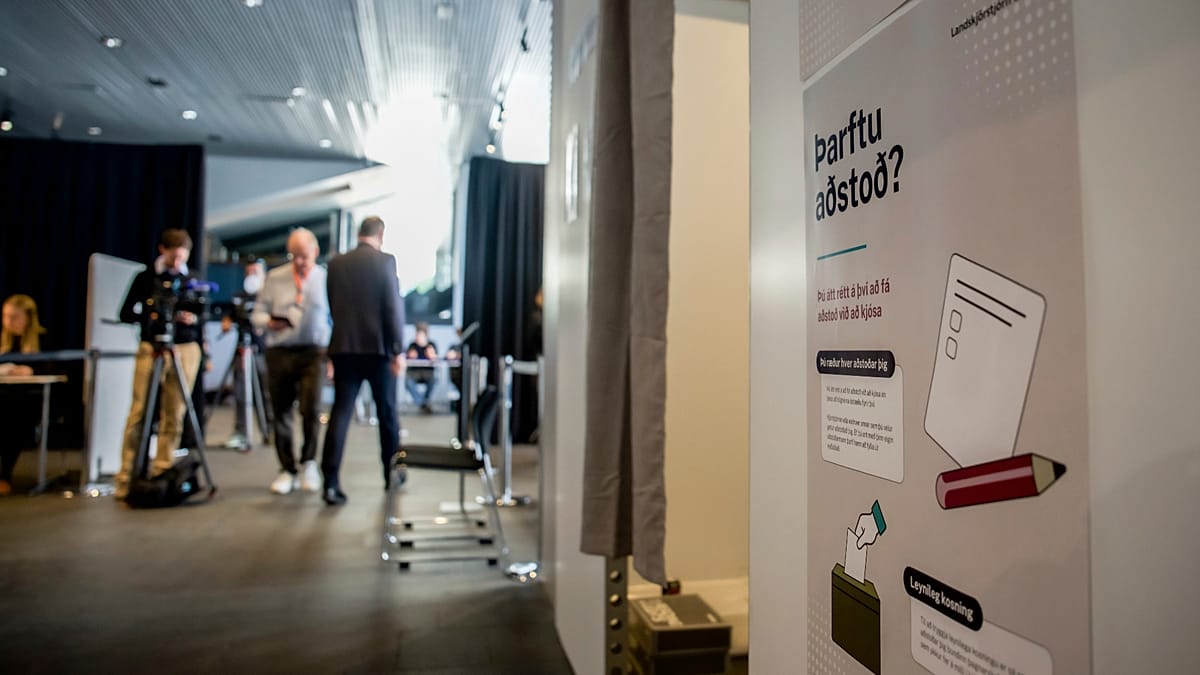
By a narrow margin of 52.8% to 47.2%, Icelandic voters rejected the idea of restarting the accession process that was put on hold in 2013.
While the referendum was not a direct vote on EU membership itself, Icelanders have essentially closed the door, at least for the foreseeable future, depriving the bloc of a promising potential new member with a relatively easy path to joining.
And even though Iceland is already deeply integrated with the EU through the European Economic Area and the Schengen area, the decision not to restart talks comes at a fragile moment for the bloc.
Brussels is urgently trying to project strategic strength in the Arctic region in the face of a belligerent US administration, while its enlargement strategy struggles to deliver tangible results in Eastern Europe.
Fish mattered more than Trump’s threats
A first reading of the knife-edge result suggests that US President Donald Trump’s assertiveness over the Arctic region has not pushed Icelanders closer to the EU.
His repeated interest in acquiring Greenland – and his remarks that have at times blurred the distinction between the Danish territory and Iceland – have underlined the growing importance of a crucial region to the world’s balance of power.
Iceland’s strategic position in the North Atlantic has therefore taken on new importance. For supporters of EU membership, the US stance strengthened the argument that the country would be safer inside the Union.
The rejection could mean that, for a majority of the island’s population, those arguments were still not strong enough to outweigh concerns about sovereignty and national control.
The campaign was instead dominated by familiar fault lines that have shaped Iceland’s debate about accession to the EU: control over fisheries and agriculture, sovereignty, and the country’s economic model.
The prospect of negotiating the management of the fishing sector within the framework of the EU’s Common Fisheries Policy has scared Icelanders more than Trump’s claims over neighbouring Greenland.
Supporters of the “No” have also leaned heavily on warnings that giving Brussels a greater say over economic policy would come at the cost of national control.
The promoters of negotiations could not convince public opinion that the benefits of full political integration would offset the loss of autonomy that membership would entail, partly because support from the ruling coalition was quite mild.
Prime Minister Kristrún Frostadóttir has mostly described the referendum as an opportunity to decide together on the country’s future, cautiously noting that it is impossible to know whether the benefits outweigh the drawbacks before actually negotiating the terms of accession.
A setback for Europe’s enlargement message
For Brussels, the political symbolism of the vote is even worse.
The EU has been trying to revive enlargement as a strategic project, particularly since Russia’s full-scale invasion of Ukraine, speeding up the process for Ukraine and Moldova while keeping the Western Balkan countries close through investments and partnerships.
The addition of Iceland, a stable democracy aligned with EU rules, to the set of candidate countries would have offered a fresh perspective on the enlargement strategy, showing that membership is still attractive to wealthy countries and that the EU can expand in any direction.
Instead, a possible straightforward success story has turned into a reputational setback for Brussels: even a country closely aligned can see membership as a step too far.
The referendum defeat inevitably revives memories of some of the EU’s most painful encounters with popular votes, both within and outside the bloc.
In 2005, French and Dutch voters rejected the proposed Constitutional Treaty, dealing a major blow to the EU’s attempt to give its political project a basic law.
Ireland provided another reminder of the political risks of referendums by rejecting the Lisbon Treaty – the replacement for the European Constitution – in 2008, before approving it in a second vote the following year.
The closest precedent to Iceland’s rejection is Norway’s decision to reject EU membership twice, in 1972 and 1994. In both cases, concerns over sovereignty and control of natural resources – particularly fisheries – played a central role, something that could also apply to Icelandic voters.
Similarly, Switzerland has repeatedly rejected deeper forms of European integration, such as membership of the European Economic Area, while maintaining extensive economic ties with the single market on a tailor-made basis.
As in the previous cases, this “No” to reopening accession negotiations does not necessarily mean Icelanders are anti-European, nor will it harm the country’s relationship with the EU. But it may offer an unwelcome reminder to Europeans that the more uncertain the world becomes, the more valuable national control may appear.
Read the full article here