




 Weather
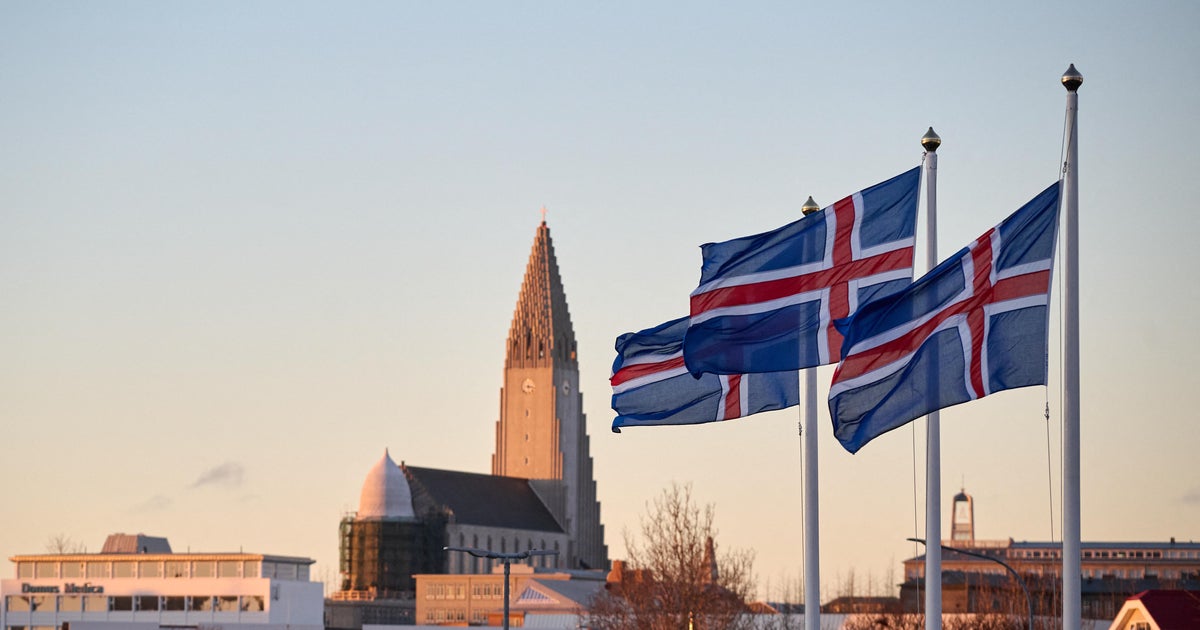
Icelanders have rejected plans to resume negotiations to join the European Union more than a decade after previous talks stalled, the national broadcaster reported Sunday.
In a vote held Saturday, 52.8 percent of Icelanders rejected the resumption of EU entry talks suspended 13 years ago, while 47.2 percent voted ‘Yes’, according to the official tally published by RUV, the public broadcaster.
“The nation rejects accession negotiations with the EU,” RUV wrote.
The small North Atlantic island is already a close ally of the EU, as a member of the European Economic Area and the Schengen zone, which in practical terms allows easier movement of people, capital, goods and services. Norway and Liechtenstein are the only other European countries which share the same relationship with the EU.
The country of just under 400,000 people applied to join the EU in the wake of a 2009 financial crisis that devastated its economy.
The vote will put the long-debated issue to rest for the second time. A euroskeptic government ended EU talks in 2015.
Iceland’s left-leaning coalition government, elected in 2024, moved up the EU referendum it had planned for next year after President Trump mistakenly named the country four times while speaking about his designs on Greenland.
It was a simple yes-or-no question for roughly 265,000 eligible voters: Should Iceland resume accession negotiations with the European Union?
Opponents rallied around fishing and the fact that Iceland already reaps benefits from being in the EU’s frictionless single market and the Schengen free-travel zone without the sovereignty compromises that inevitably come with full membership. They argued that Iceland’s voice would be muted in the large European Parliament and that it would be better off cutting its own trade deals, such as one with China.
Backers said EU membership would lower inflation and interest rates, and the euro would bring more stability than Iceland’s volatile króna. They said it was also in the nation’s interest to get closer to its European neighbors to tackle issues that don’t respect borders, such as climate change.