





 Weather
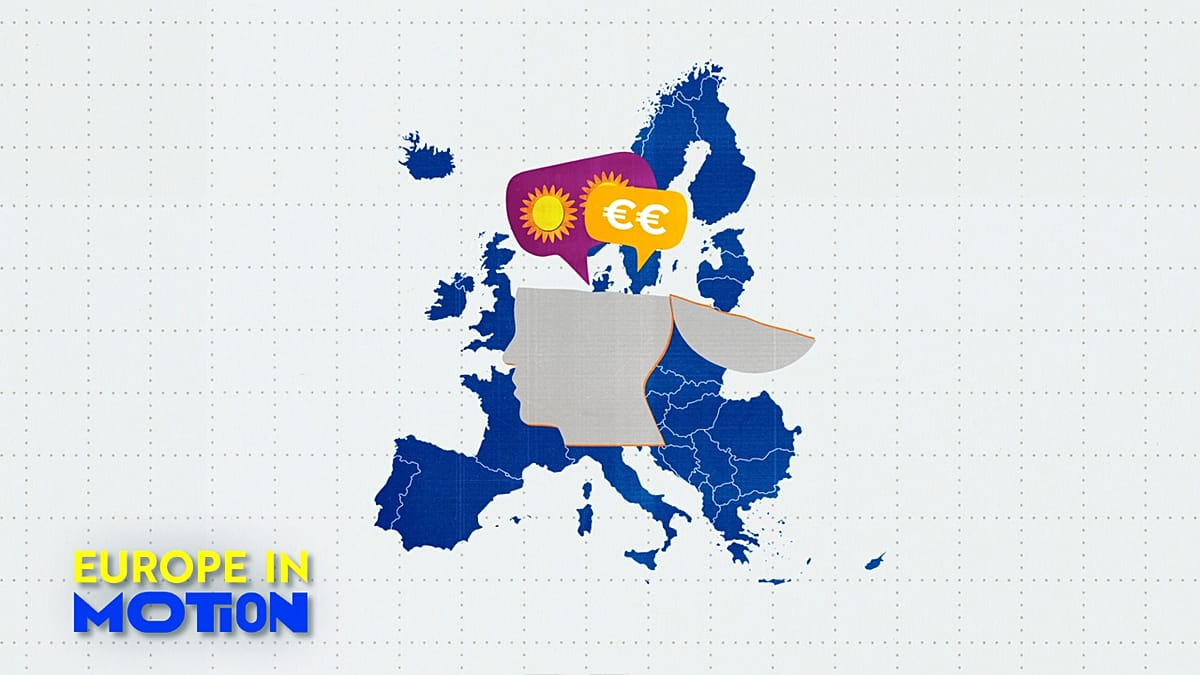
Europe is facing challenges centred on geopolitical security, economic strain, and environmental pressures, many of which are causing concerns for citizens, too.
ADVERTISEMENT

ADVERTISEMENT
A YouGov survey across six European countries suggests there is no single issue dominating public opinion across the continent. Instead, national concerns vary on local priorities, with the economy high on the list for most.
Where does the economy top the list?
Economic concerns remain at the forefront in some of Europe’s largest economies.
Almost half of French respondents (47%) and 44% of Germans ranked the economy among the two biggest issues facing their countries. Immigration also came second in both countries, cited by 27% of respondents in France and 26% in Germany.
These findings come as the eurozone’s two largest economies face persistent economic pressures. In Germany, a recent uptick in industrial production has offered limited reassurance, as output remains below pre-pandemic levels and experts report that recovery remains fragile.
The country’s export-led economy has faced pressure as a result of weaker demand from both the US and China, particularly its automotive industry — once a key driver of economic growth.
In France, first quarter data shows that economic growth has stalled as the Iran war weighed heavily on energy prices. Political deadlock has also complicated the country’s efforts to pass reforms to improve public finances.
Respondents in both countries also expressed little optimism about the year ahead, with around 68% of French respondents saying they expected the economy to worsen over the next 12 months, compared with 58% in Germany.
Housing the biggest concern in Spain
In Spain, concerns centre around a different hot-button issue: housing.
Nearly half of respondents (49%) ranked housing among Spain’s two biggest concerns, making it the highest rated issue across all six countries studied. Healthcare and the economy followed, both selected by 25% of respondents.
These findings reflect a housing crisis that has dominated political debate in Spain over the past year, with figures from Spain’s National Statistics Institute (INE) showing house prices rose by almost 13% year-on-year at the end of 2025. This was the fastest increase in Spain in years and was among the fastest increases in Europe as a whole.
In 2025, data suggested that a worker would have to devote the equivalent of 8.4 years of their average salary to have a chance of purchasing an 80-square-metre home.
The issue is particularly pronounced in certain parts of the country, with the Balearic Islands and Madrid among the most expensive regions for home ownership, whilst short-term lets in cities such as Barcelona have long sparked locals’ anger over the lack of affordable housing.
Italians worried about healthcare
Italy, meanwhile, was the only country surveyed where healthcare emerged as the biggest concern, with some 43% of respondents ranking health and the healthcare system among the country’s two biggest issues, ahead of the economy and immigration.
This comes as Italy’s public health services continue to face mounting pressure from staff shortages and an ageing population. Euronews previously reported that the country is short of an estimated 175,000 nurses, with low pay, heavy workloads and limited career prospects contributing to an exodus of trained medical professionals to other European countries.
Denmark stands apart
Denmark was the only country where the economy, housing, or healthcare did not top the list of concerns.
Instead, international terrorism or aggression and climate change were jointly ranked as the country’s biggest issues, with both cited by 27% of respondents. Immigration followed at 24%, while healthcare and the economy ranked lower.
Read the full article here