




 Weather
One thing is certainly clear from the conversations I’ve had with diplomats in the city’s old town to drone producers in the countryside. The small Baltic nation is preparing — and has been preparing for decades — for Russia’s worst case scenario, while continuing its unwavering support for Ukraine.
ADVERTISEMENT

ADVERTISEMENT
This was made abundantly clear while walking past the Russian embassy in the city centre. The building is located on a 65-metre long street that in 2022 was renamed Ukrainas neatkarības iela, which in English means Ukrainian Independence Street. The embassy itself is surrounded by buildings showing unflattering illustrations of Russian President Vladimir Putin.
For Latvians, this heightened security reality is ever present, with the country’s prime minister Andris Kulbergs reiterating on Wednesday the frontline country needs billions of extra EU funds to support its defences.
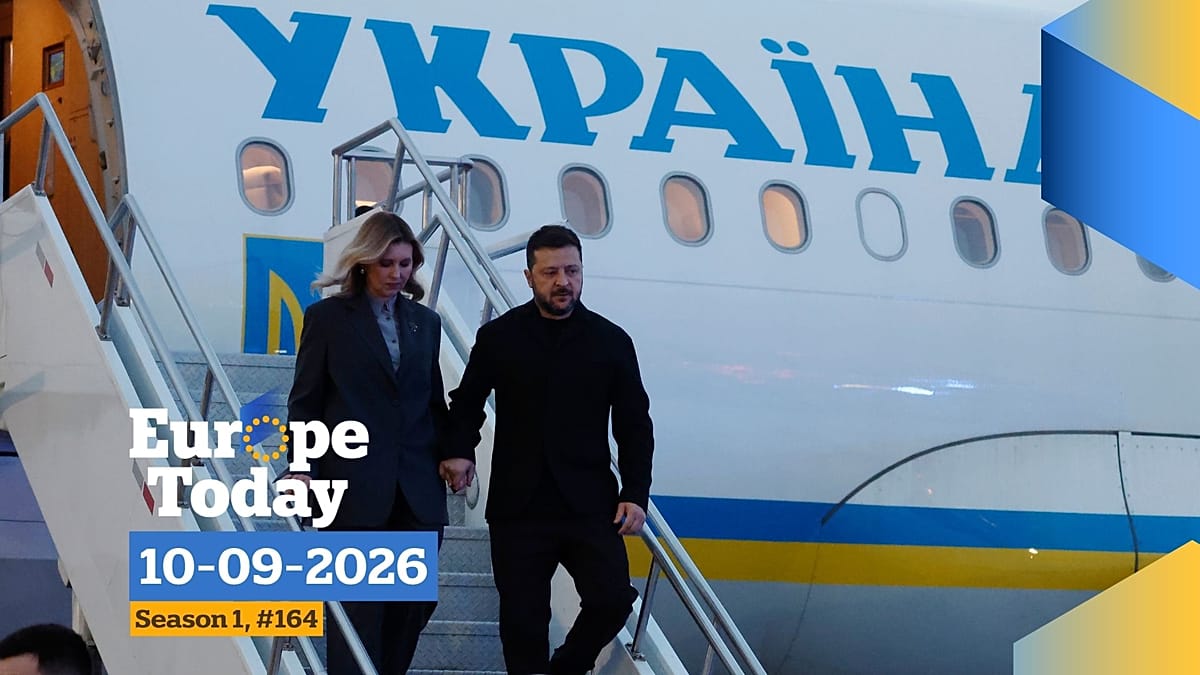
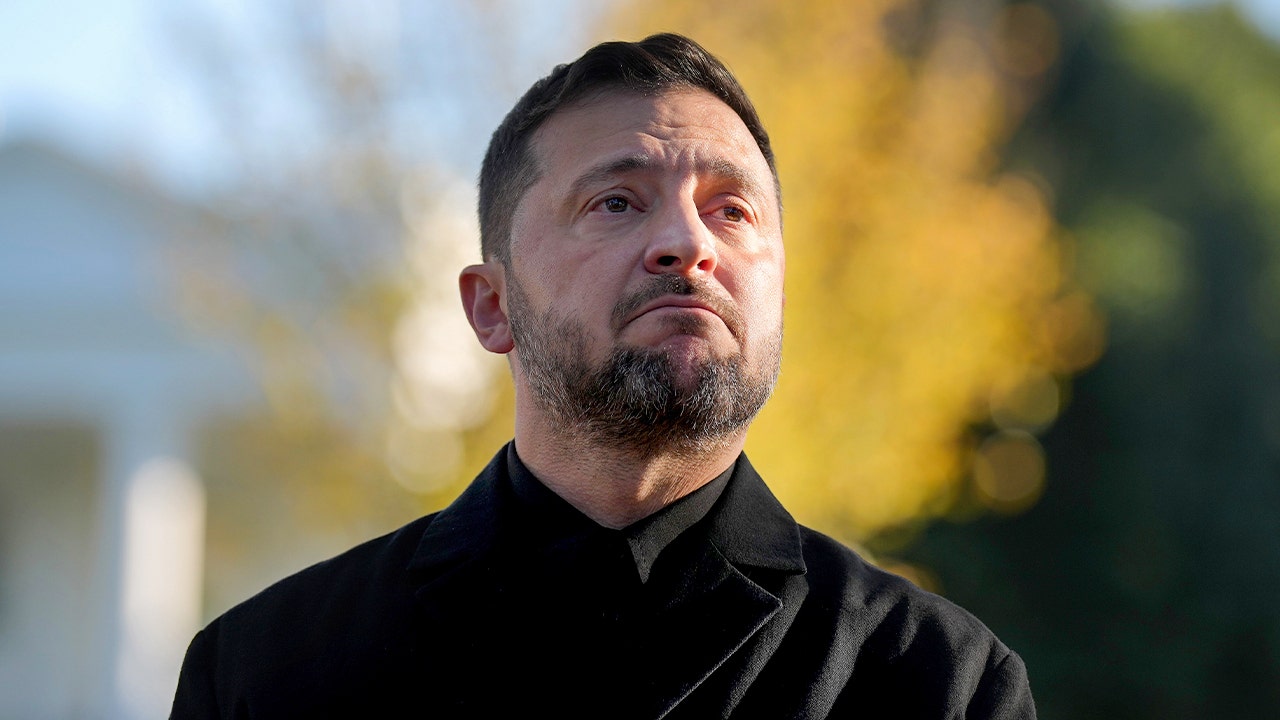
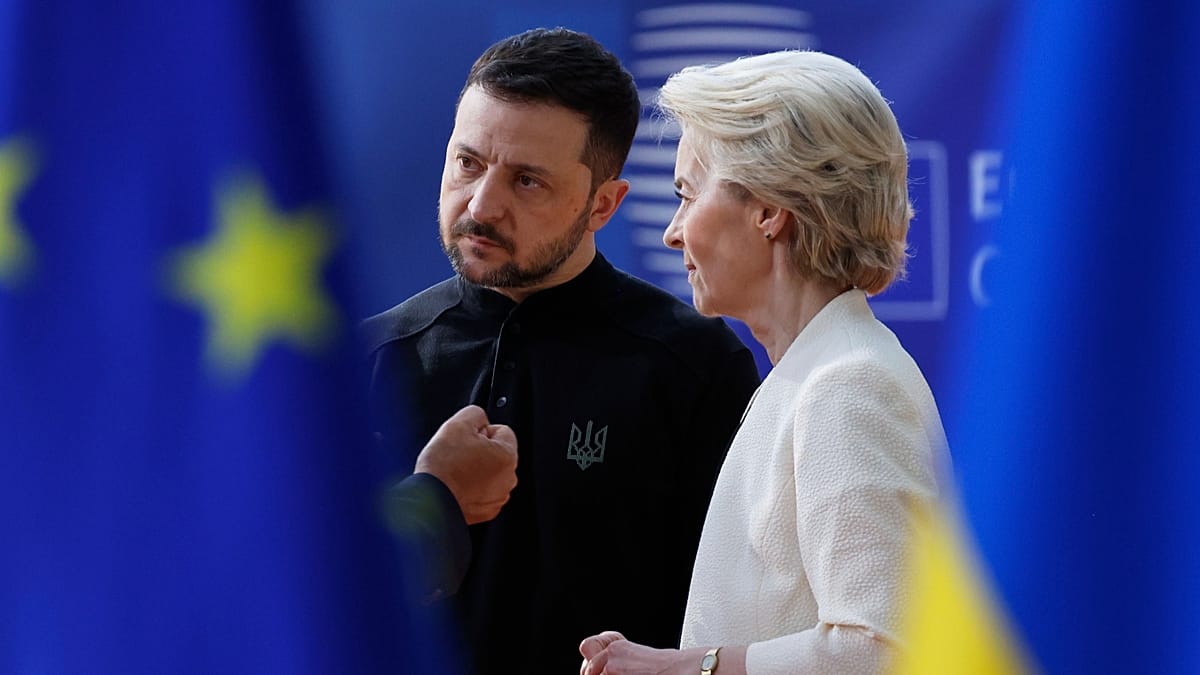
A near miss: This threat was underscored when a plane carrying Ukrainian President Volodymyr Zelenskyy from Moldova to Oslo was nearly hit by an unmanned aerial vehicle late Wednesday night. This is according to comments made by Norwegian Prime Minister Jonas Gahr Støre.
But the threat isn’t simply physical, it is also manifesting in political spheres.
Finnish Minister for Foreign Affairs Elina Valtonen just told Europe Today that she is sure “Moscow is happy” about Alternative for Germany’s win in the German regional election over the weekend, showing the increased reach of the Kremlin’s influence. Watch.
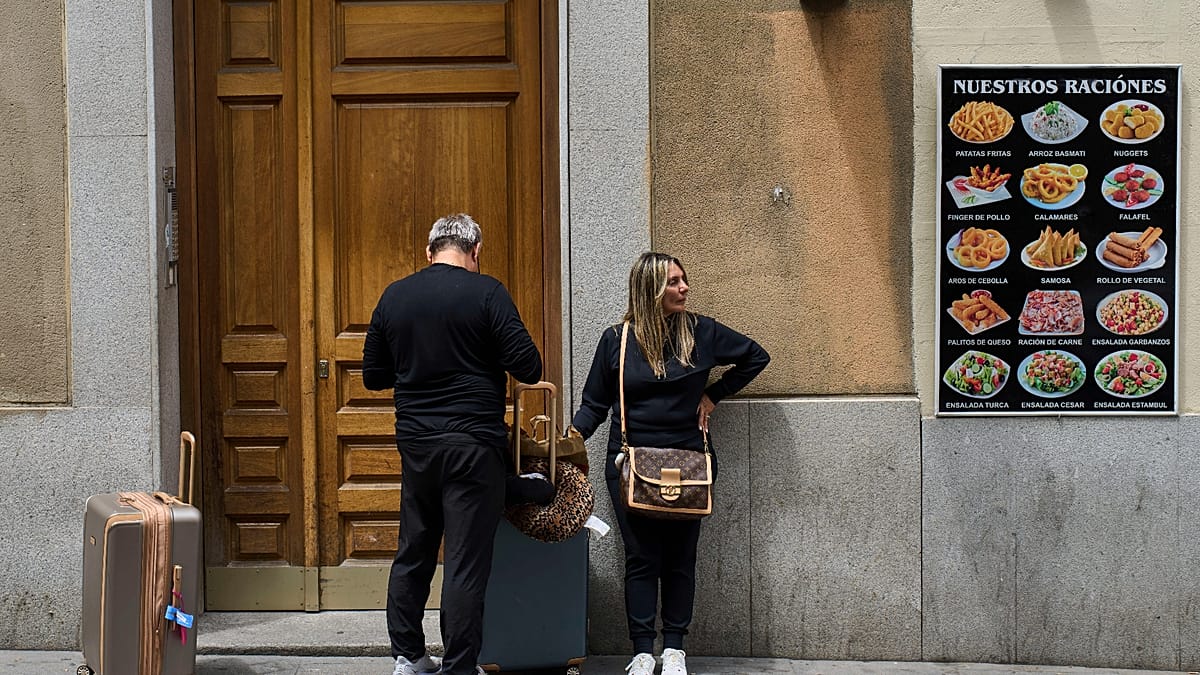
Housing “emergency”: Europe’s housing crisis has reached “emergency” levels, with ordinary people in ordinary jobs struggling to afford somewhere to live. That was the warning from the EU’s housing and energy boss, Dan Jørgensen, as he unveiled new measures designed to allow local authorities to curb the meteoric rise of short-term rentals in Europe’s cities on Wednesday.
The rules will define areas in Europe under “housing stress”, and provide local authorities greater legal certainty when restricting holiday lets and short-term rentals such as Airbnbs.
Speaking to Euronews’ Mared Gwyn, Jørgensen recognised the EU must take further steps to get to grips with the issue, adding that the crisis is a “European problem” that the bloc is taking “very seriously”. That’s despite housing being outside the EU’s competences.
Home truths: Asked whether Europe was becoming a place where under-35s could no longer become homeowners, Jørgensen said: “in many cities and member states, we’re already there.”
“We see normal people with normal jobs not being able to find a place to live, being crowded out of the cities where they serve as police officers, nurses and teachers and so on. So this is totally unacceptable and we need to act.” Watch.
A report you don’t want to miss: My colleague Eleonora Vasques obtained an investigation by former officials from the international watchdog, the Organisation for the Prohibition of Chemical Weapons, which suggests that they have found evidence that the Sudanese government may have deployed chemicals amid the country’s ongoing civil war.
The group of experts has identified consistent and credible evidence from witnesses and digital sources indicating that victims were allegedly exposed to toxic chemicals following a military operation. Dive into this must-read piece of reporting.
SOTEU sneak peek: Ursula von der Leyen has given us a little preview of what to expect from next week’s much-awaited State of the Union speech. Vincenzo Genovese reports that the Commission president met the leaders of the European Parliament on Wednesday, who came armed with their own wish lists ahead of the 16 September address.
According to people in the room, von der Leyen gave a short intervention outlining some of the issues she plans to touch on — though not necessarily in this order: protecting minors online, competition and the single market, climate, migration, innovation, energy costs and the EU’s partnership with Canada.
One political representative in the room summed up the priorities neatly: “Very green, not very social.” After her time at the podium, the Commission chief then listened to the demands of elected officials.
Wish list: The Socialists want housing and the European social pillar to get more attention. Liberals are pushing for a genuine single market by tackling non-tariff barriers. And conservatives and the far-right are calling for stronger protection against illegal immigration.
Canada comes closer: Ottawa is looking across the Atlantic as its trade war with the US continues. The EU-Canada summit is now set for 29 and 30 October — and Canadian Prime Minister Mark Carney has made it clear he wants his country’s relationship with Brussels to grow closer.
As Peggy Corlin writes in this dispatch, Carney’s appearance at next week’s SOTEU speech in Strasbourg will be an early and highly visible political signal of this new chapter.
“Canada is one of the EU’s most like-minded partners,” one EU diplomat said after the bloc’s 27 ambassadors met on Wednesday for their first discussions on preparing the summit.
Exactly what this new partnership will look like is still being worked out. But there is plenty of scope to deepen cooperation on trade and security — and a digital trade agreement is also expected to be finalised in time for the summit.
EU Commission scrambles to keep pace with Moldova’s accession push
The European Commission is redirecting internal resources to Moldova’s enlargement process, after Chișinău’s reform pace outstripped the department’s capacity to keep up with it, EU officials told Euronews.
The Moldovan government has pushed through required reforms so quickly that the Commission is now playing catch-up, reallocating existing resources to keep tabs on progress.
“Moldova’s impressive record of EU reforms is paying off. I had a good call with new Prime Minister Vasile Tofan during which we discussed the next steps on Moldova’s EU accession path,” Enlargement Commissioner Marta Kos wrote on X on Tuesday.
The Commission’s enlargement department, already stretched thin by simultaneous progress across several candidate countries, has had to shift resources towards the best-performing ones.
Read more of Luca Bertuzzi’s analysis.
More from our newsrooms
France co-hosts major space summit with Germany despite US firms’ withdrawals and Merz absence
Astronauts, heads of state, as well as major economic players in the space industry united in Paris on Wednesday for the international space summit, co-hosted by France and Germany, at Paris’ Grand Palais. Estelle Nilsson-Julien has more.
European Parliament to debate Ceuta crisis amid fierce political backlash
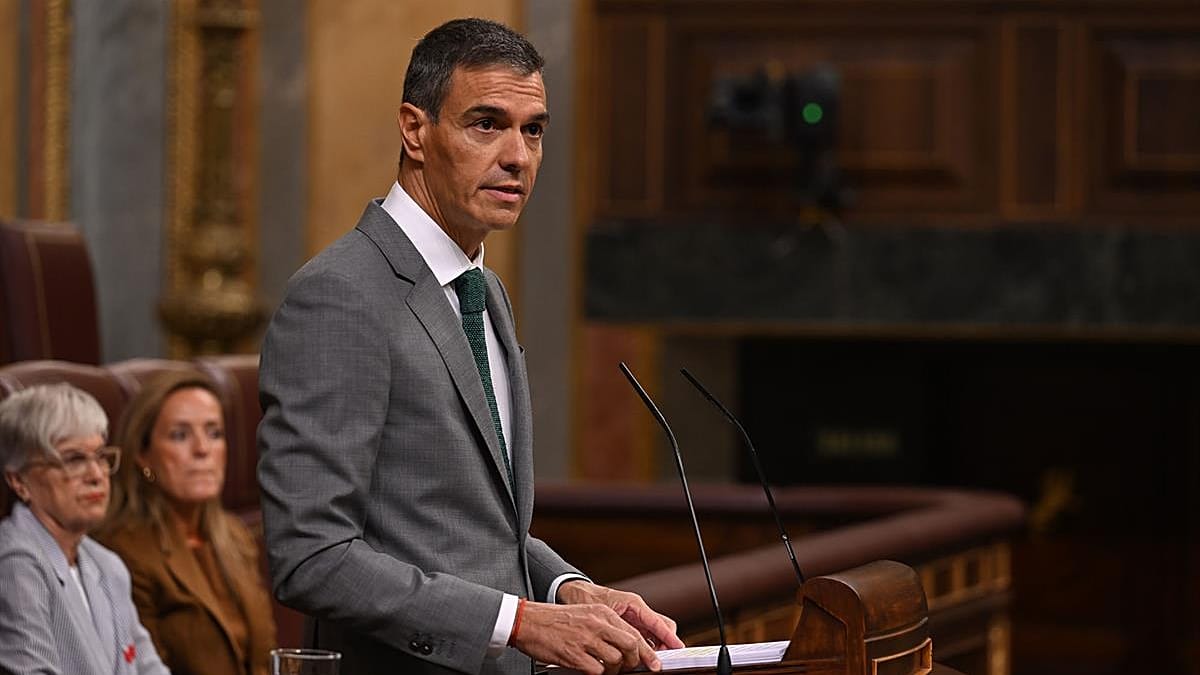
The EPP and other right-wing groups are pushing for a resolution that would criticise Prime Minister Pedro Sánchez and call for a tougher migration policy, while the Socialists and Democrats are expected to defend Spain and call for greater European solidarity. Vincenzo has the details.
EU’s plan to gain independence from Russian energy faltering, auditors warn
A damning report from the European Court of Auditors identifies insufficient grid infrastructure and interconnectors across EU countries as major barriers to unlocking a fully integrated energy market. Marta Pacheco breaks it down.
We’re also keeping an eye on
- European Commissioner for Trade Maroš Šefčovič meets Czech Prime Minister Andrej Babiš in Prague.
- European Commissioner for the Economy Valdis Dombrovskis meets Latvia’s Minister of Defence Raivis Melnis in Riga.
- European Commissioner for Humanitarian Aid and Crisis Management Hadja Lahbib meets Romanian President Nicușor Dan in Bucharest.
That’s it for today. Mared Gwyn, Eleonora Vasques, Vincenzo Genovese, Sasha Vakulina and Peggy Corlin contributed to this newsletter.
Read the full article here