





 Weather
Published on •Updated
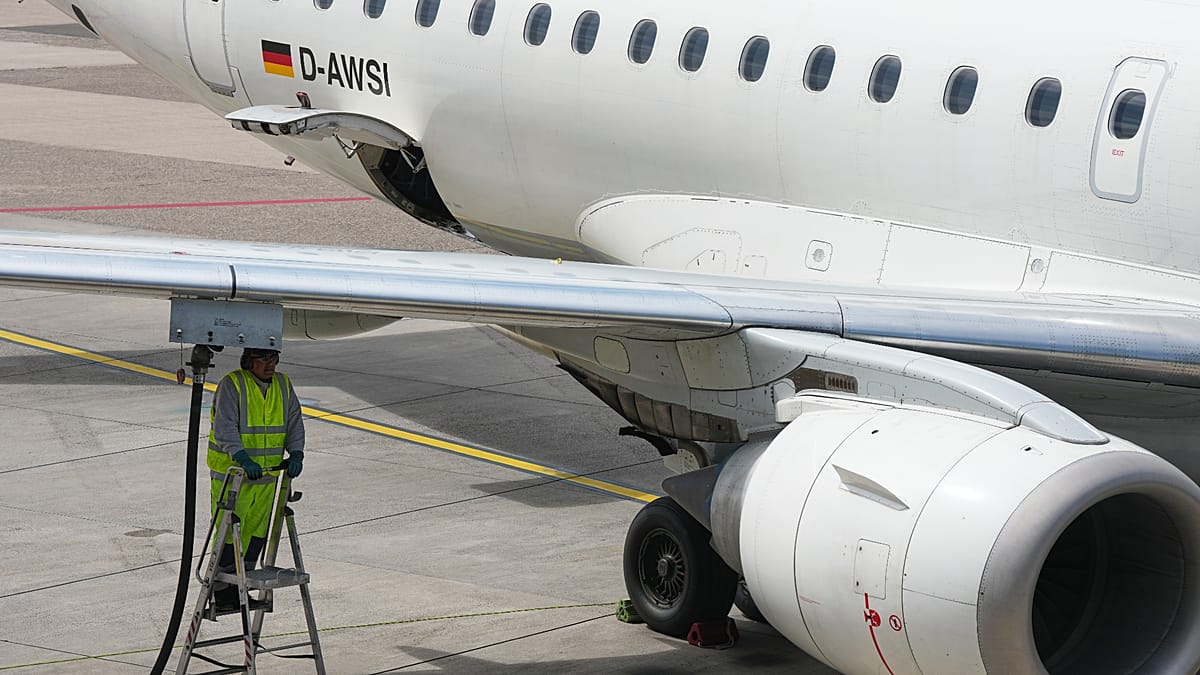
The European Union’s Aviation Safety Agency (EASA) warned Europe’s aviation sector on Friday that potential shortages of domestic aviation fuel could force airports and airlines to adapt to a different type of fuel across regions — a scenario that would require heightened safety measures.
ADVERTISEMENT

ADVERTISEMENT
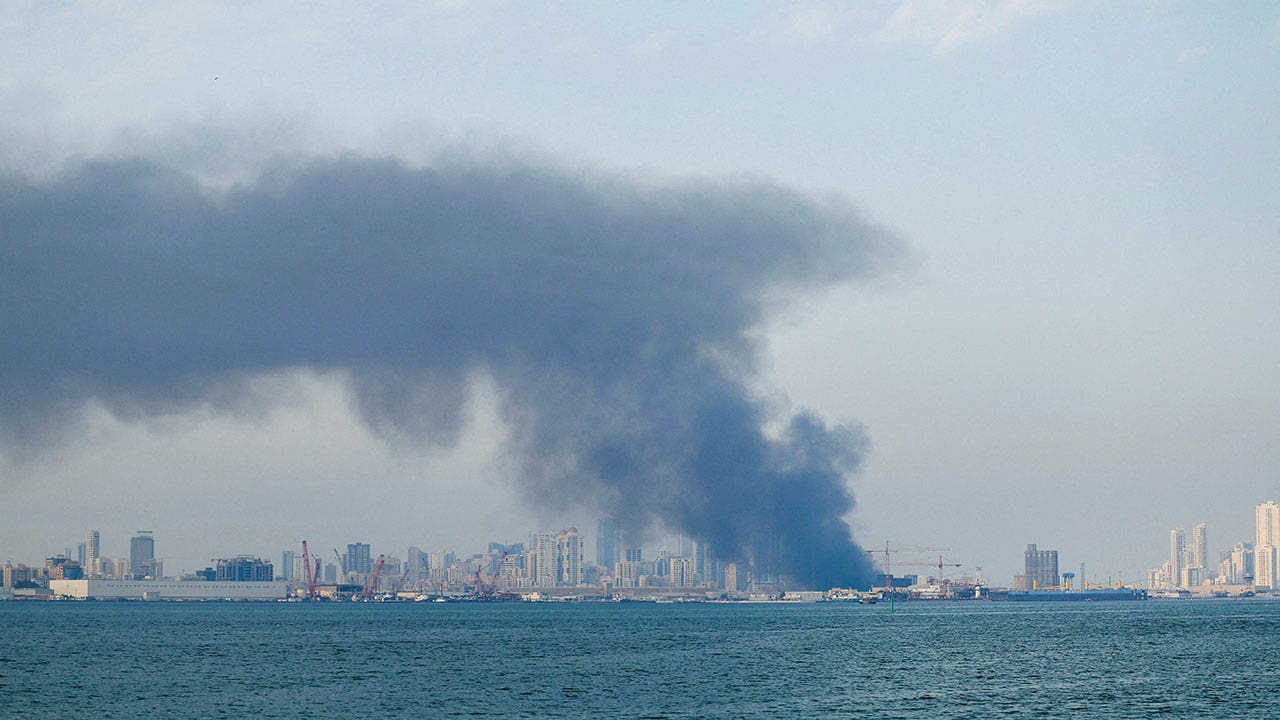
The warning followed alerts from European airlines that fuel shortages could take place within weeks if disruptions in the Middle East persist. In response, the EU is considering contingency plans, such as importing more jet fuel from the United States, which uses a different fuel specification from Europe.
At the centre of the shift is a subtle but critical technical distinction: Jet A-1 — the dominant aviation turbine fuel used across Europe, Africa, Australia and much of Asia — has a lower freezing point than Jet A, the grade more commonly used in the United States and Canada.
While both fuels are approved for many aircraft types, EASA warns that assumptions built into European infrastructure, procedures and crew training have been based almost entirely on Jet A-1 operations.
The EU aviation agency’s guidelines stop short of imposing mandatory rules but they amount to a coordinated warning to airlines, airports, fuel suppliers and regulators that the transition could create operational and human-factor risks if not tightly controlled.
EASA urges attention during transition period
The EU aviation safety agency has no major concerns about the safety of Jet A fuel, citing its daily use across North America. However, the EU regulator fears confusion during a mixed-fuel transition period — especially where flight crews, fuel handlers or electronic dispatch systems mistakenly assume an aircraft has received Jet A-1 when it has actually been fuelled with Jet A.
Such errors could have “serious operational implications”, EASA warns, reducing safety margins during long-haul, high-altitude operations over cold regions.
EASA further warns that inaccurate fuel information could lead crews to misjudge fuel temperature limits, delay contingency actions or operate outside safe parameters.
Human factors also feature heavily throughout the document. The EU aviation agency repeatedly warns against the simplistic assumption that “jet fuel is jet fuel,” arguing that insufficient training or poor visibility of fuel-grade information could lead pilots and ground crews to make dangerous operational assumptions.
EU agency aviation’s recommendations
In response, the regulator issued a broad set of recommendations covering the entire aviation fuel chain.
Fuel suppliers are urged to maintain Jet A handling standards as close as possible to existing Jet A-1 procedures, including preserving fuel traceability. Airports are told to introduce clear grade markings, publish fuel changes and coordinate transitions across all fuel providers on site.
Airlines are being advised to review crew training, dispatch procedures, flight-planning assumptions and contingency planning for operations involving Jet A. Operators are also urged to inform pilots whenever airports that historically supplied Jet A-1 begin offering Jet A instead.
Aircraft manufacturers were asked to reassess the behaviour of mixed Jet A and Jet A-1 fuel loads inside aircraft tanks, especially regarding freezing characteristics and warning thresholds.
Despite the seriousness of the warning, EASA stressed that the situation does not currently require new legislation or emergency operational orders. Instead, the guidelines are framed as a temporary and precautionary response to evolving market pressures.
EASA said it expects to revisit or cancel the guidance before the start of the next winter season, depending on how fuel supply conditions develop.
Read the full article here