


 Weather
Published on
The EU’s foreign policy branch on Wednesday announced appointments to three key posts, with signs of a strong emphasis on defence and cooperation with NATO as the pressure grows to reform the bloc’s diplomatic service.
ADVERTISEMENT

ADVERTISEMENT
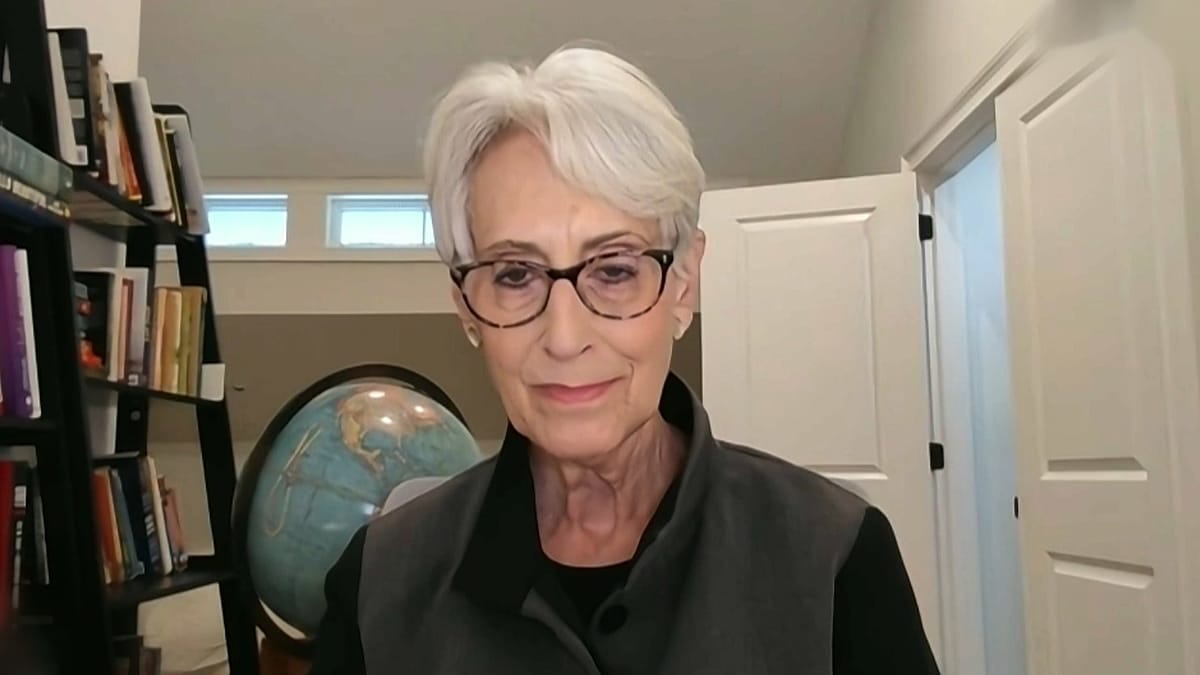
Kajsa Ollongren has been appointed Secretary General of the European External Action Service (EEAS), a position left vacant following the departure of Belén Martínez Carbonell earlier this year.
She is a former deputy prime minister, defence minister and interior minister of the Netherlands, and currently serves as the EU special representative for human rights.
The post of deputy secretary general for geoeconomics and interinstitutional issues – a new position created under last year’s EEAS reorganisation to oversee relations with member states’ ambassadors – was awarded to Matti Maasikas, who had been acting in the role pending a final appointment.
Maasikas was the EU ambassador to Kyiv when Russia launched its full-scale invasion of Ukraine in 2022. He has also served as Estonia’s deputy minister for EU affairs and secretary general of its Ministry of Foreign Affairs.
For the post of deputy secretary general for peace, security and defence, the EEAS turned to France’s ambassador to NATO, David Cvach. He previously advised the French president on Middle East affairs, including Iran, and served as director for European affairs at France’s Ministry for Europe and Foreign Affairs.
“The key priority for this mandate is defending Europe, defending Ukraine. We have to deliver on that. And for that, to bring in the people who have the best knowledge and the best experience is very important,” an EU official said.
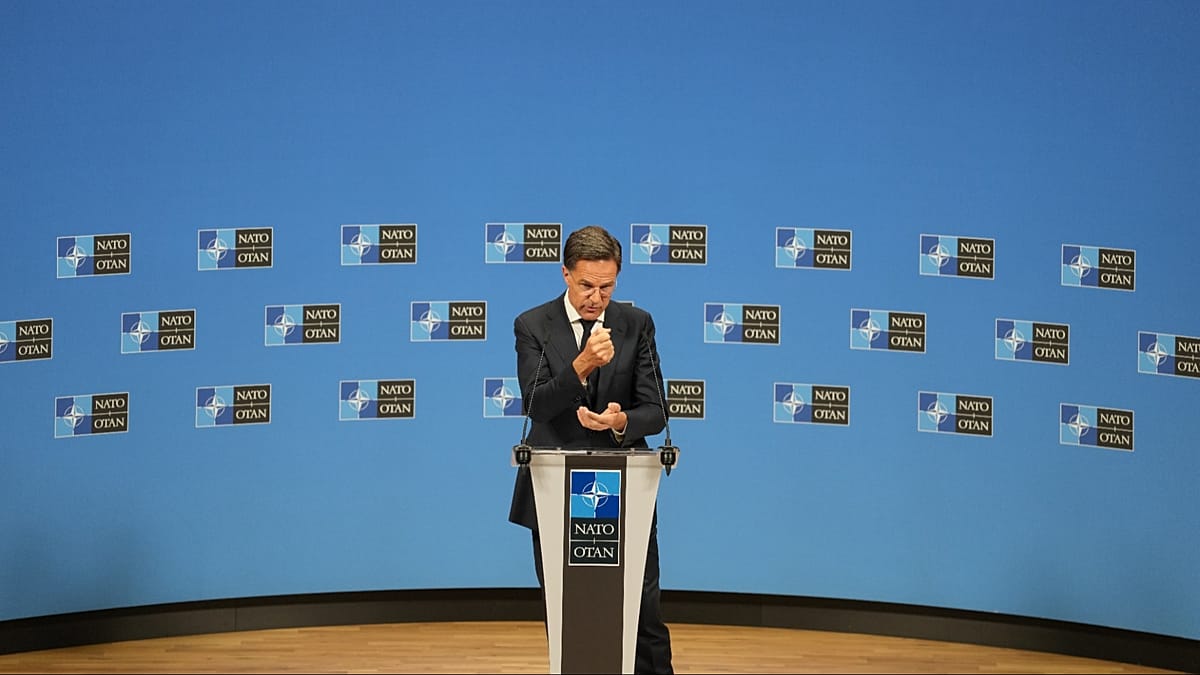
“It is also deliberate that these are people who will make our cooperation with NATO even stronger. Because at the time that we are working on building European defence, it has to be done hand in hand with NATO.”
The appointments also reflect a mix of backgrounds spanning the civil service, political roles and high-level relations with member states, seen as crucial to keeping the EU’s diplomatic machinery running smoothly.
They come as the EEAS has been under increasing pressure, with the European Commission, headed by President Ursula von der Leyen, increasingly attempting to involve itself in foreign policy matters, such as relations with Israel.
Earlier this month, some media reports suggested key member states were considering clipping the EEAS’s wings altogether, but that was just one option on the table, alongside strengthening the high representative’s role.
A potential reorganisation of the EEAS, and more broadly how to make the EU’s foreign policy more effective, will be on the agenda at an informal meeting of foreign affairs ministers in Ireland at the start of September.
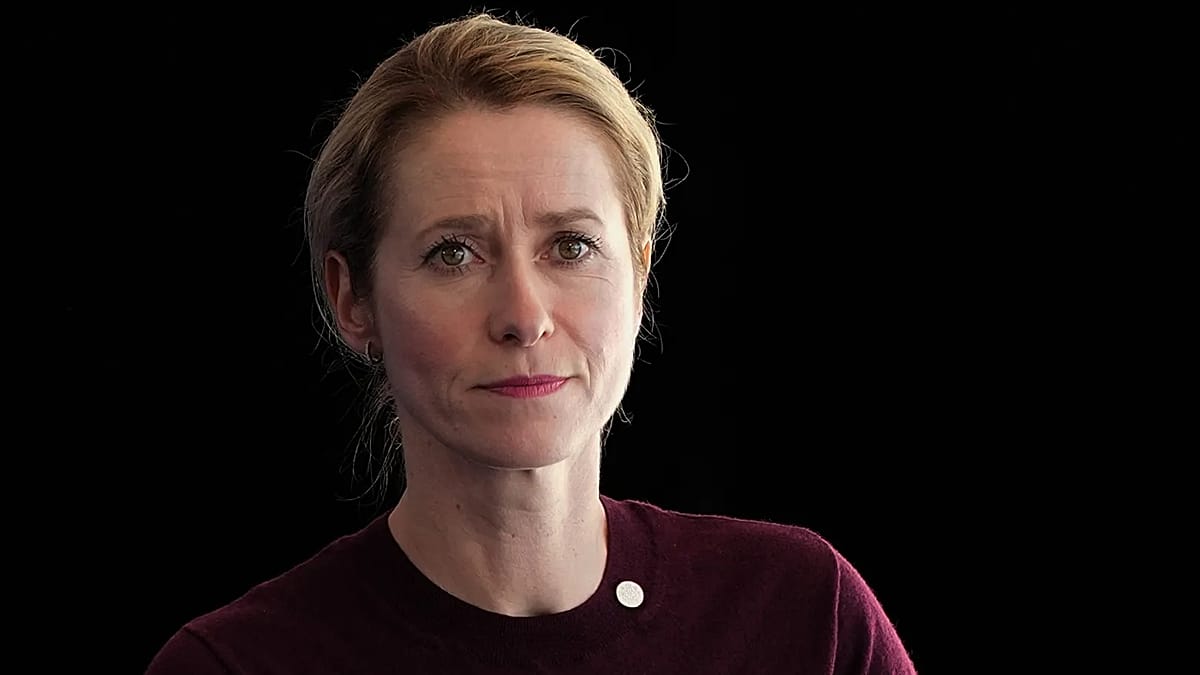
“It’s very much a priority for (High Representative/Vice President Kaja Kallas) to work with a new team to see how to make the EEAS work better, deliver better for the member states, deliver for the other institutions,” the EU official said.
Read the full article here