



 Weather
Published on
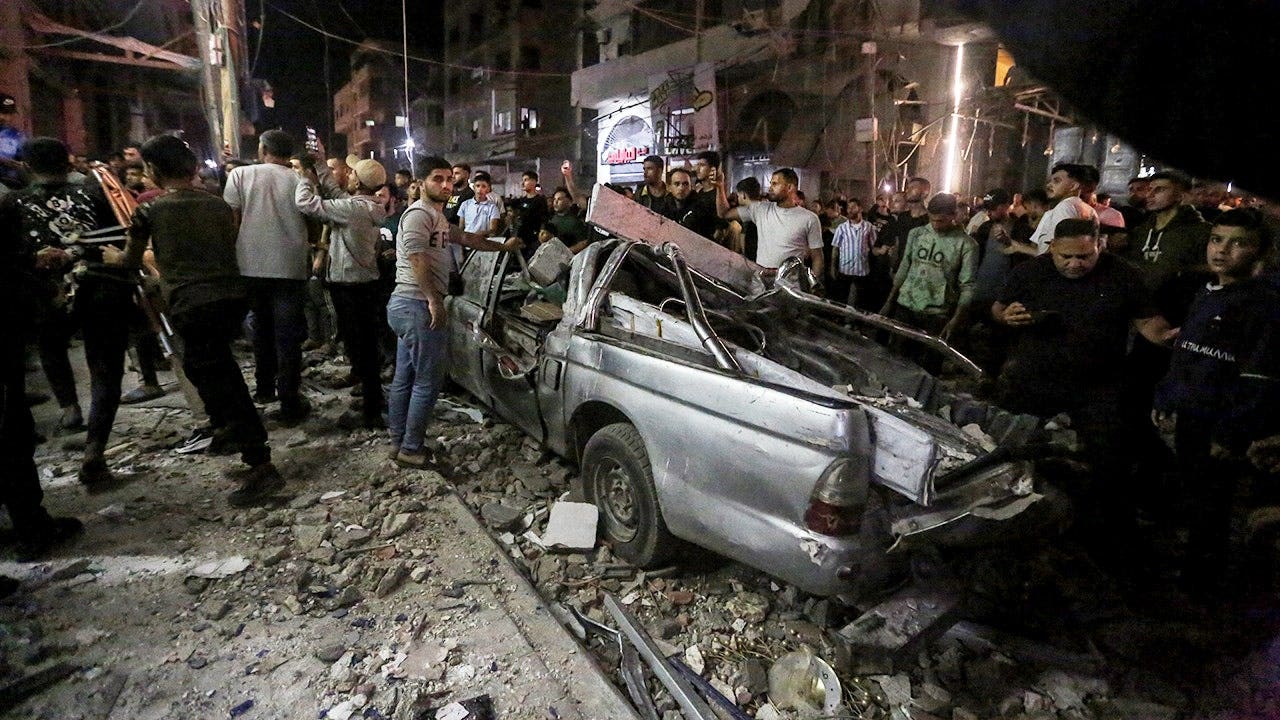
European countries have roundly rejected Russia’s threat against diplomats based in Kyiv and confirmed their representations would continue to operate without interruption.
ADVERTISEMENT

ADVERTISEMENT
Germany, France, Spain, Poland, the Netherlands, Sweden, Estonia and the European Commission are among those that have summoned Russia’s ambassadors to convey their outrage after the Kremlin published a notification urging foreign citizens and diplomatic staff to leave Kyiv “as soon as possible” ahead of fresh air strikes.
“Through its actions, Russia demonstrates daily its cynicism and contempt for international law,” the French Foreign Ministry’s spokesperson said on Wednesday.
“France strongly condemns Moscow’s intimidation tactics, which are proof of the military impasse in which the country finds itself in Ukraine.”
Spain also pushed back, handing the Russian ambassador in Madrid a “strong complaint” over the public threat against diplomats and the recent large-scale attack on Kyiv, sources close to the foreign ministry said.
“The Spanish Government, in coordination with its partners in the European Union, has reiterated its support for Ukraine’s right to self-defence and has urged Russia to halt its aggression, respect international humanitarian law and negotiate in good faith a just and lasting peace,” the sources said.
The German Foreign Office, Dutch Foreign Minister Tom Berendsen and Estonian Foreign Minister Margus Tsahkna took to social media to announce the summons.
“Threatening diplomats, foreigners, and civilians is unacceptable and a blatant violation of the UN Charter. Russia’s attempts at intimidation only expose its true face,” Tsahkna posted. “Our embassy remains open, our diplomats stay in Kyiv.”
Meanwhile, the Polish Foreign Ministry warned in a statement that any strike on its diplomatic missions would be “considered deliberate and intentional”.
Amid the outrage, Moscow doubled down.
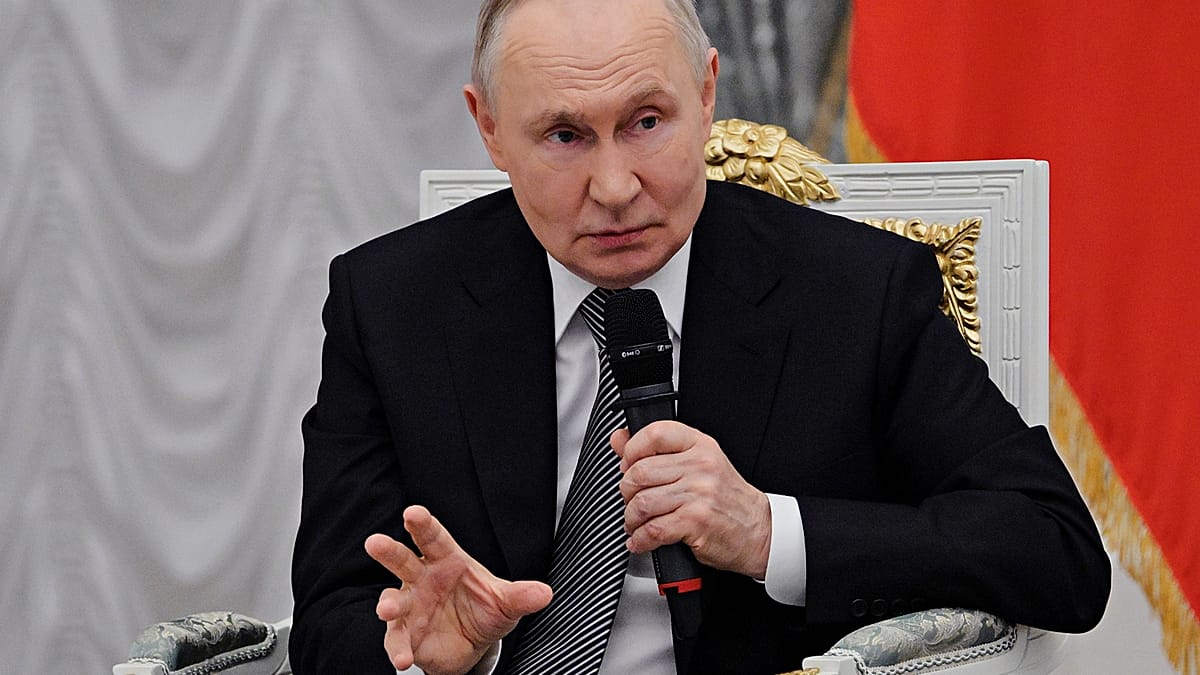
“The EU has said it will maintain its diplomatic presence in Kyiv unchanged, despite Russia’s warnings. Well, apparently they’ve got diplomats to spare and need to trim the headcount,” Dmitry Medvedev, deputy chair of the Russian Security Council, said.
The threat has shifted the ongoing debate among capitals on whether the EU should engage in direct talks with Russia to bring the invasion of Ukraine to an end.
“Russia is absolutely not interested in any peace,” the European Commission said.
Read the full article here