




 Weather

Published on
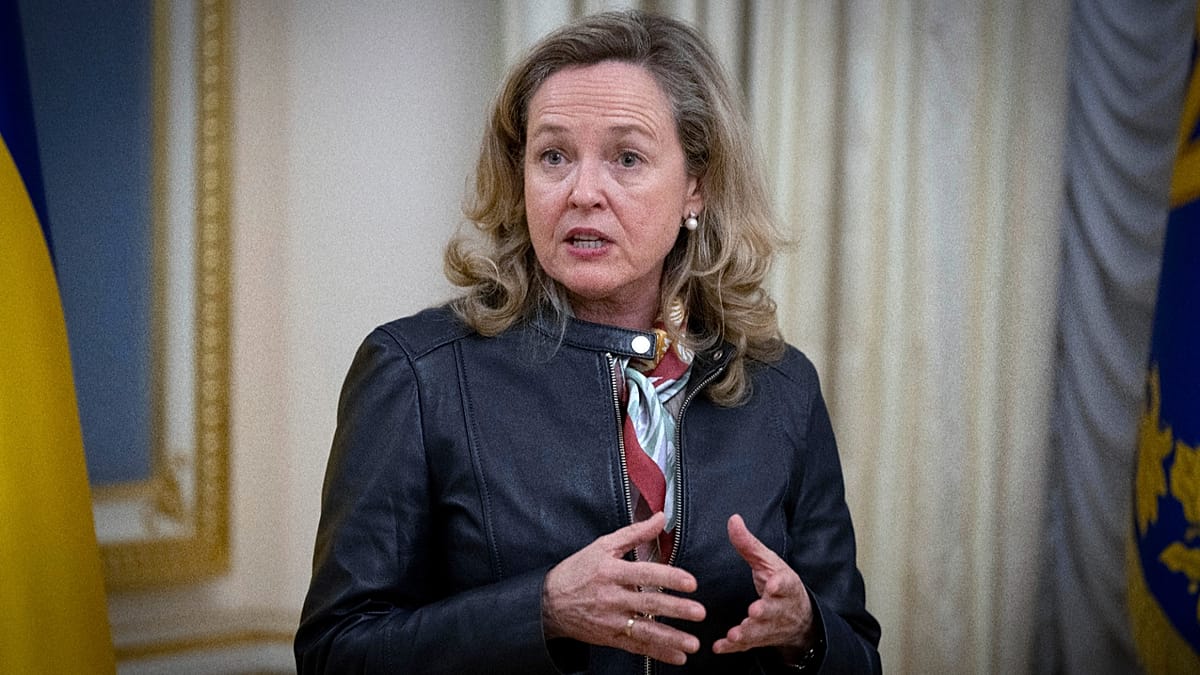
European Commissioner for Competition Teresa Ribera said on Thursday that enforcement of the Digital Markets Act (DMA), the European Union’s landmark antitrust regulation on digital markets, involves treating big tech cases in a “discreet manner.”
Her comments come as the DMA faces constant attacks from the Trump administration, which argues that the EU’s rules constituted a “non-tariff barrier” and amount to discrimination against tech companies based in the United States.
“There have been many problems that have been solved in a very discreet manner, benefiting all the consumers,” Ribera told reporters. “It is something that has made important changes in the way these companies behave and operate the services.”
The DMA, in force since 2023, targets large platforms designated as “gatekeepers” to curb big tech dominance. It blocks platforms from favouring their own products to give consumers more choice outside tech giants’ own “ecosystems”.
Commission gives guidance to big tech
Since the DMA came into effect, the Commission has opened several cases against US tech giants, fining Apple €500 million and Meta €200 million. Companies risk fines of up to 10% of annual global turnover if they fail to comply with the DMA.
Washington says Brussels is singling out US companies for enforcement, but the EU insists the rules are nationality-neutral and apply to all gatekeepers.
However, the fines issued under the DMA to date have been relatively modest. The Commission has rejected claims this a result of US government pressure, instead saying it reflects the short duration of infringements and the recency of the act’s implementation.
The Commission also offers companies a chance to avoid sanction, issuing guidance when companies apply DMA obligations in an insufficient manner and giving them the opportunity to adjust practices through dialogue with EU enforcers.
Last Tuesday, Google was in the spotlight. Brussels issued specifications on how to let online search rivals and AI developers access its services.
“We want to help Google by explaining in more detail how it should comply with its interoperability and online search data sharing obligations,” Ribera said.
Apple received similar instructions two years ago on opening its walled ecosystem.
In November, US Commerce Secretary Howard Lutnick urged Brussels to take a “balanced approach” to digital rules it if wanted to unlock fraught negotiations on US tariffs.
Tensions remain high: after US President Donald Trump slapped tariffs on EU exports in early 2025, the EU faced 50% duties on steel and aluminium, despite last summer’s deal capping US tariffs at 15% on EU goods.
Read the full article here