




 Weather
Published on
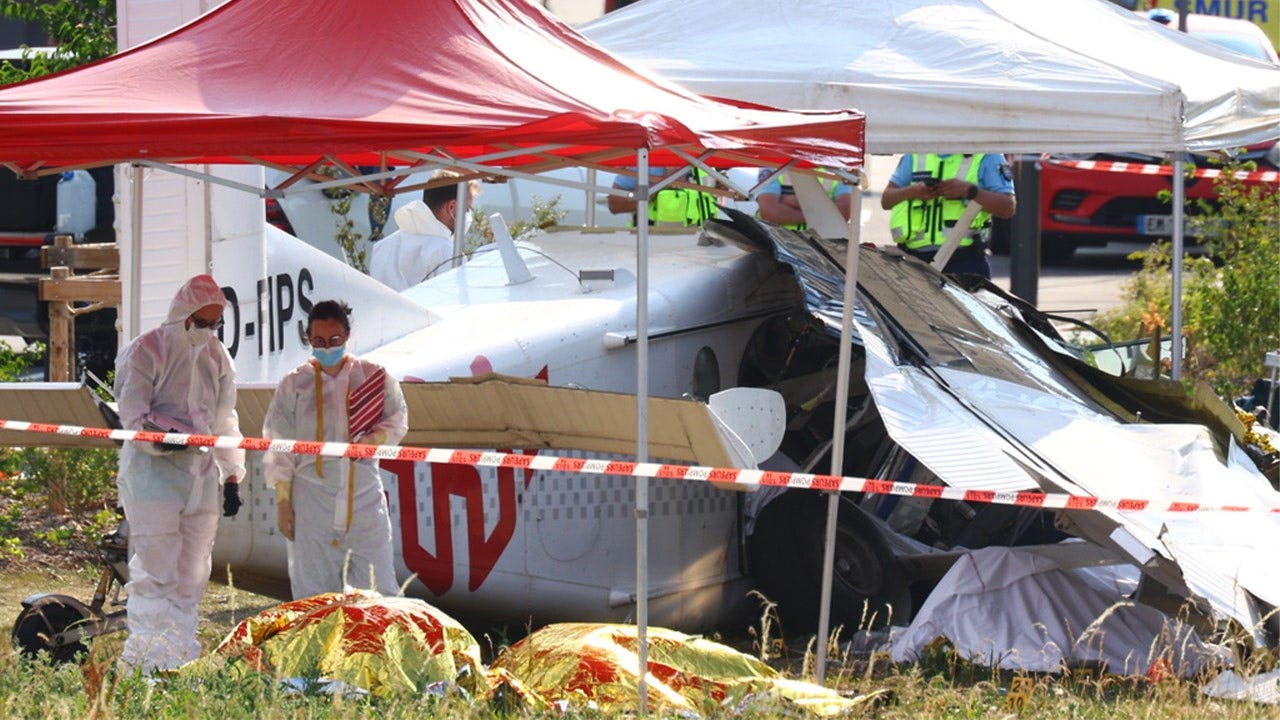
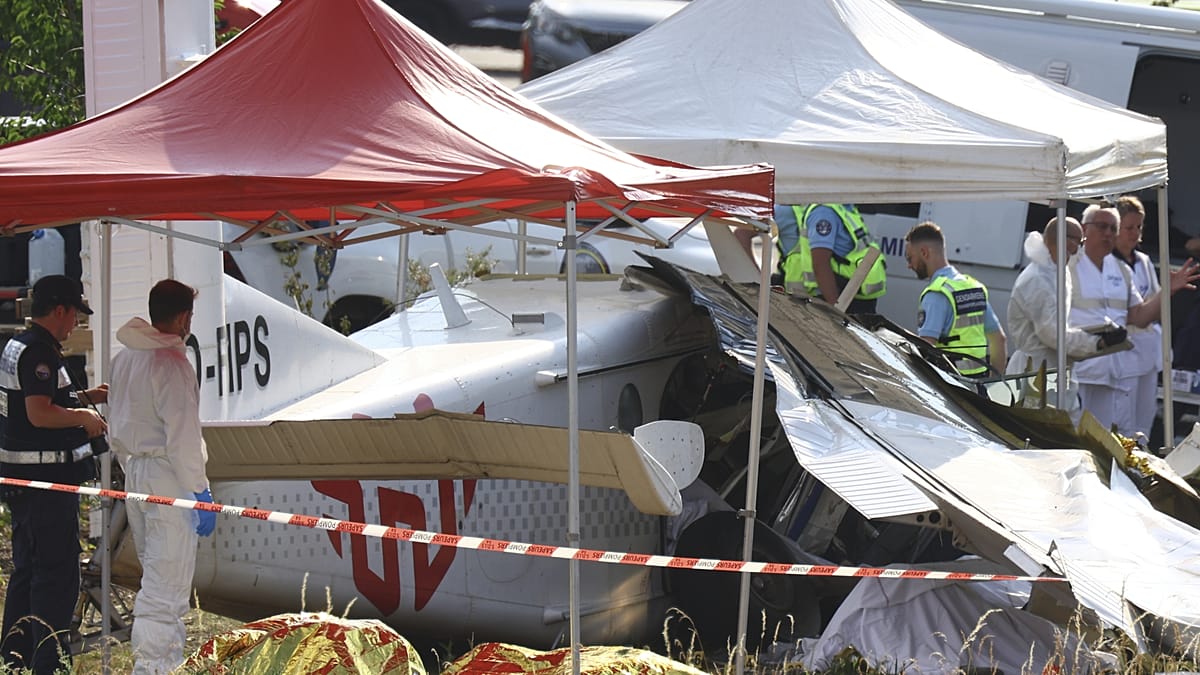
A light aircraft crashed in the municipality of Tomblaine, near Nancy, on Sunday 28 June 2026. Just minutes after taking off at around 11 am, a Pilatus PC-6 plunged almost vertically before coming down near a cycle path in a residential area close to the airport.
ADVERTISEMENT

ADVERTISEMENT
11 dead
All eleven people on board were killed. According to the prefect of Meurthe-et-Moselle, Yves Séguy, the aircraft “was carrying out parachute jump exercises when it suffered a malfunction that clearly caused the crash.” It then “fell almost vertically, on the very edge of a housing estate, right next to the aerodrome.” Those on board were five instructors, five student parachutists and the pilot. A source close to the investigation told AFP that the students were a group of self-employed nurses taking part in their first parachute jump.
French interior minister Laurent Nuñez said some of the victims’ families had been at the airport at the time. “Some of them saw the aircraft fall, which adds to the shock,” he said.
Despite the crash occurring in a residential area close to a large supermarket, there were no casualties on the ground. Psychological support has been made available for witnesses, and the victim support associations Paris Aide aux Victimes and France Victimes 54 have been called in to assist the families.
No black boxes
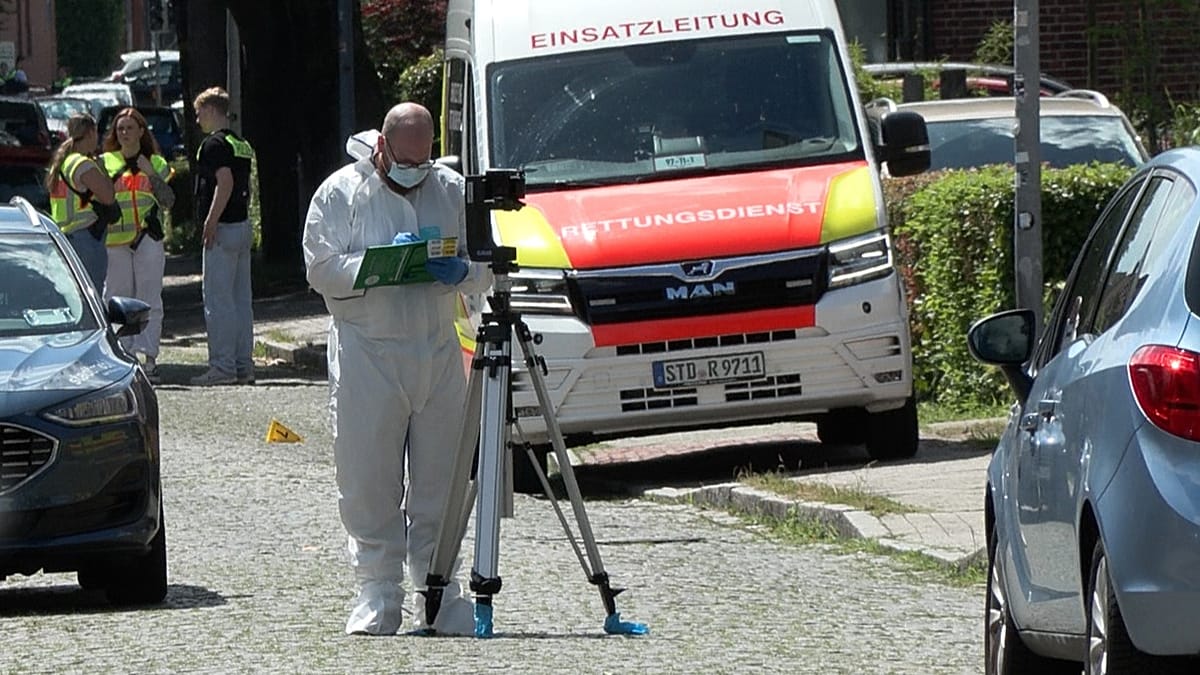
The collective accidents unit of the Paris public prosecutor’s office has taken charge of the case and entrusted the investigation to the Air Transport Gendarmerie. Fifteen specialist officers, including forensic identification technicians and air accident investigators, are currently deployed.
Investigators are required to retrieve communications with the control tower, analyse radar data, gather witness statements and examine the aircraft’s technical condition and maintenance history. However, the investigation is expected to be challenging: aviation consultant and Aviation Sans Frontières president Gérard Feldzer told France Info that the aircraft was not fitted with black boxes. According to information he has obtained, there were also no exchanges between the pilot and the control tower before the crash.
The aircraft came down just 300 metres from the runway. Witnesses in the area reported that the engine cut out very shortly after take-off, at too low an altitude for the pilot to have had time to react. Investigators are therefore relying on photographic and video material, including any footage captured by passengers or bystanders on the ground, to help reconstruct the final moments of the flight.
France’s civil aviation safety investigation authority, the Bureau d’Enquêtes et d’Analyses (BEA), has described it as “the most serious general aviation accident in terms of loss of life” in the country – a category covering all civil aviation activities outside commercial transport.
Read the full article here