





 Weather
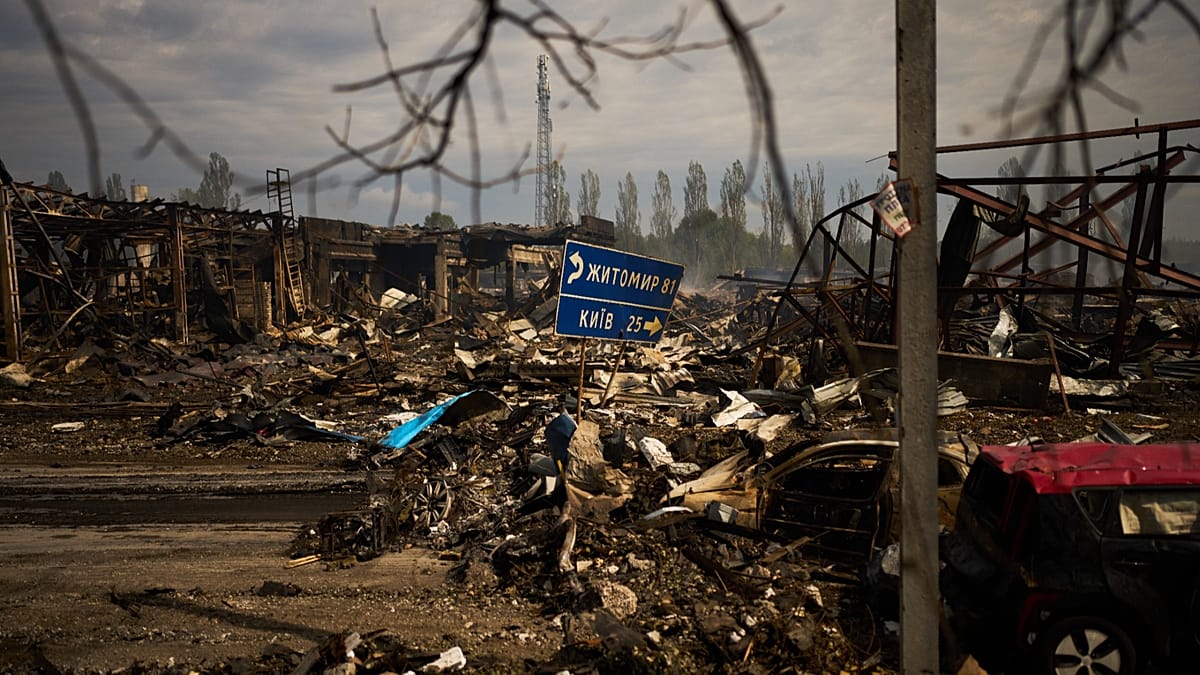
EU defence ministers gather in Wicklow this morning to kick off a week of informal yet high-level gatherings, following a summer marked by a surge in security incidents across the continent.
ADVERTISEMENT

ADVERTISEMENT
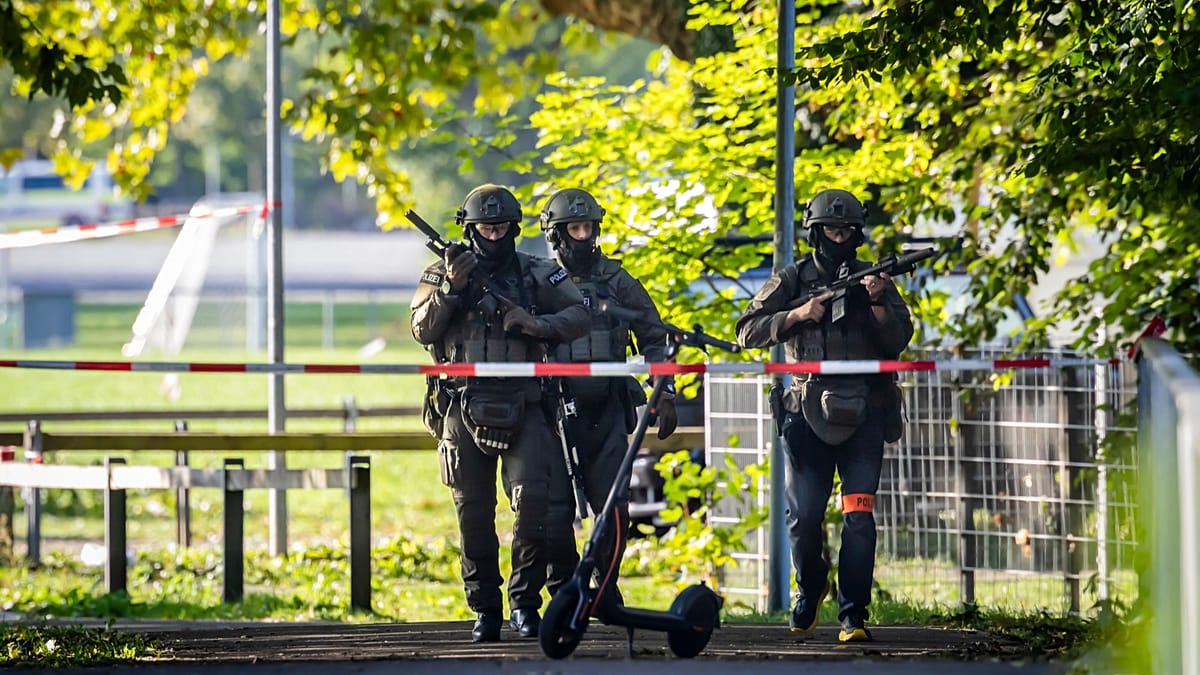
At centre-stage this morning is the expectation, as our correspondent Shona Murray reports from the ground in Ireland, that Berlin will formally blame Russia for a suspected drone attack targeting a Ukrainian cargo aircraft carrying military supplies at Leipzig/Halle airport in early August. Reports suggest an explosives-laden drone, apparently intended to detonate, was found near the aircraft.
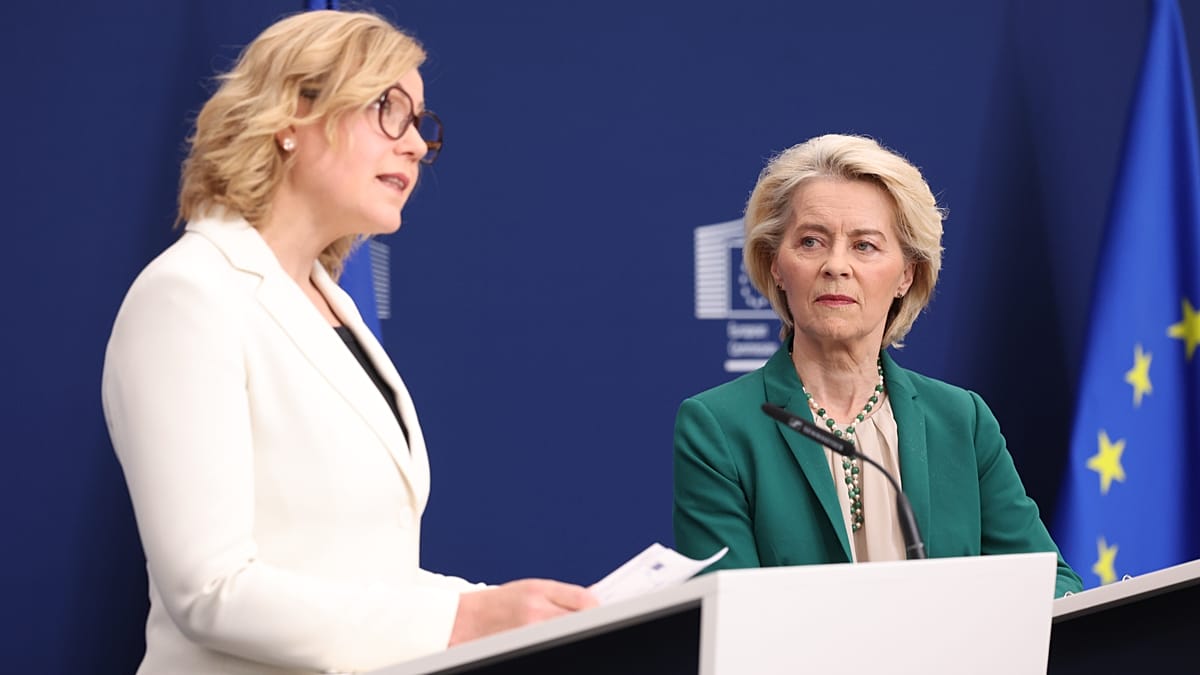
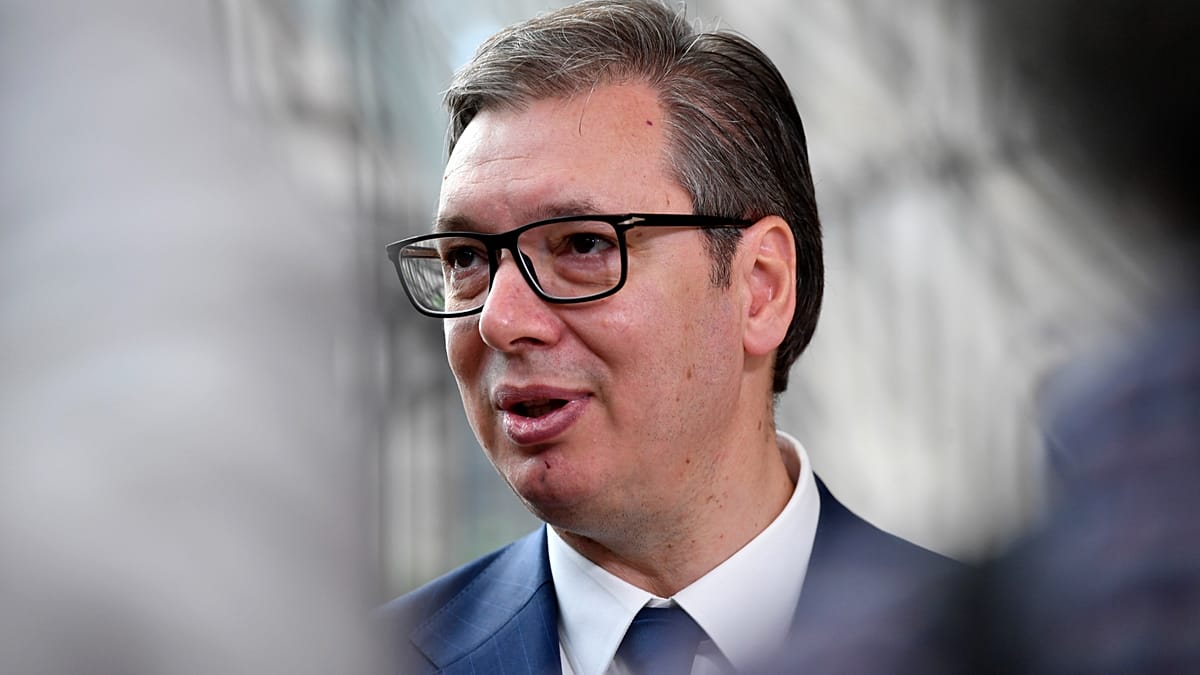
Speaking to Shona in an interview, Swedish Foreign Affairs Minister Maria Malmer Stenergard offered a stark assessment of the threat.
‘Most serious’ security situation since WWII: “This is extremely serious. We are in the most serious security situation since the Second World War,” she said. “We take the drone incidents in Leipzig extremely seriously, and we are in close contact with our German friends.”
“I really don’t like the term hybrid threat because it sounds like an environmentally friendly car when it’s something completely different,” she added.
Today’s talks also come amid speculation that Russia could be looking to escalate its hybrid operations in Europe into a broader confrontation – speculation that NATO and European officials are pushing back against, as our correspondent Sasha Vakulina explains.
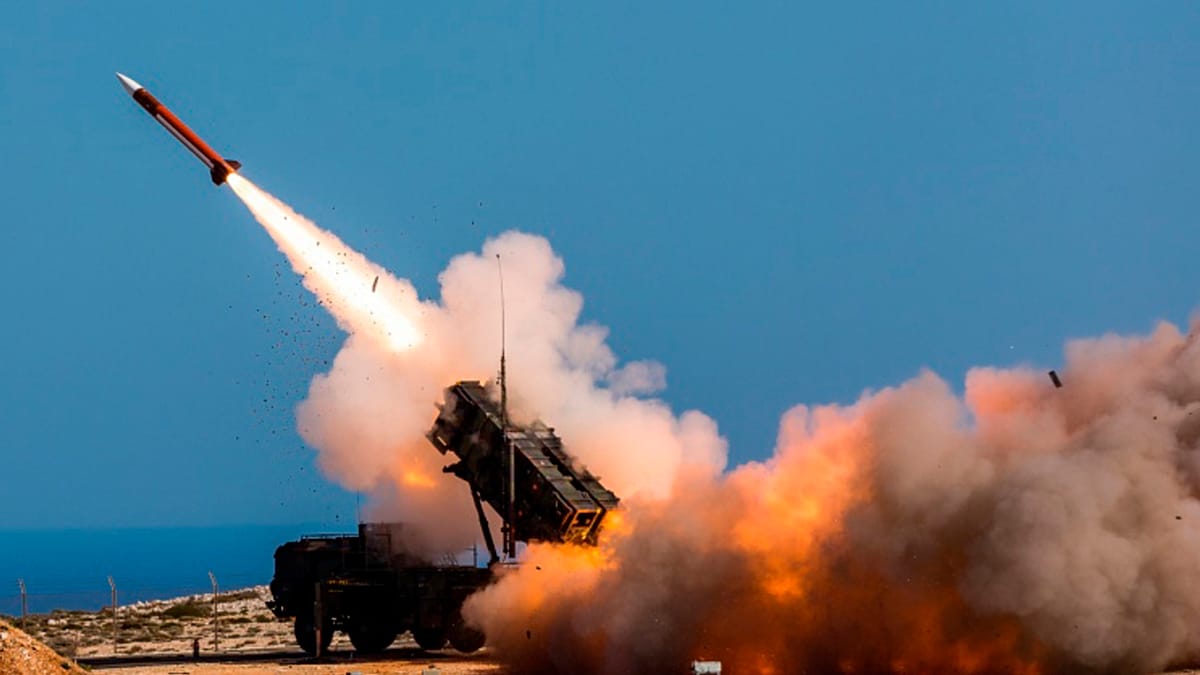
Pressure for Patriots: Ministers will also discuss the EU’s military support to Ukraine, with countries that still hold significant stocks of interceptor missiles – such as Greece and Spain – expected to face pressure from the European Commission to transfer them to Ukraine, EU officials told our correspondent Angela Skujins.
One EU diplomat, speaking to Angela on condition of anonymity, said the issue of Madrid and Athens keeping a tight grip on their Patriot interceptors is not new. But the issue is gaining pace, with Zelenskyy voicing louder requests for interceptors. The Patriot issue has proven to be the “debate of the summer”, the diplomat said. Angela hasthe details.
Later tonight, the EU’s foreign affairs ministers will arrive for dinner before they hold discussions tomorrow in an informal format known as ‘Gymnich’, with their Canadian, British, Norweigan and Ukrainian counterparts joining them.
They will have to grapple with increasing doubts over Europe’s capacity to financially support Ukraine. There is now broad consensus that the bloc’s €90 billion loan to Kyiv, agreed last December and approved in April, will not be enough to cover the war-torn country’s needs as Russia ramps up its offensive.
The frozen asset debate returns: Stockholm is leading calls for the European Commission to revisit the idea of using immobilised Russian state assets – most of which are held in the Belgium-based securities depository, Euroclear – to fund Ukraine.
Reminder: EU leaders agreed in December on a €90 billion interest-free loan to Ukraine financed through joint EU borrowing in order to plug Kyiv’s widening financial gap. The European Commission had first proposed channeling immobilised Russian state assets as a so-called ‘reparations loan’ to Kyiv, but the proposal ultimately stalled due to Belgian concerns over legal and financial risks.
Sweden, Netherlands, Spain and Poland last week signed a letter asking the Commission to explore “new options” to tap into the funds, effectively reviving a complex debate that only recently pushed the bloc into a political showdown. Although not signatories, the Baltic states, Denmark, Finland and Germany are considered supportive of the move.
Sweden’s Malmer Stenergard told Shona: “We are not providing enough support (to Ukraine) bilaterally or through the EU. And then what is left is the frozen assets.”
She added that she took the Belgian concerns “very seriously” and assured that Belgium would not be “left alone with the risks”.
“We have to move on because this is what is fair to Ukraine. It’s what is fair to the taxpayers,” she explained. “And we have to find a way to make sure that Belgium feels comfortable with this. That is why we are asking the Commission (…) to present proposals that ensure that we share the risks.”Watch.
European outrage in North Carolina: Meanwhile, the Trump administration’s decision to invite Russia’s Finance Minister Anton Siluanov to Monday’s G20 talks in Asheville, North Carolina, has irked European leaders and revived transatlantic tensions over the US’s approach towards Moscow.
Surprise appearance: Reports suggest European ministers and central bankers were kept in the dark about the US decision to invite Siluanov. Ministers also opposed appearing alongside their Russian counterpart in the traditional family photo, which was eventually taken without Siluanov.
US Treasury Secretary, Scott Bessent, reportedly told the Russian minister that there would be no new deals or sanctions relief until the war in Ukraine ends, relieving European fears that the Trump administration could be looking to bring Russia back into the international financial fold.
Also, fresh in this morning: Spanish Socialist MEP Juan Fernando López Aguilar has told our morning show that it’s “obvious” that the mass entry of migrants into the Spanish enclave of Ceuta over the summer “couldn’t have happened without some overlooking of the Moroccan authorities” – even as Prime Minister Pedro Sánchez continues to avoid pointing the finger towards Rabat. “If we want to keep up our strategic association with Morocco, we need to ask Morocco to behave,” he said.
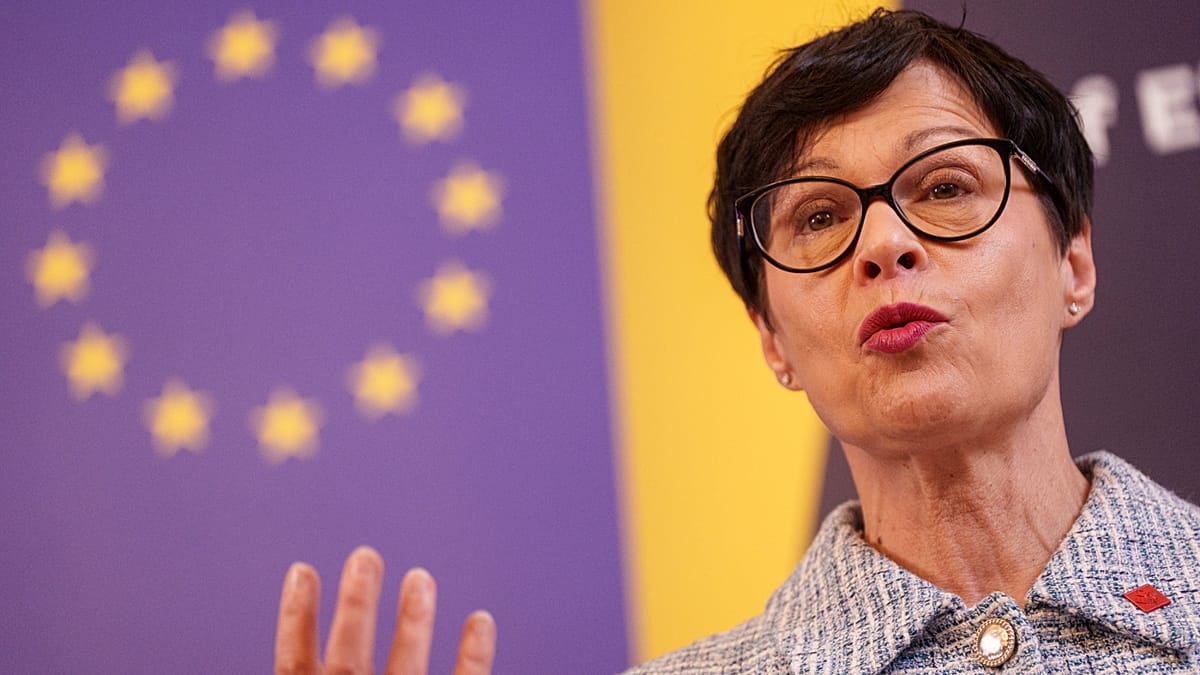
Greens co-President Terry Reintke meanwhile told us that the EU may have made a mistake by distancing itself from the campaign ahead of this weekend’s Icelandic referendum on reviving EU accession talks. “European politicians should maybe have been more active in the debate,” she said. “Looking back, I think we should have maybe taken a bigger part in this discussion” Watch.
Romania set to lose €770 million in EU funds over political deadlock
Romania is set to lose at least €770 million in EU funds after political disagreements prevented the country from meeting a key deadline in its post-pandemic recovery plan, my colleague Vincenzo Genovese reports.
The main political parties failed to reach a consensus on a new public-sector salary law before the 31 August deadline for completing reforms linked to the National Recovery and Resilience Plan.
According to EU sources, the missed deadline will cost Romania around €770 million, to be deducted from the €8.44 billion in EU funds still due to the country – around 40% of the entire €21.41 billion recovery plan.
The final calculation of the financial loss will be made during the European Commission’s assessment of Romania’s final payment request, which must be submitted by the end of September. Vincenzo hasthe details.
Meanwhile Hungary says it has fulfilled all the milestones required to receive its €10 billion allocation in post-Covid recovery funds. The EU executive needs to evaluate Budapest’s payment requests before any of the cash can be released, likely later this year. Sándor Zsiros has more.
MORE FROM OUR NEWSROOMS
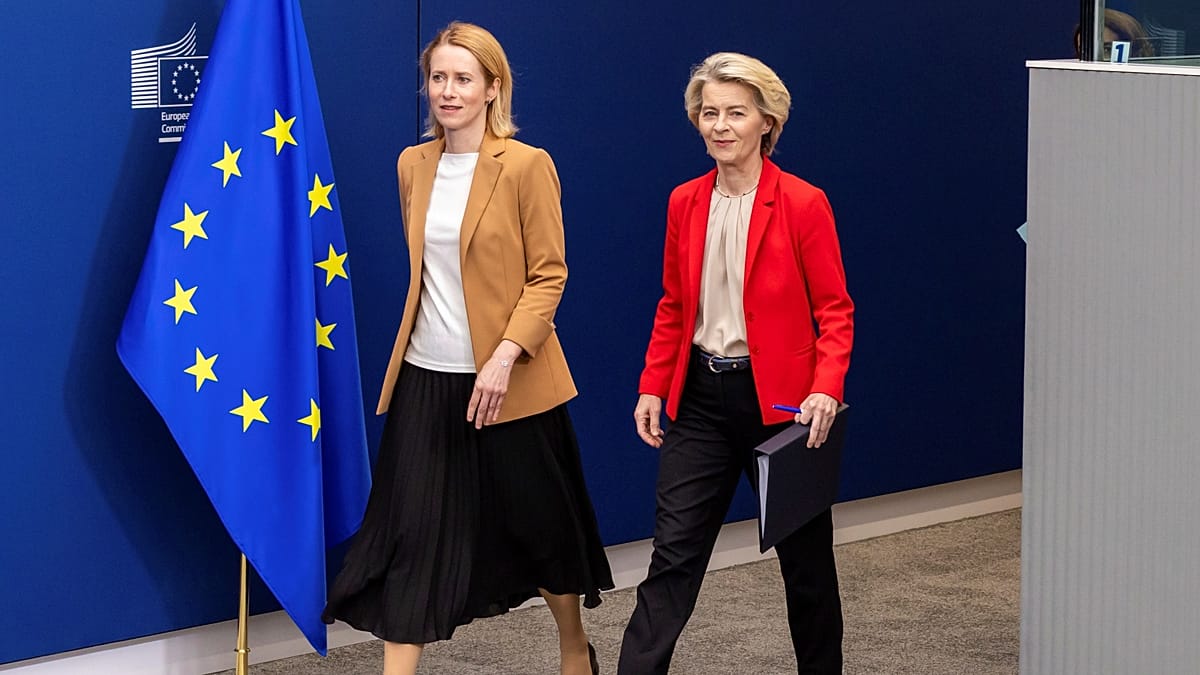
Germany and France float plan to bring Kallas under von der Leyen’s supervision. Berlin and Paris have floated a joint plan to bring High Representative Kaja Kallas under the direct supervision of European Commission President Ursula von der Leyen as part of an overhaul of the European Union’s foreign policy, Jorge Liboreiro reports.
Magyar says EU must decide whether to ‘survive or win’ and slams Brussels’ lack of leadership. Hungarian Prime Minister Péter Magyar told the Bled Strategic Forum that the EU faces a leadership crisis and must make crucial decisions on its future. He also criticised Brussels’ daily migration fines against Hungary, calling them unfair despite a 2020 EU court ruling. Sándor Zsiros has more.
Schengen strained, solidarity broken and return hubs disputed: EU struggles again with migration. After a troubling summer marked by the Ceuta crisis, EU countries are scrambling to find solutions for migration management.The reintroduction of border checks, deportation centres outside the bloc, and redistribution of migrants will feature in a heated debate this autumn, as Vincenzo Genovese explains.
We’re also keeping an eye on
- EU defence ministers gather for an informal meeting in Wicklow, Ireland
- Members of the European Parliament to debate the summer’s heatwaves with the European Commissioner for Preparedness and Crisis, Hadja Lahbib.
- The Bled Strategic Forum continues in Slovenia
That’s it for today. Shona Murray, Angela Skujins, Sasha Vakulina, Vincenzo Genovese and Sándor Zsiros contributed to this newsletter.
Read the full article here