





 Weather
NEWYou can now listen to Fox News articles!
U.S. officials have for years warned that Hamas has exploited ostensibly civilian and humanitarian funding streams to support its terrorist infrastructure, fueling concerns over whether money entering Gaza can be kept out of the terror group’s hands as a new U.S.-backed governing structure prepares to take control.
The Treasury Department has repeatedly targeted what it describes as Hamas financing networks, including a secret investment portfolio, sham charities and organizations that raised money under the guise of humanitarian work while supporting Hamas’ military wing.
Those concerns resurfaced this week after Israel’s Kan News reported that a provision in the Board of Peace’s Gaza roadmap could allow up to $400 million to address unpaid obligations accumulated during Hamas’ rule, including money owed to public-sector workers, suppliers and contractors.
The dispute is over whether a successor government can settle legitimate obligations inherited from nearly two decades of Hamas rule without indirectly benefiting the terrorist group. Critics warn that doing so could relieve financial burdens associated with Hamas’ rule or create opportunities for the group to siphon off resources while it retains influence on the ground. Board officials argue the mechanism is instead designed to allow a successor government to preserve essential services and relationships with legitimate workers and suppliers — with each claim individually vetted and any payment that could benefit Hamas rejected.
TRUMP ADMINISTRATION PROBES UNRWA OVER ALLEGED EMPLOYMENT OF 1,500 TERRORISTS
Nickolay Mladenov, the Board of Peace’s high representative for Gaza, sharply rejected the characterization that the provision amounted to a financial agreement with Hamas.
“The claims that there is a financial agreement between the Board of Peace and Hamas are false,” Mladenov wrote in Hebrew on X Wednesday, adding that no such proposal had been “discussed, negotiated, or considered.” He said the Board’s objective remained the complete disarmament of Hamas and the establishment of civilian governance backed by an international security presence.
Sen. Ted Cruz, R-Texas, told Fox News Digital that he remained alarmed by the provision.
“I’m deeply concerned about these reports. Terrorists use money as fungible and they build credibility by having international donors finance their debts, which is why Congress long ago banned money from going to Palestinian governments in the West Bank,” Cruz said.
“We also know that international donors paid for Hamas to build terrorist infrastructure across the Gaza Strip in the first place, and shouldn’t be trusted to direct reimbursement money,” Cruz continued. “Hamas should be utterly eradicated before new resources flow into Gaza.”
HAMAS AGREES TO COMPLETE DISARMAMENT UNDER ‘HISTORIC’ GAZA AGREEMENT: TRUMP
A senior Board of Peace official, speaking to Fox News Digital on background Thursday, pushed back on the premise that the roadmap commits $400 million to paying Hamas’ debts.
“There’s really just a commitment to analyze when we get the data. There’s no commitment to fund anything. We don’t have an obligation to even do $400 million,” the official said.
The official described the provision as a three-year review process, capped at $400 million, under which the successor Gaza administration could determine whether particular unpaid obligations need to be resolved in order to maintain essential services and relationships with legitimate suppliers.
HILLARY CLINTON BREAKS WITH DEMOCRATIC CRITICS BY BACKING TRUMP’S GAZA PLAN AS THE ‘ONLY GAME IN TOWN’
“This notion that there’s, like, a $400 million payoff vehicle, Hamas kind of has a commitment for it — none of that is true,” the official said. “If anybody’s gonna start running with a narrative that a $400 million committed tab is beginning now … that would just be incorrect reporting. That’s not the deal.”
“No one’s picking up a tab right now,” the official added, saying any review would take place only after the new Gaza administration gains access to financial records allowing it to determine who the creditors are, what services they provided and whether those relationships are needed going forward.
“Even the first dollar of the $400 million, we’re going to evaluate that first dollar,” the official said. “It’s not going to be a blank check handed to Hamas. It’s going to be evaluated, rigorously analyzed.”
The official compared the process to a corporate restructuring, arguing that while Hamas is being permanently removed from government, the successor administration cannot necessarily walk away from every legitimate obligation accumulated during the previous government’s rule.
HAMAS SAYS IT WILL DISSOLVE GAZA GOVERNMENT, BUT ISRAEL WARNS GROUP STILL SEEKS HEZBOLLAH-STYLE CONTROL
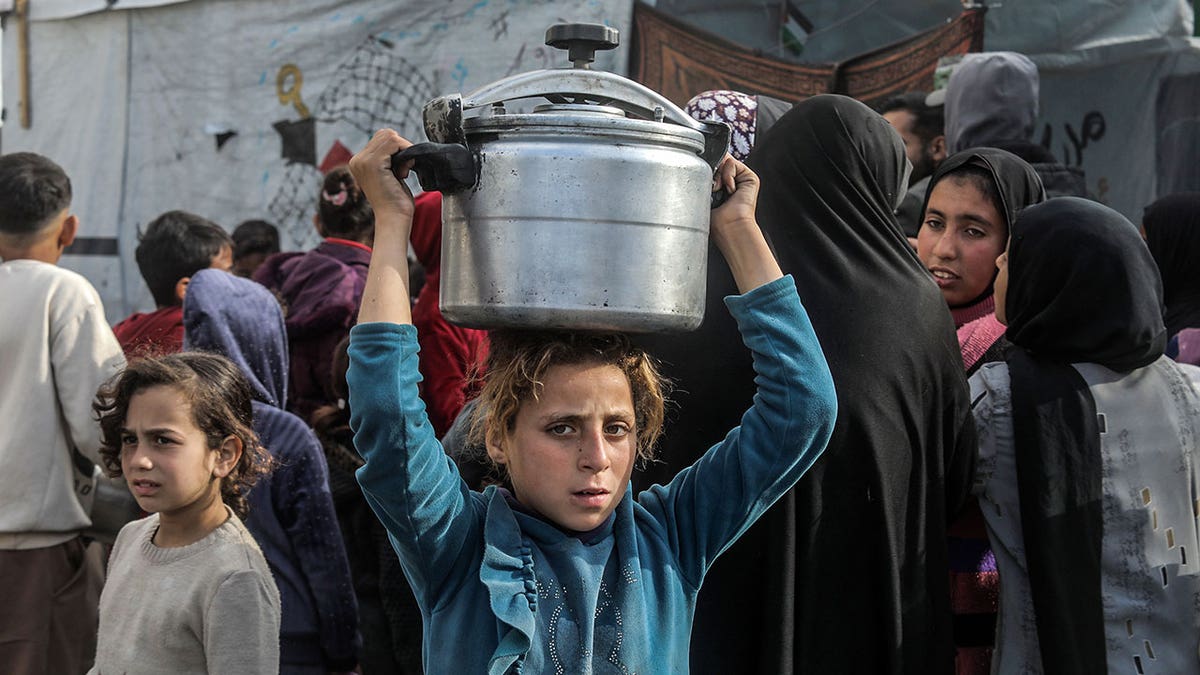
He offered the example of a European pharmaceutical company that supplied medicine to Gaza hospitals but was never paid. If the new administration needs that company to continue supplying medicine, he said, resolving some of its unpaid invoices could be necessary to maintain the relationship.
“The theme here, really, is continuity of services,” the official said.
Disarmament could precede payments area by area
The official did not say that Hamas would have to be fully disarmed across the entire Gaza Strip before the first claim could potentially be paid.
“The reality is that this is going to be community by community,” the official said, explaining that the successor administration is expected to move into individual areas as Hamas disarms there.
IRAN REAFFIRMS SUPPORT FOR HAMAS AS TRUMP PUSHES TO DISARM TERROR GROUP
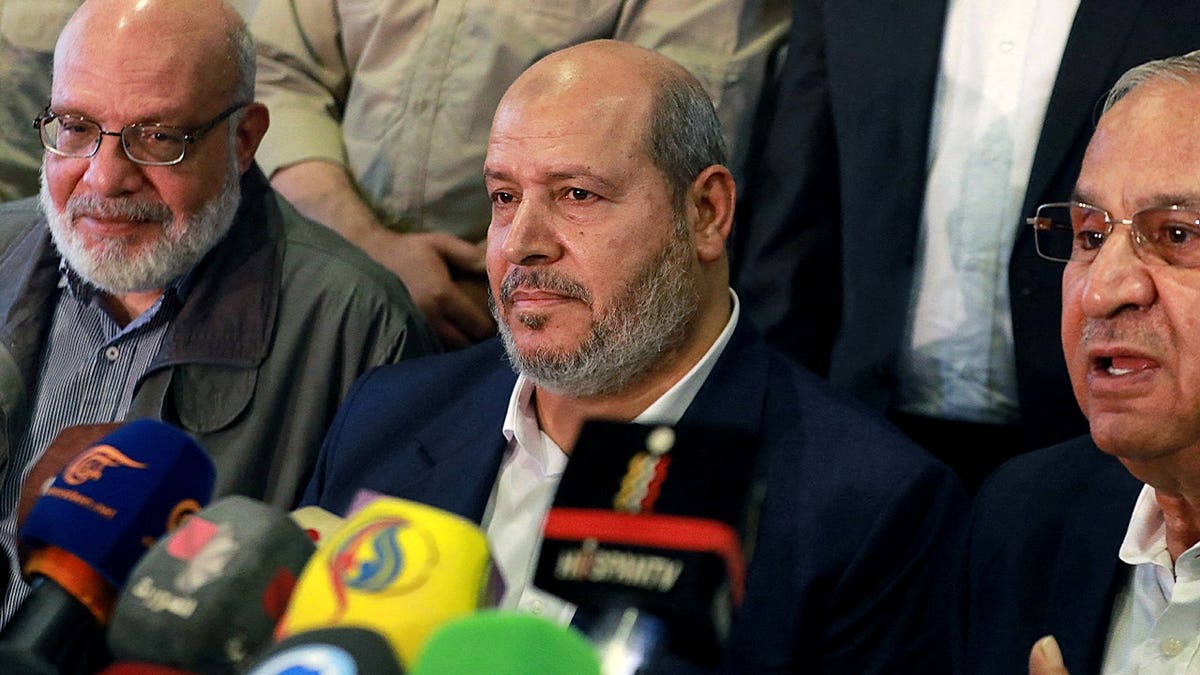
Asked whether Hamas would have to be completely removed from Gaza before the new administration could resolve an outstanding liability — for example, involving a hospital in Rafah — the official said a payment could occur even if Hamas had not yet been fully removed elsewhere in the Strip.
“The idea is that where those decisions are made, Hamas is not gonna be there,” he said.
When Fox News Digital asked specifically whether it was accurate to say money would not be transferred into areas where Hamas remained in control, the official said: “It’s accurate to say.”
The official acknowledged that more complicated cases could arise if the same supplier operates in both Hamas-free and Hamas-controlled portions of Gaza. Officials might then have to determine whether to reimburse only the portion associated with the area controlled by the successor government or negotiate some other arrangement necessary to maintain the service.
US URGES DONORS TO ABANDON UNRWA FUNDING AS UN DEFENDS AGENCY’S MISSION
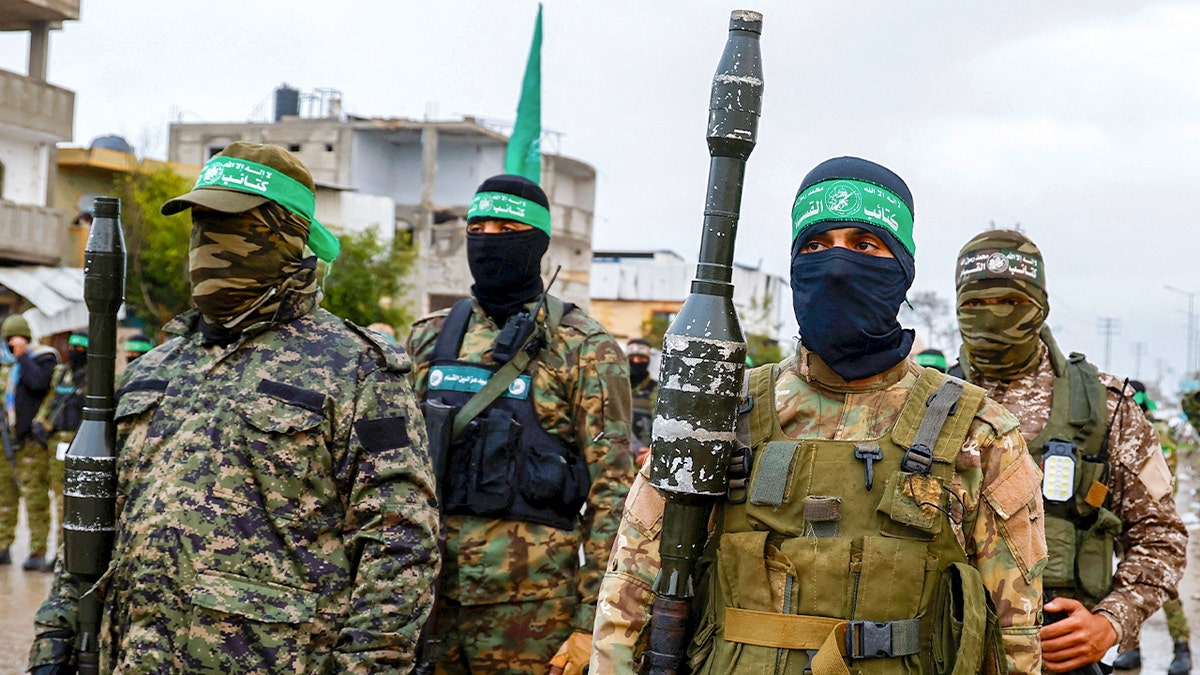
Board pushes back on fungibility concern
Cruz’s central criticism is that money is fungible: if international donors satisfy obligations accumulated under Hamas rule, resources that might otherwise have been needed to cover those liabilities could theoretically be used elsewhere.
The Board official rejected that argument, saying Hamas is insolvent and was never going to pay many of the outstanding creditors in the first place.
“It’s not as though we’re alleviating them from, like, their budget that they actually were gonna actually go pay that $100 and now they get to save it,” the official said.
“They were never paying it in the first place,” he continued. “We’re making a decision separate and apart from Hamas, whether this fits into our budget and our relationships.”
HAMAS TAPS ‘ULTIMATE INSTITUTIONAL SURVIVOR’ AS TERROR CHIEF, SENDING MESSAGE TO ISRAEL: EXPERT
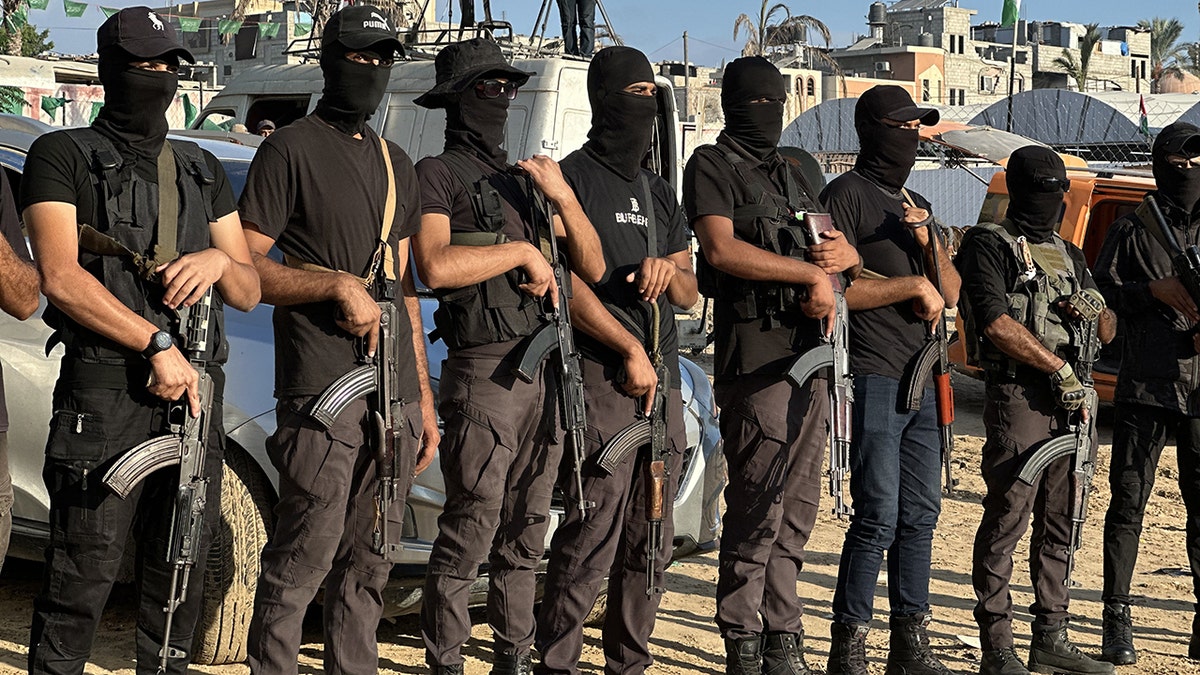
The official described Hamas as “dead insolvent right now” and “financially, completely, completely in shambles.”
Fox News Digital also pressed the official on a separate concern: even if money is never transferred directly to Hamas, could the group extract taxes, payments or other benefits from suppliers or employees receiving funds while it remains armed elsewhere?
“If there’s a risk that some of the money is going to still end up in the hands of Hamas, then we’re gonna shut it down,” the official said.
He said officials would examine each recipient, the services provided and where the money ultimately would go.
“If Hamas is not fully disarmed … can it end up in their hands? If the answer to that question is yes, then they’re not gonna get money,” he said. “Like, that is crystal clear.”
The official also disclosed that the Board intends to try to recover assets it believes Hamas stole and use those assets, where possible, to satisfy legitimate obligations.
“We are going to make a real effort to go and try to recover those assets and use some of those assets, where we have found theft … to satisfy some of these obligations,” he said.
If recovered assets are insufficient, the official said outside funding would come from countries in the region rather than Washington.
CLICK HERE TO DOWNLOAD THE FOX NEWS APP
“This is coming from regional partners. This is not coming from the United States,” he said.