





 Weather
By David Del Valle
Published on
The African continent is consolidating its position as one of the world’s fastest growing tourism regions, with more than 80 million visitors in 2025, 8% more than the previous year, according to UN Tourism data.
ADVERTISEMENT

ADVERTISEMENT
Moreover, tourist spending grew by 5%, ahead of mature markets such as Europe, according to the World Travel and Tourism Council (WTTC).
Geopolitics is playing in its favour. “The crisis in the Middle East has been a major disruption for the sector, although the impact on Africa is less,” explains Virginia Messina, executive director of the African Travel and Tourism Association (ATTA). In her view, a realignment is taking place with many airlines increasing flights to countries such as Kenya and the south of the continent, accelerating an underlying trend.
“Africa was already growing solidly and now, in a context of global uncertainty, it has the opportunity to consolidate itself as one of the great engines of world tourism, and even take over from Asia as the region with the highest growth,” Messina said.
Africa’s main challenges
To underpin this growth, ATTA’s executive director is committed to improving connectivity and mobility within the continent. “This is one of the biggest challenges,” she acknowledges. Although there are direct connections from Europe to major gateway airports such as Nairobi, Addis Ababa and Johannesburg, moving within the region is still complicated. “Routes exist, but they are not always well connected,” he acknowledges.
This is compounded by high costs and dependence on these major gateways, limiting the development of multi-destination itineraries and the potential for growth in African tourism.
Beyond connectivity, there are other key factors that can make a difference. One of these is visa policy, an area in which the continent is starting to make progress. “We are seeing more and more countries removing or relaxing visas and that can have a very rapid impact on demand,” says Messina.
In addition, there is growing investor interest in the sector. “There is much more interest in investing in Africa,” she explains, which is driving the development of infrastructure and new tourism experiences in different parts of the continent.
Africa is more than safaris
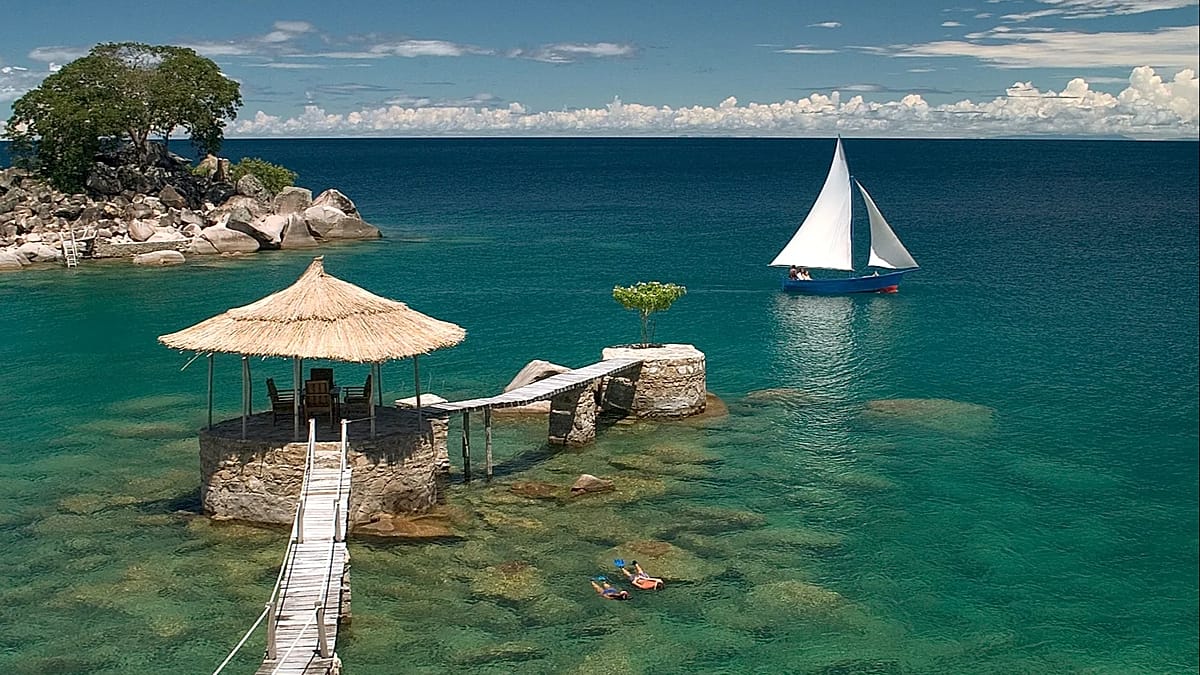
In addition to these developments, there is also a fundamental change in the way Africa wants to present itself to the world. “The safari is fundamental, but Africa is much more than this,” stresses Messina. The continent is broadening its offer with experiences ranging from culture and gastronomy to urban tourism, sun and beach or direct contact with local communities.
At the same time, the development of innovation and business centres in cities such as Kigali and Nairobi, which already host congresses and other events, are boosting tourism.
“It is a continent with a very young population and a great potential for innovation,” Messina stresses, convinced that this combination of new experiences and urban growth could become the driving force of African tourism in the coming years.
Africa is facing a unique opportunity. In a global context marked by uncertainty, the continent combines growth, investment and an increasingly diverse offer. The challenge now is to turn that potential into real leadership. If it succeeds, it will not only attract more travellers, but become the next great engine of global tourism.
Read the full article here