





 Weather
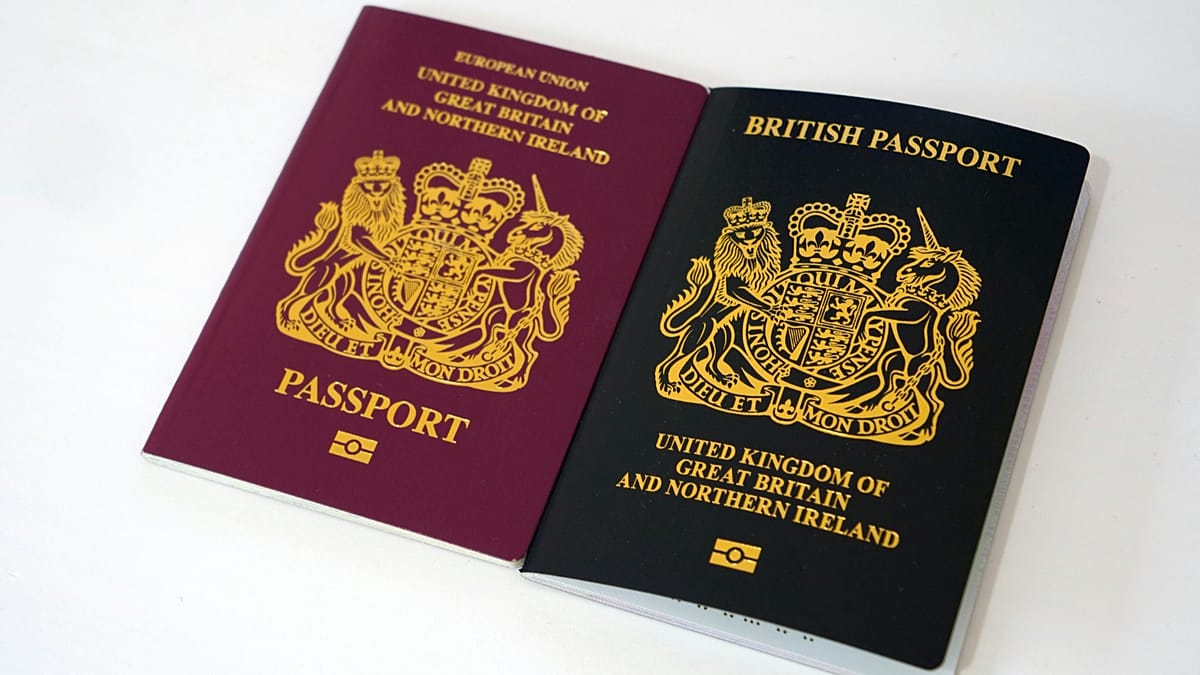
Although it may seem unbelievable, this week marks 10 years since the Brexit vote – and 10 years of confusion for many.
ADVERTISEMENT

ADVERTISEMENT
In the decade since the UK voted to leave the EU, holidaymakers are still grappling with a maze of travel rules that continue to cause headaches at airports, borders and holiday destinations across Europe.
Research suggests that Brexit-related travel anxiety remains firmly on the agenda, with millions of Brits unclear on everything from passport validity rules to new visa requirements and healthcare cover abroad.
Here’s everything you might not know about travelling in the Brexit era, but really should.
Border queue fears grow as EES rolls out
Long queues at European border controls are becoming a growing concern for British holidaymakers following the rollout of the EU’s Entry/Exit System (EES), which has been described as a “systemic failure”.
Those who live outside the Schengen Area should be asked to give biometric data at the border, but the roll out has been piecemeal across Europe.
Some nations have toggled the system on and off depending on the length of queues, and EU officials have said the process could take years to be ironed out fully.
According to new research from Holiday Extras, a UK-based provider of travel add-ons, more than one in five British travellers (23%) said they are “very concerned” about delays when travelling this summer.
Missing a connecting flight or onward journey was the second biggest worry, cited by 21%, while 16% said uncertainty over waiting times was causing stress.
ETIAS: The upcoming EU visa many Brits don’t know about
One of the biggest changes still to come, which could cause more chaos for British travellers, is the launch of the European Travel Information and Authorisation System (ETIAS), which is expected to be introduced in the last quarter of 2026, although the EU will announce the exact starting date several months prior to its official launch.
The scheme will require UK travellers visiting the Schengen Area to apply for travel authorisation before departure, adding an extra step to holiday planning and a fee of €20 per adult. There will be exemptions for minors, seniors, and family of EU citizens, however.
Despite its impending arrival, awareness remains surprisingly low. Holiday Extras found that nearly three-quarters (73%) of travellers don’t understand how the system will work, while half admitted they were completely unaware it was even being introduced.
Passport rules continue to catch travellers out
Apart from the confusion surrounding EES and ETIAS, passport validity remains the biggest source of confusion for many travellers.
Almost half (44%) of those surveyed by Holiday Extras said they do not understand the specific passport requirements for entering the Schengen Area – and the consequences can be costly.
One in four travellers said they have experienced problems first-hand, ranging from having to change or cancel holidays to being refused boarding altogether because their passport was deemed invalid for travel.
The rules differ from the pre-Brexit arrangements, meaning some passports that appear to have plenty of time left before expiry may not actually qualify for entry into EU countries.
Most destinations now require at least six months validity left on a passport beyond your departure date, although it varies from country to country, so check before you travel.
Check your GHIC card before you travel
It’s not just border rules catching travellers out.
More than two million Global Health Insurance Cards (GHICs) are due to expire this year, potentially leaving holidaymakers without access to state healthcare on the same terms as local residents in many European countries – a rare post-Brexit perk for Brits.
The free card, which replaced the European Health Insurance Card (EHIC) following Brexit, can help travellers access treatment at state-run hospitals and GP surgeries.
As with passports though, it’s crucial to check expiry dates before travel.
Although useful, GHICs should never replace travel insurance, but instead work alongside it, helping travellers avoid costly medical bills and insurance excess charges.
When it comes to travel insurance, be sure to get cover before you travel, rather than waiting until departure day. That means you’ll be protected against illness or unexpected events that prevent travel before a trip even begins.
Gibraltar’s border fence finally comes down
One nation that is seeing a positive change from Brexit is Gibraltar. The British overseas territory, which shares a border with Spain, has had its border fence removed ahead of the implementation of a landmark EU-UK treaty coming on 15 July.
Brexit has been hugely unpopular in Gibraltar, and some 96% of its residents voted to remain in the EU during the referendum.
The agreement, which took years to negotiate following Brexit, will see Gibraltar formally join the Schengen Area under Spanish administration.
Once the changes take effect, checks will move away from the land crossing and instead take place at Gibraltar’s airport and port.
The move effectively removes one of Europe’s most unusual border crossings and marks a major shift in relations between Gibraltar, Spain and the European Union.
For travellers, it should mean smoother movement between Gibraltar and neighbouring Spain, bringing an end to years of uncertainty surrounding the territory’s post-Brexit future.
Read the full article here