



 Weather

U.S. gasoline prices on Monday topped $4 a gallon nationwide, adding pressure to household budgets as oil markets surge in response to the lingering Iran conflict.
Data from GasBuddy showed the national average price for regular gasoline at $4.018 per gallon, with mid-grade at $4.541 and premium at $4.904. AAA data also confirmed the national average moving above the $4 threshold, reinforcing the upward trend in fuel costs.
Prices have risen sharply in recent weeks, with the national average up about $1.06 per gallon, or roughly 36%, when tensions escalated following U.S. and Israeli strikes targeting Iran in late February.
The increase reflects a broader rally in oil markets, with U.S. crude futures settling at $102.88 a barrel on Monday, up $3.24. Prices also jumped more than $3 in Asian trading after Kuwait said an oil tanker was attacked at a Dubai port, underscoring ongoing supply risks.
OIL HAS SURGED SINCE THE IRAN CONFLICT BEGAN, BUT GAS PRICES MAY NOT BE DONE RISING
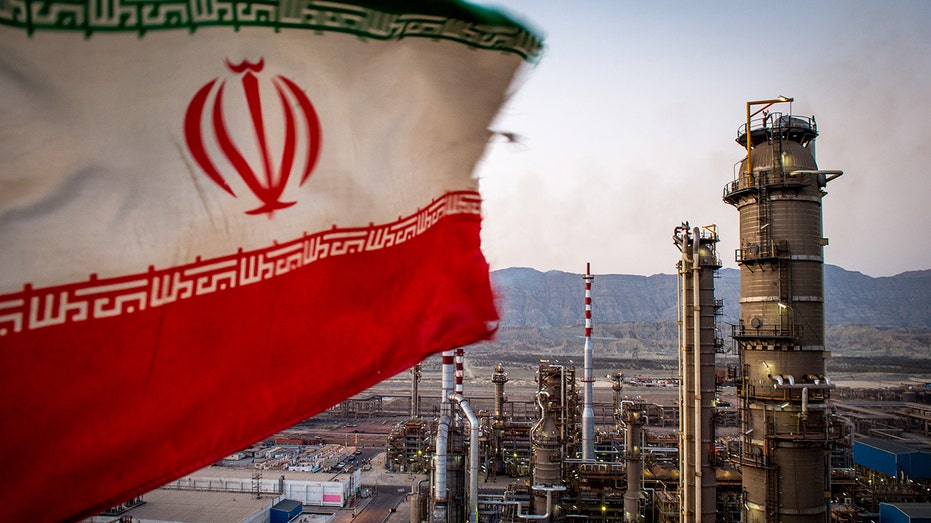
Fuel markets have been particularly sensitive to disruptions tied to the Strait of Hormuz, a critical corridor for global crude shipments, where Iran has effectively restricted traffic, tightening supply expectations.
Further gains at the pump are possible if crude prices continue to rise, analysts say.
The Trump administration has moved to mitigate the impact, issuing a 60-day waiver of the Jones Act that allows foreign-flagged vessels to transport fuel and other goods between U.S. ports. However, industry analysts expect the measure to have only a limited effect on retail gasoline prices.
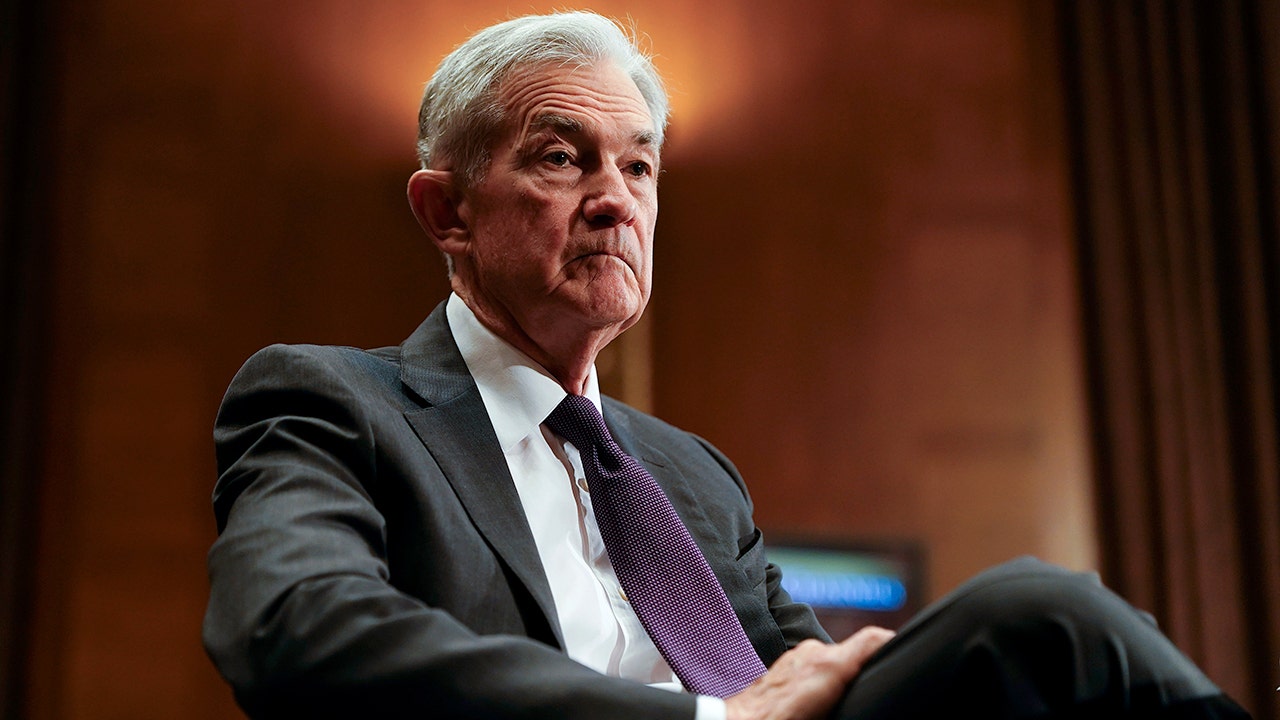
POWELL WARNS OF NEW ENERGY SUPPLY SHOCK AS GAS PRICES SURGE: ‘NO ONE KNOWS HOW BIG IT WILL BE’
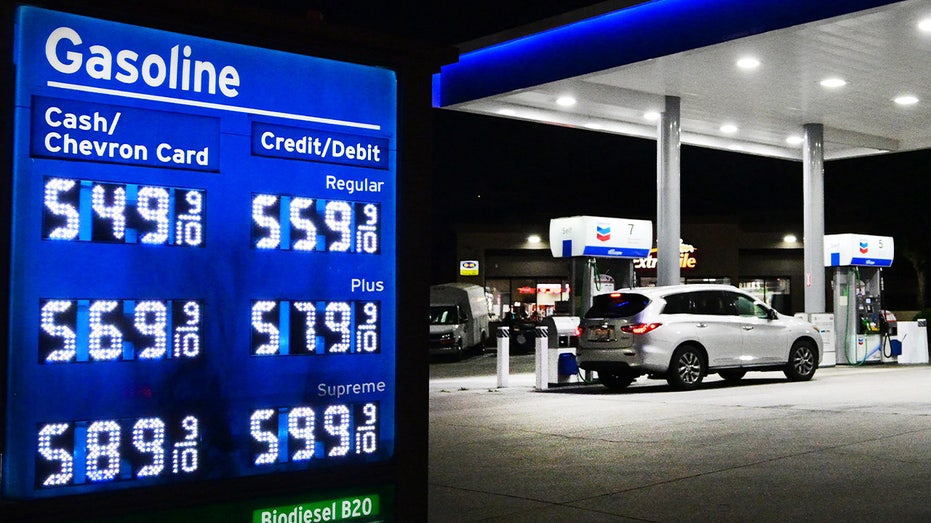
Rising fuel costs are weighing on consumers already facing broader price pressures and have emerged as a political challenge for President Donald Trump and congressional Republicans ahead of the November midterm elections.
CLICK HERE TO GET FOX BUSINESS ON THE GO
Trump has pledged to reduce energy prices and boost domestic oil and gas production, but his second term has so far been marked by market volatility and geopolitical tensions.
Reuters contributed to this report.