




 Weather
NEWYou can now listen to Fox News articles!
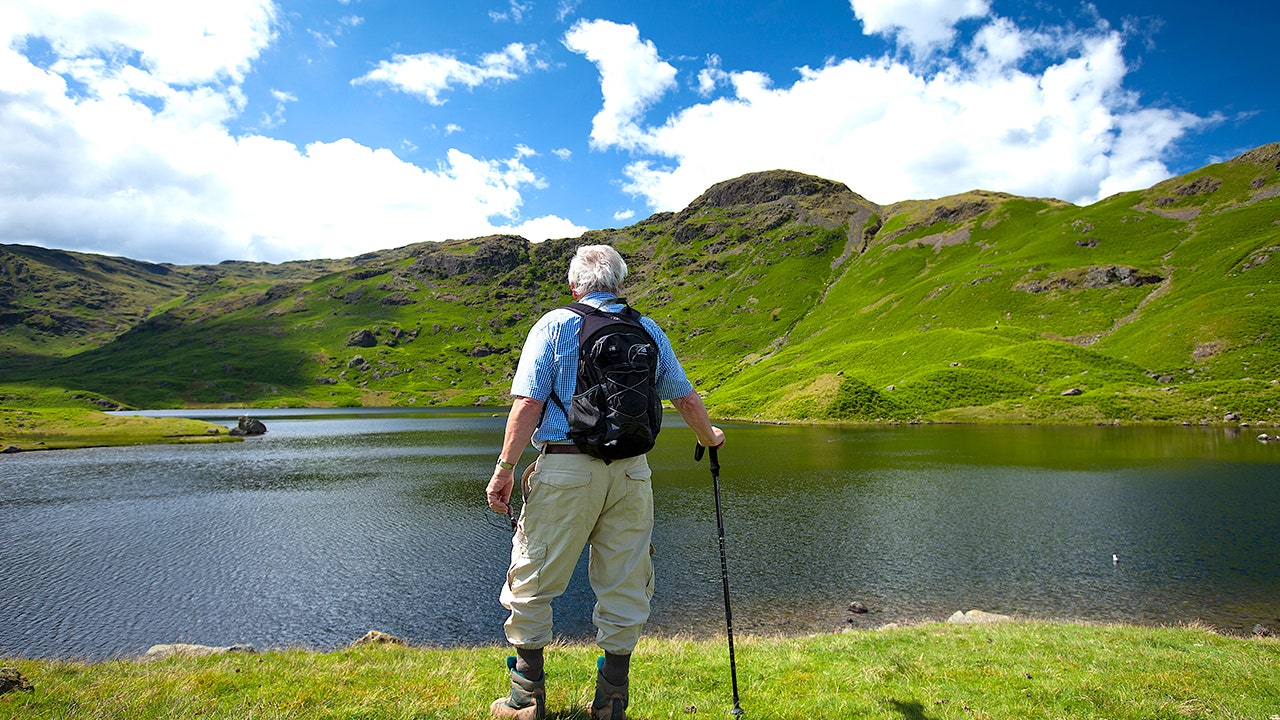
Authorities overseeing some of Britain’s most famous countryside landscapes are launching targeted outreach programs aimed at ethnic minority communities, after a government-commissioned review warned rural areas are widely perceived as a “white” and unwelcoming space.
“The countryside is seen by both black, Asian and minority ethnic groups and white people as very much a ‘white’ environment,” the report stated, “We are all paying for national landscapes through our taxes, and yet sometimes on our visits it has felt as if National Parks are an exclusive, mainly white, mainly middle‑class club, with rules only members understand and much too little done to encourage first time visitors.”
Critics say the initiative reflects misplaced government priorities. Michael McManus, director of research at the Henry Jackson Society, told Fox News Digital: “At a time of low growth, high taxes and stretched public services, it’s astonishing that ministers are spending time and money worrying about the ‘whiteness’ of the countryside. Government exists to grow the economy and fix real problems, not to indulge in culture war distractions that deliver nothing for working people.”
The initiatives stem from the 2019 Landscapes Review, commissioned by the Department for Environment, Food & Rural Affairs (DEFRA) and led by author Julian Glover. The review concluded that England’s protected landscapes often feel disconnected from large parts of the population.
LIZ PEEK: TRUMP DECLARES WAR ON WOKE—AND THIS BELOVED MUSEUM IS IN HIS CROSSHAIRS
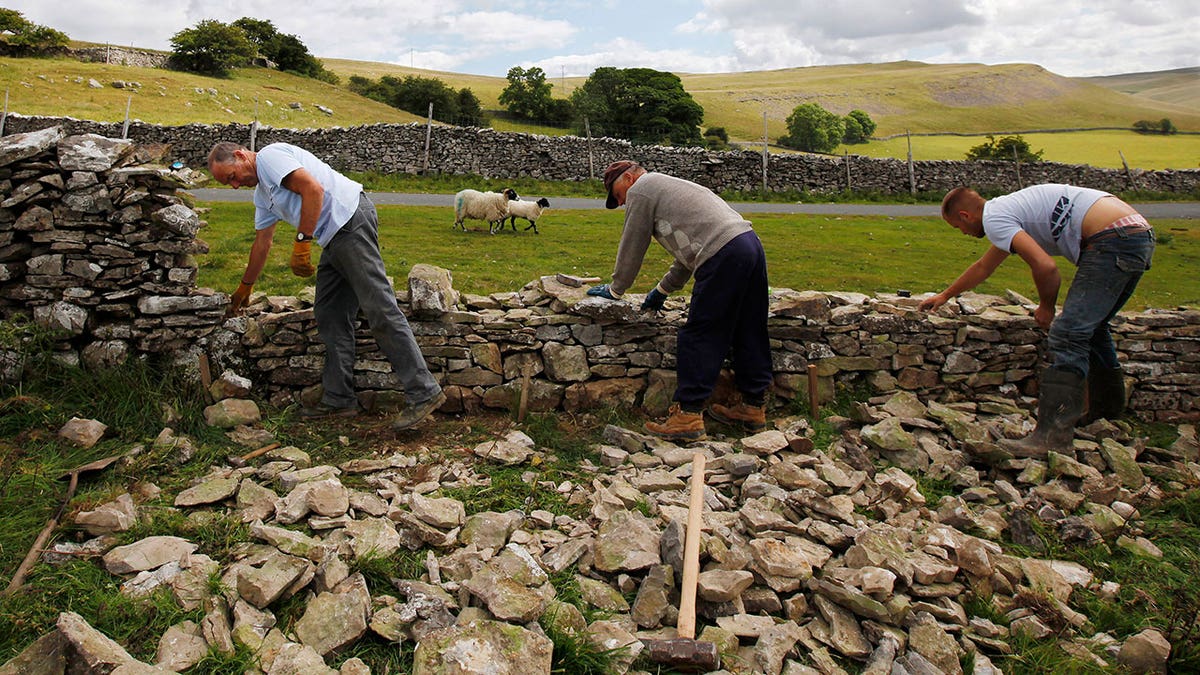
The review also criticized the leadership of protected landscapes, arguing that governance bodies do not reflect the country they serve. “Of the almost 1,000 people on National Park and AONB boards today, the great majority are male… and a tiny fraction are of black, Asian or minority ethnicities,” the report said, calling that imbalance “wrong for organizations which are funded by the nation to serve everyone.”
Following the review, organizations representing National Landscapes, formerly known as Areas of Outstanding Natural Beauty, have published updated management plans outlining steps to attract more diverse visitors. According to individual plans published between 2024 and 2025, and as reported by U.K. outlets including LBC and GB News, the measures apply to landscapes including the Cotswolds, the Chilterns, the Malvern Hills and others.
AMERICAN HISTORY WON’T BE DISPLAYED ‘IN A WOKE MANNER’ AT SMITHSONIAN, TRUMP SAYS
Under those plans, the Chilterns National Landscape will launch targeted outreach programs in Luton and High Wycombe, areas with large Muslim populations. One barrier cited in follow-up research was concern among some visitors about unleashed dogs in rural areas.
The Cotswolds National Landscape referenced the DEFRA findings directly, saying it is seeking to broaden its appeal to reach “the widest demographic.”
In its own management strategy, the Malvern Hills National Landscape said many minority communities lack a generational connection to the countryside because parents and grandparents “did not always feel welcome in it.” The plan added that while many white English visitors value solitude, ethnic minority visitors may be more inclined toward group or family-based activities.

Other landscapes raised similar concerns. Nidderdale National Landscape in North Yorkshire warned that ethnic minority visitors may worry about how they will be received in unfamiliar rural settings. Dedham Vale, Surrey Hills, and Suffolk and Essex Coast Heaths said they aim to identify and address barriers limiting access for under-represented groups, including people without English as a first language.
CLICK HERE TO DOWNLOAD THE FOX NEWS APP
Together, the plans signal a broader shift in how Britain’s publicly funded countryside is managed, as landscape authorities face growing pressure to demonstrate cultural relevance to a changing society, even as critics warn the focus risks sidelining economic priorities and traditional conservation goals.
Fox News Digital reached out to the Department for Environment, Food & Rural Affairs in England for comment but did not receive a response before publication.