




 Weather
Dozens of popular European destinations have brought in fines, taxes and other restrictions on travellers in recent months, in an attempt to combat overtourism.
ADVERTISEMENT

ADVERTISEMENT
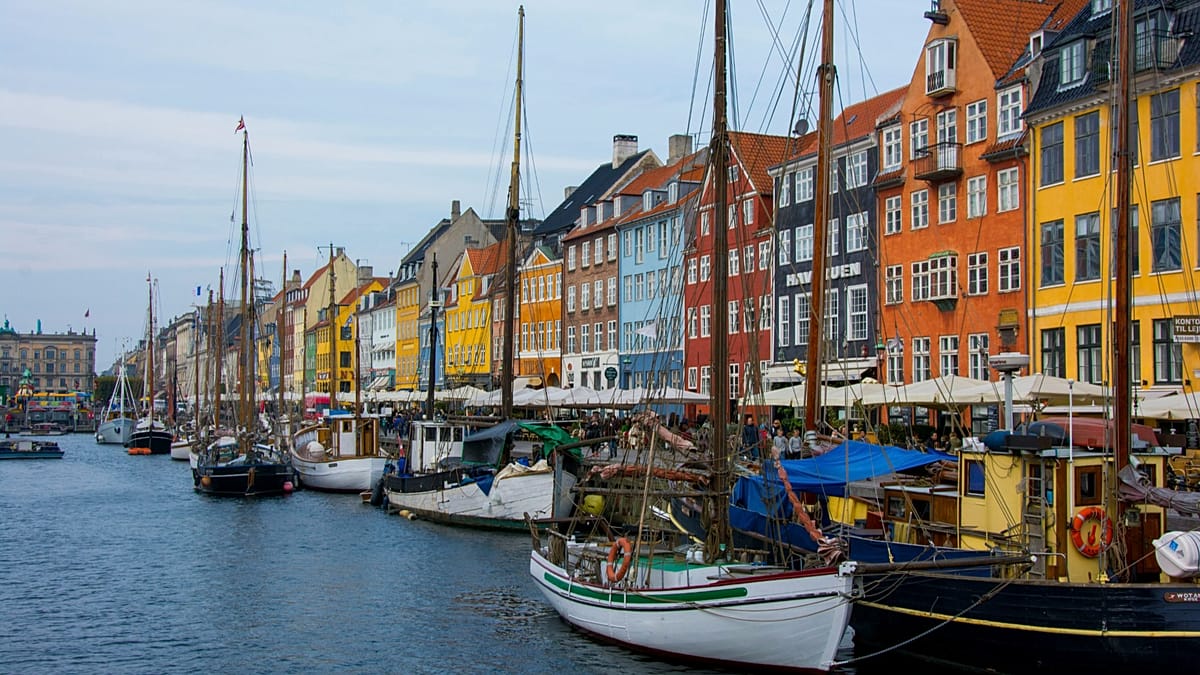
However, in 2024, Copenhagen took a very different approach. The Danish capital began rewarding tourists who demonstrate responsible and conscious behaviour through the CopenPay initiative.
The main aim of this scheme is to show travellers that climate actions can be much easier than they think, in an effort to promote sustainable tourism.
Incentives include providing free bike rentals, boat tours and lunches for travellers who help out in communal gardens, collect litter and take public transport.
Following Copenhagen’s actions, other European cities and destinations such as Berlin, Helsinki and Bremen have expressed interest in trying the same system.
“Since launching CopenPay last summer, we’ve been met by an enormous interest from cities and tourist boards from Europe, Asia and North America, all wanting to know more about CopenPay and our learnings,” said Søren Tegen Petersen, CEO of Wonderful Copenhagen.
“So far, we have shared insights on CopenPay with more than 100 interested parties.”
Bremen to reward sustainable travel choices
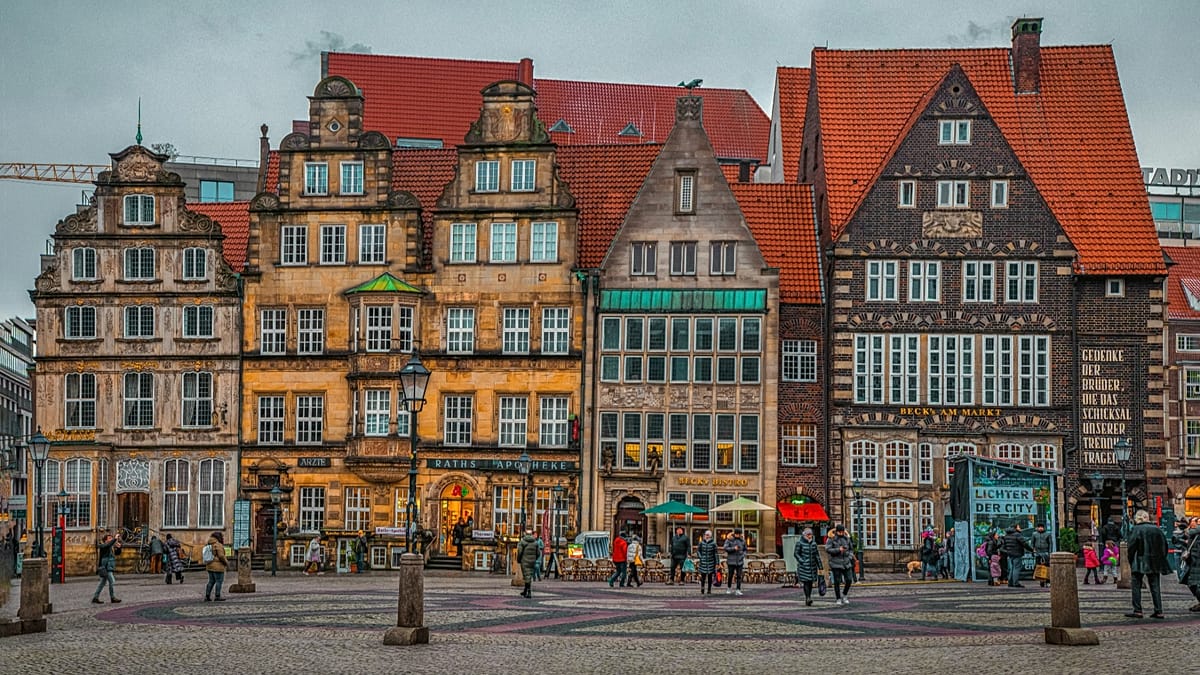
The German city of Bremen has also announced that it would be launching BremenPay in May 2026. Much like CopenPay, this would be a tourism initiative which rewards sustainable travel choices.
These include walking, arriving by train, cycling, boat hires, extending your stay in Bremen or shopping consciously from second-hand shops and local, artisinal boutiques.
By providing proof of these activities, like a photo or ticket, travellers can receive rewards like free city tours and coffee and reduced admission fees to tourist attractions.
As part of its cooperative campaign with Deutsche Bahn, Bremen already rewards overnight guests coming into the city by train with surprise goodie bags containing small gifts and vouchers form different local tourism businesses.
“The campaign was very well received by our visitors and has encouraged us to further expand the concept, strengthening Bremen as a sustainable destination,” said Oliver Rau, managing director of Bremen Marketing and Tourism, Wirtschaftsförderung Bremen GmbH. “For 2026, we are planning an even larger initiative.”
Rewards for train travel and longer stays
Berlin is considering launching a new initiative soon, which could reward travellers arriving by train, staying longer, eating plant-based meals and participating in eco-friendly activities, with perks like museum entry fee discounts, free food and complimentary bicycle rentals.
Pilot testing for this model could be carried out this year.
This scheme is expected to help narrow the gap between tourists wanting to be more responsible, but not knowing how, and their actual behaviour.
The city has suggested it will use mobile apps and points-based systems to streamline the rewards and engagement process, along with partnering with local businesses.
Helsinki is also interested in following Copenhagen’s example and introducing its own version of a rewards scheme. This is likely to have a particular focus on regenerative tourism and Baltic Sea restoration projects, in collaboration with other Baltic and Nordic destinations.
The scheme would also encourage tourists to take public transport and cycle, with rewards like free meals and discounted tours, among other experiences.
Popular ski destinations in the Alps, such as Via Lattea in Italy and Les Gets-Morzine in France are also slashing up to 25 per cent off ski passes this year for visitors who arrive by rail.
Free drinks and museum access
Rewarding tourists for responsible behaviour is not an entirely new concept, with other cities like London having had their own similar local schemes for years now. In July, widely known as Plastic Free July, visitors and residents in London have been rewarded with a free drink for participating in cleanups.
In Switzerland, travellers who choose to explore the country by public transport get free entrance to over 500 museums with a Swiss Travel Pass, as well as up to 50 per cent discount on most mountain railways.
Wild Sweden, an award-winning holiday company, also offers spa access and a free meal at Hotel Savoy in Lulea to visitors who arrive in Swedish Lapland by rail for their Northern Lights and wildlife holiday.
Last spring, Normandy launched a low carbon tariff which offered a discount of at least 10 per cent on admission to 90 attractions and cultural sites. This applies to visitors coming to France’s northern region by bus, train or cycle and can be used at castles, museums, monuments and parks, as well as for bike rentals, canoeing and escape rooms, among other activities.
Read the full article here