


 Weather
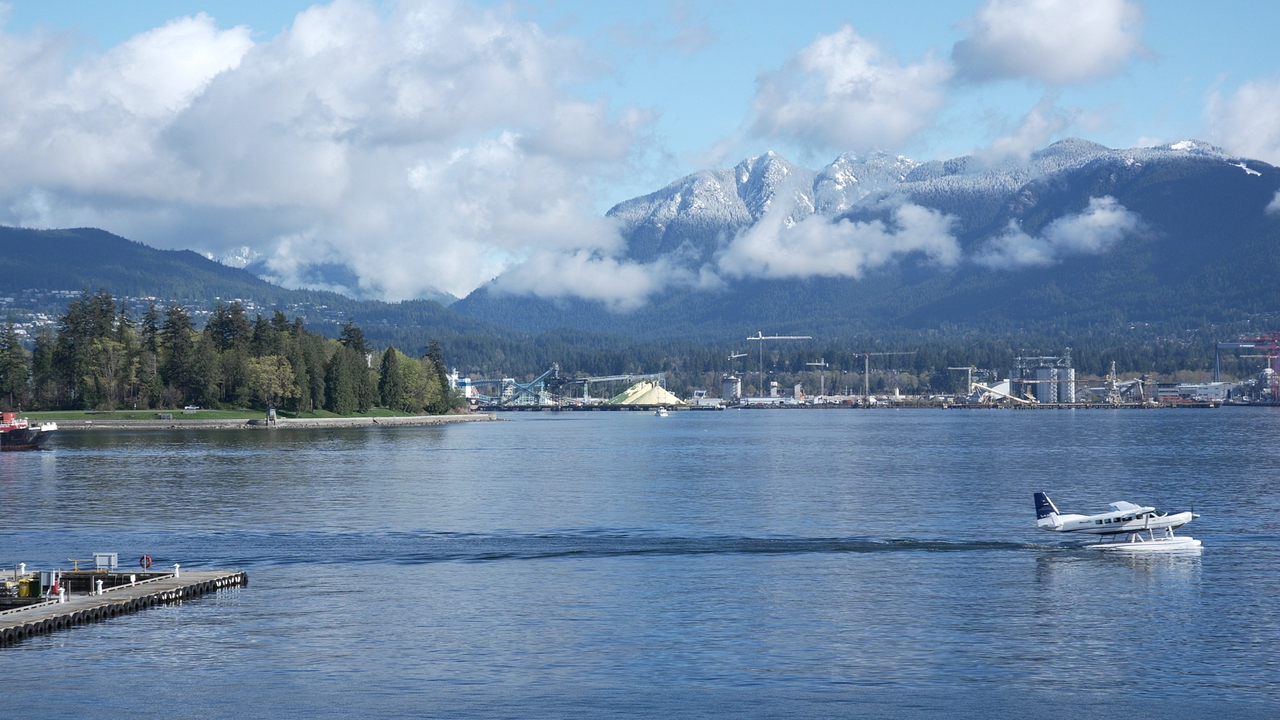
NEWYou can now listen to Fox News articles!
VANCOUVER, British Columbia – The cities of Seattle and Vancouver are working together to boost visitation as both prepare to host matches for next summer’s FIFA World Cup 2026. Officials from both cities expect hundreds of thousands of visitors to move through the western host cities during the tournament.
The two host cities sit about 140 miles apart and rank among the closest venues in the expanded tournament. Together, they will host 13 matches.
Officials frame cross-border coordination through Cascadia, a Pacific Northwest region that includes Washington state, Oregon, and British Columbia and reflects shared geography, trade, and culture.
WORLD CUP TEAMS FINALIZE US BASE CAMPS AS HOST CITIES PREPARE FOR GLOBAL CROWDS
“Washington State, Oregon, British Columbia really have had a great relationship over the years as the whole region, Cascadia,” Shawn Crowley, the U.S. Consul General in Vancouver said, “You can see the climate is very similar. I think the way of life is very similar.”
Organizers in Seattle and Vancouver are coordinating closely as they prepare for the tournament.
“The organizing committee is in touch really on a daily basis,” Crowley said. “They’ve been doing great cooperation.”
FIFA FIRES BACK AT NEW JERSEY GOVERNOR MIKIE SHERRILL OVER DEMAND TO PAY FOR WORLD CUP TRANSIT TICKETS
Visit Seattle projects that Seattle and King County will receive up to 750,000 visitors during the tournament. The region will generate about $845.6 million in economic impact, including more than $95 million in state and local tax revenue.
Boasting a walkable city with a robust transportation system, Seattle is promoting a “Unity Loop” to push tourism beyond the stadium district into neighborhoods.
The loop connects more than 300 stops across museums, parks, cultural institutions, and small businesses through the city’s light rail and pedestrian network.

“You can get off a light rail in five minutes and go from downtown Seattle up here to the Northwest African American Museum,” Leo Flor, the Chief Legacy Officer for Seattle FWC 26, said, “We want them to invest some of that time in learning more about what makes our city and our community special.”
Seattle is promoting an app called “SEA&WIN” to turn the Unity Loop into an interactive tourism system.
The app guides visitors through curated “loops” across neighborhoods. Users check in at cultural sites, parks, restaurants, and small businesses to earn points and rewards, including merchandise and potential match-related prizes, including a chance for a free ticket to a game.
“A certain number of people are going to actually be able to exchange their points and win a chance to go to one of the matches at the stadium this summer with us for free,” Flor said.
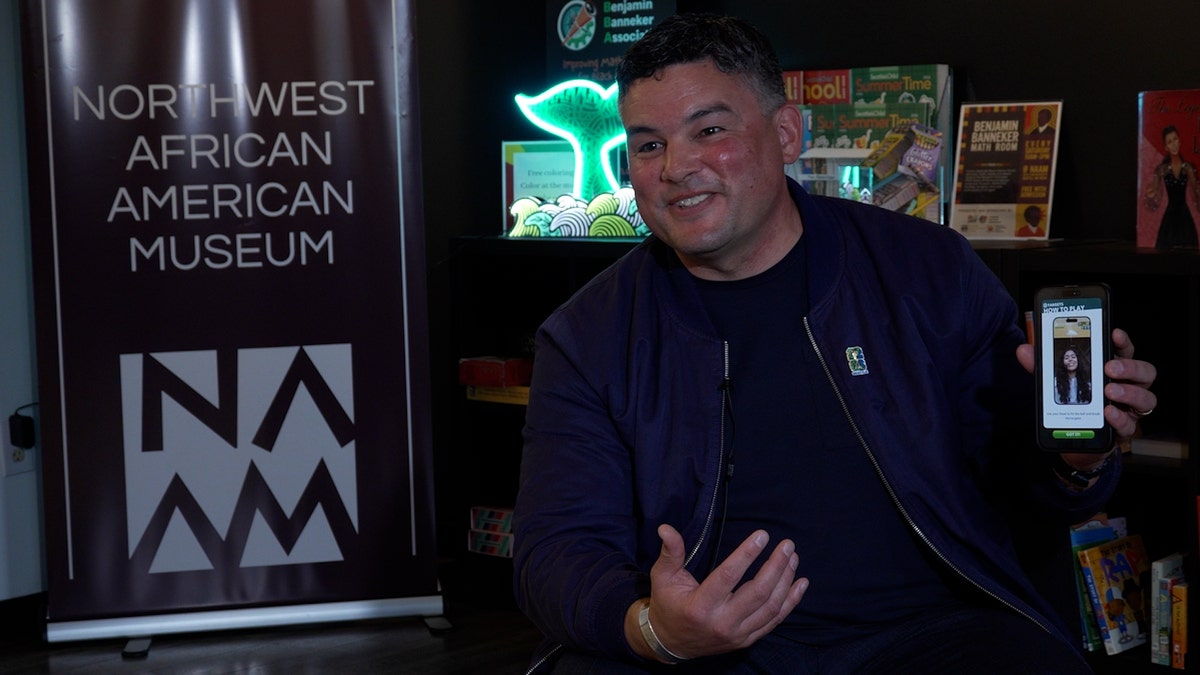
The strategy spreads tourism spending across neighborhoods instead of concentrating it near match venues.
“The soccer’s going to be fantastic, but what we are really interested in is proving that it’s possible to bring an event of this magnitude to our community and then have the local community benefit from that,” Flor said.
FIFA PRESIDENT GIANNI INFANTINO SAYS IRAN WILL ‘FOR SURE’ PLAY IN WORLD CUP DESPITE CONFLICT INVOLVING US
In Vancouver, tourism officials also hope to highlight local businesses while promoting British Columbia’s natural beauty.
Destination BC projects about 350,000 match attendees at BC Place in Vancouver. The organization also predicts the World Cup will help contribute to long-term tourism revenue. One report showed more than $1 billion in economic impact from tourism between 2026 and 2031.
“There’s going to be a lot of action and activity of excitement, kind of like during the 2010 Winter Olympic Games. So much energy in the city itself,” Maya Lange from Destination British Columbia said. “Having the stadium right downtown really makes it easy for people to travel from their hotel to the games, to experience watch parties or the shopping and all the things that there are to do in the downtown.”
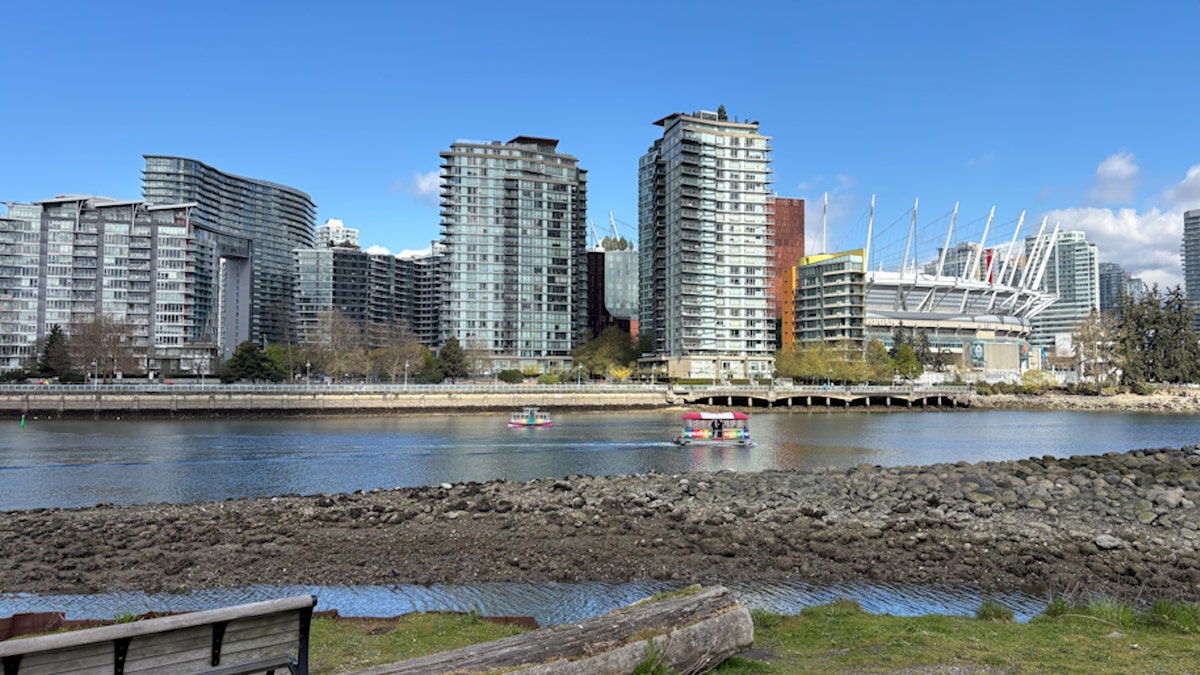
Vancouver and British Columbia highlight the contrast between urban life and nearby nature.
“What I’m super excited about is people experiencing super natural British Columbia, cities surrounded by nature,” Lange said.
She highlighted destinations outside Vancouver, including Whistler, coastal communities, wildlife regions, and Indigenous cultural experiences across more than 200 First Nations.
“There’s so much to experience, authentic Indigenous cultural tourism experiences,” Lange said.
CLICK HERE TO DOWNLOAD THE FOX NEWS APP
Lange said her office is working with their counterparts at the Washington Tourism Association to promote “Two countries, one journey” itineraries.
They view the World Cup as both a sporting event and a test of a highly interconnected region shaped by trade, travel, and cultural exchange.
“Make your plans early,” Crowley said. “There are different ways to get here. Find the one that gets you here in time to see it.”