



 Weather
NEWYou can now listen to Fox News articles!
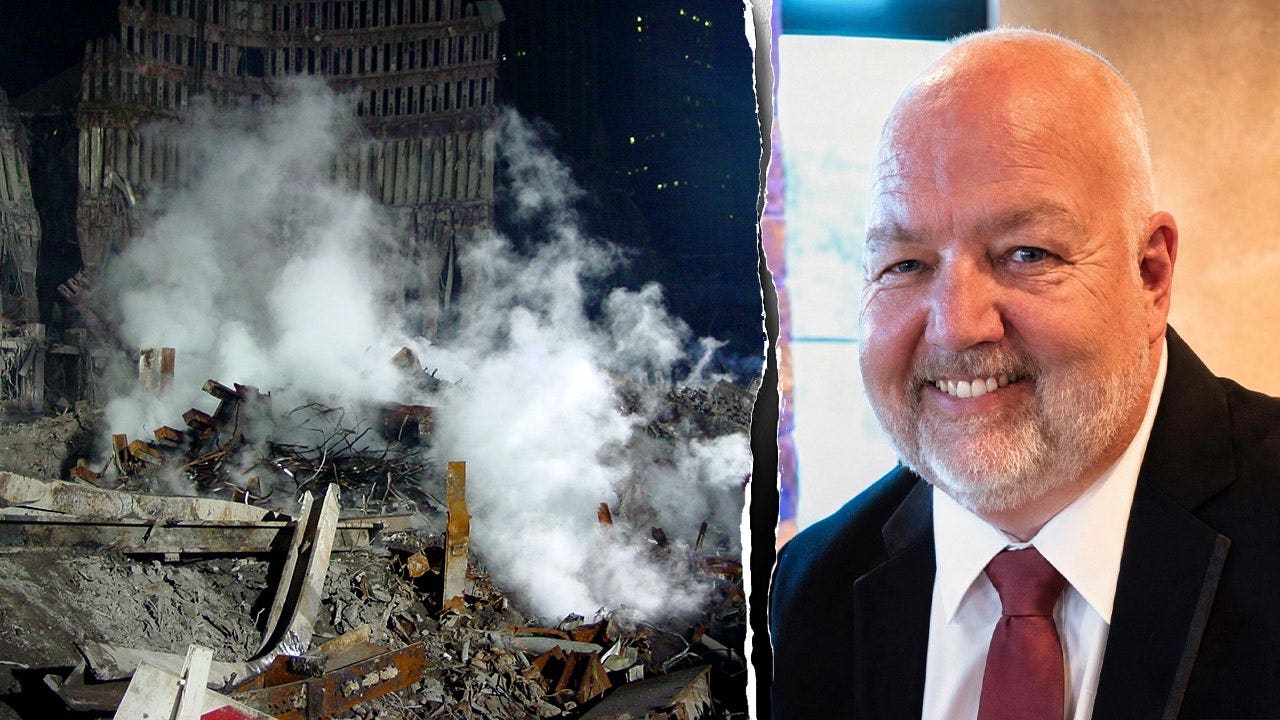
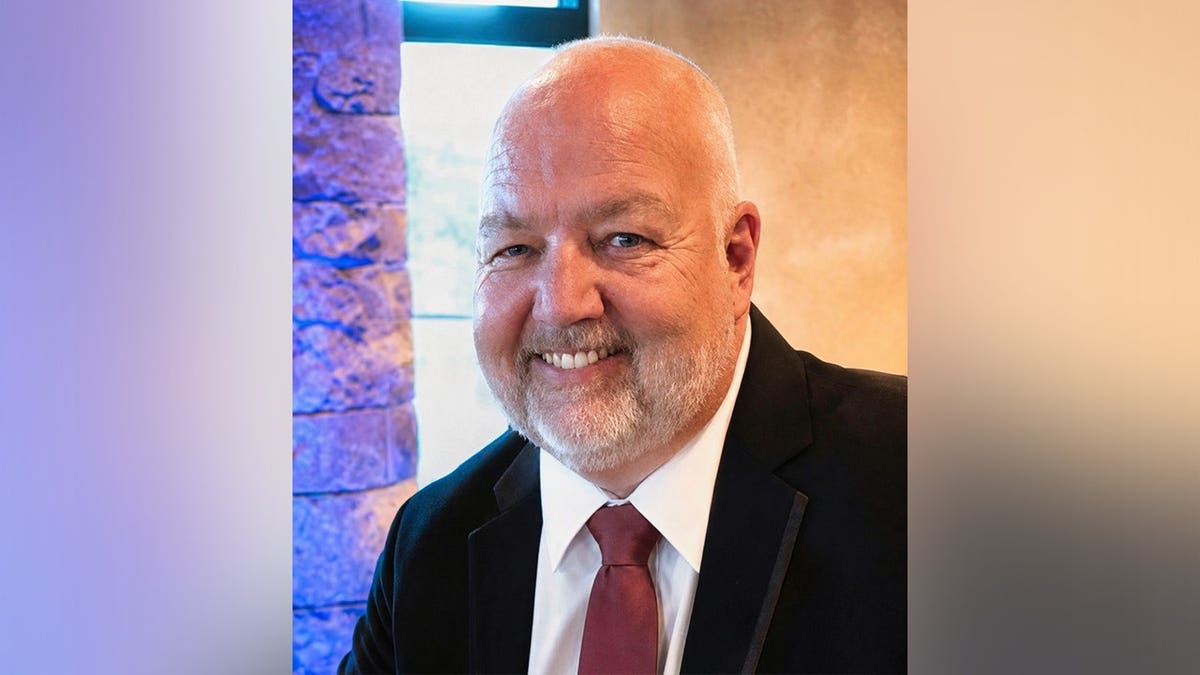
Twenty-five years later, the grief of Sept. 11 remains with Salvation Army responder Ken Tregellas, and so does his conviction that his experience was worth the sacrifice.
“My kids had asked me over the years, ‘Dad, knowing you’d get cancer, would you still have served?’ And I told them, ‘I wouldn’t have changed a thing. It was an honor,’” he said.
During this year’s anniversary, Tregellas is looking back on the decision that took him from his family in Wisconsin to Ground Zero, where he spent months caring for people searching for answers about their loved ones.
It started as a typical Tuesday morning. Tregellas was getting his twins ready for school when he saw the North Tower had been struck. Like millions of Americans, he was confused. It wasn’t until United Flight 175 struck the second tower that he knew America was under attack.
SCIENTISTS DISCOVER POSSIBLE LINK BETWEEN 9/11 AND ACCELERATED AGING
Within a few hours, his phone rang, a call that would change the course of his life.
Tregellas previously operated The Salvation Army’s emergency assistance programs in underserved communities. So when he was asked to be the Red Zone coordinator at Ground Zero, he knew he needed to deploy.
When flights opened back up, Tregellas flew from Wisconsin to New York City. Only four other passengers were on board.
“I’d never been to New York in my life, so I really didn’t have, other than pictures and movies, I didn’t have anything to compare it to,” he said.
Tregellas could not have known that his first glimpse of New York would come under such unimaginable circumstances.
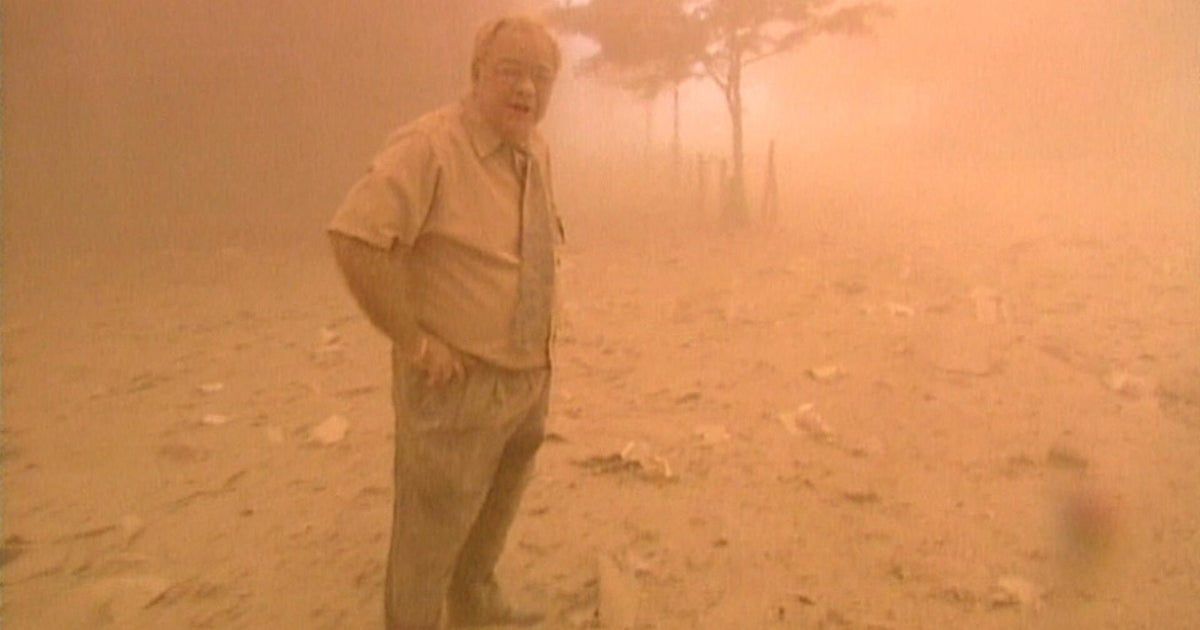
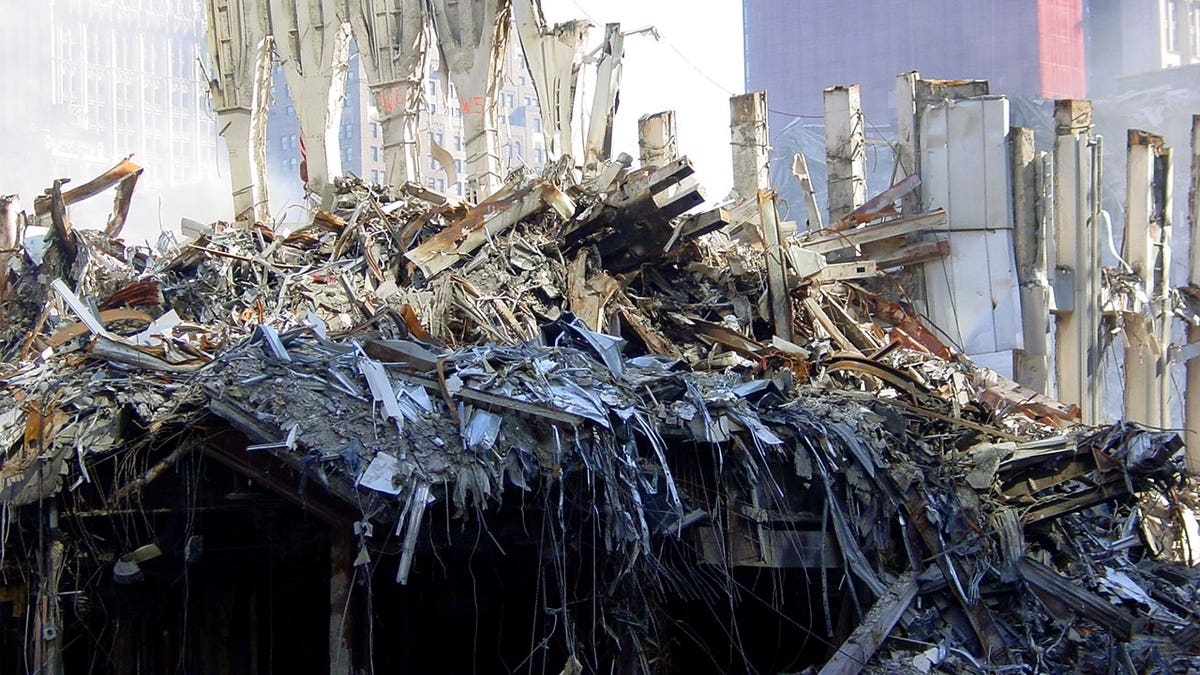
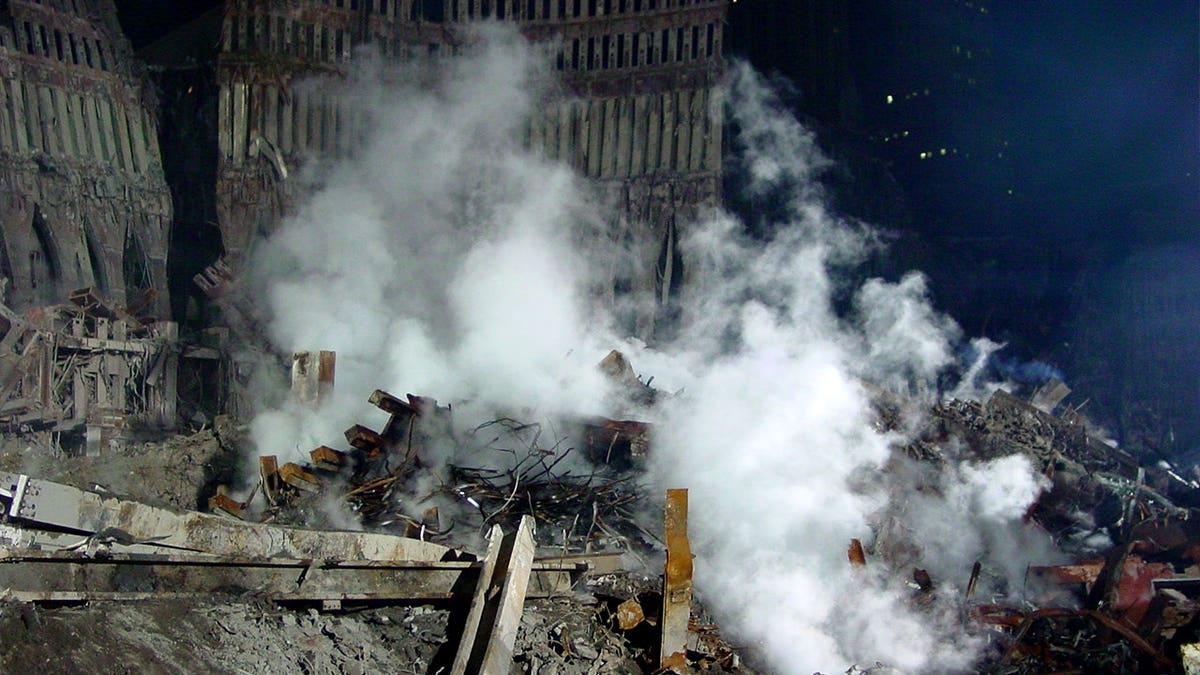
Walking into the Red Zone in Lower Manhattan, he encountered a scene unlike anything he had ever witnessed. Smoke continued to rise from the twisted shards of metal, while the remains of the World Trade Center smoldered in a massive pile.
“I was still pretty shocked that there was still fire burning,” Tregellas said. “I mean, the piles where the two main towers were, were still burning every time they were picking up debris.”
Working at Ground Zero
As the Red Zone coordinator, Tregellas was responsible for overseeing all of The Salvation Army’s efforts on the ground.
“Our job was really to take care of the people that were looking for bodies at that point,” Tregellas said. “It was more of a recovery effort.”
Six tents were set up at the site, including makeshift cafeterias and sleeping areas that quickly became a refuge for workers. Weary responders arrived with boots melted by the intense heat of the metal. They could replace their shoes, grab a meal, rest and talk with others about what they had witnessed at the pile.
The Salvation Army provided more than food, clothing and shelter. Beyond basic necessities, workers received counseling and other forms of spiritual relief to make the grueling work at Ground Zero somewhat manageable. Tregellas emphasized that the organization’s mission went beyond meeting physical needs. It was also there to provide emotional and spiritual care.
9/11 VICTIM’S IDENTITY EMERGES NEARLY 25 YEARS LATER AFTER DNA BREAKTHROUGH CRACKS MYSTERY
Prayer was offered around the clock to anyone who wanted it. Tregellas said one of the most striking parts of the experience was the diversity of people who came to the site including families who traveled from around the world searching for answers about their loved ones.
“There were people coming from all over the world to look at the site and try to understand why they weren’t hearing anything about loved ones,” Tregellas said. “You had to listen. You were dealing with interpreters. It was a whole different thing than I think most of us had ever dealt with before.”
At Ground Zero, Tregellas said, the work extended far beyond recovery. The Salvation Army was caring for people in the middle of unimaginable loss, providing a meal, a place to rest, a prayer or simply someone willing to listen.
The weight of recovery
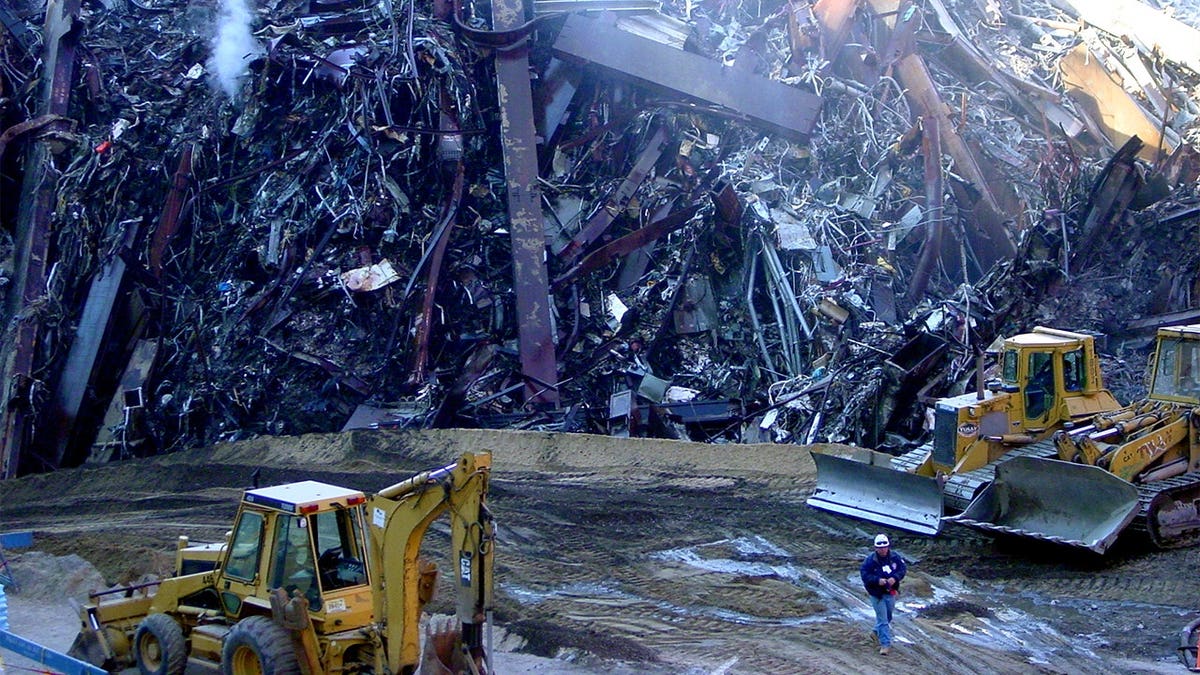
Although he had worked for The Salvation Army for almost 32 years and witnessed many heartbreaking moments, the weight of what Tregellas witnessed at Ground Zero followed him home.
After seeing the scale of the loss in New York, he found himself struggling to process other disasters the way he once had. Returning to disaster sites, such as floods, where people had lost their homes and belongings, he found himself comparing those losses to the lives lost on Sept. 11.
“Seeing the depth of tragedy of New York, so much loss of life, and just how large and devastating it was, I really had a hard time on the empathy part,” Tregellas said.
He knew the loss of a home, furniture or clothing was devastating to the people experiencing it. But privately, he found himself thinking about how different those losses were from what he had witnessed in New York.
“I was thinking in my head, ‘that’s just stuff, you didn’t lose your life,” he said. “And I compared everything in my life, even my children I would tell them, doesn’t compare to the loss of life. I had a really hard time getting over that.”
Lingering effect of 9/11
Cancer certifications have risen from 3,204 in 2015 to 57,044 this year between workers, Twin Tower survivors, and Manhattan residents, The New York Post reports.
Ten years after Sept. 11, Tregellas became a part of those statistics.
When Tregellas was having trouble eating and swallowing, he went to the doctor, not thinking much of it and unaware that his sacrifice helping others at Ground Zero would come at a cost.
During the visit, doctors found cancer in his tonsils.
“I hadn’t really dealt with cancer at all. And then as they started to look at it and it showed up in a couple other places,” he said.
FRANK SILLER: ‘I LOVE YOU, BROTHER’ — THE 9/11 LOSS THAT INSPIRED A MISSION OF SERVICE
He was then diagnosed with stage 4 mantle B-cell lymphoma, and the treatment was intense.
“It was probably eight months of chemotherapy and long stays in the hospital, and it was a very rare cancer.”
According to the Victims Compensation Fund, cancer has become one of the lingering health consequences of 9/11, as responders and survivors continue to face illnesses linked to their exposure at Ground Zero.
There were more than 69 reported types of cancer, with non-melanoma skin cancer being the most common, with more than 18,400 cases among responders and survivors, while lymphoma, on the rarer side, accounted for around 2,500 cases among responders and survivors.
The 9/11 VCF was able to assist him with his treatment.
“I went through a bunch of chemotherapies. I had a stem cell transplant that was, they said, my best chance to survive.”
About a year after completing that first treatment, the cancer came back in his other tonsil.
“I thought we were just going to do the same thing again, which I wasn’t excited about, but I was thinking, “Well, it worked once, it can work again,” he said.
Doctors thought that would be too harsh on his body, so they put him on ibrutinib, a drug used to treat certain blood cancers and one he’d be on until this year.
“And boy, I was on that drug till February of this year, and it put me back in remission, I never had any cancer since,” he said.
Keeping the memory alive
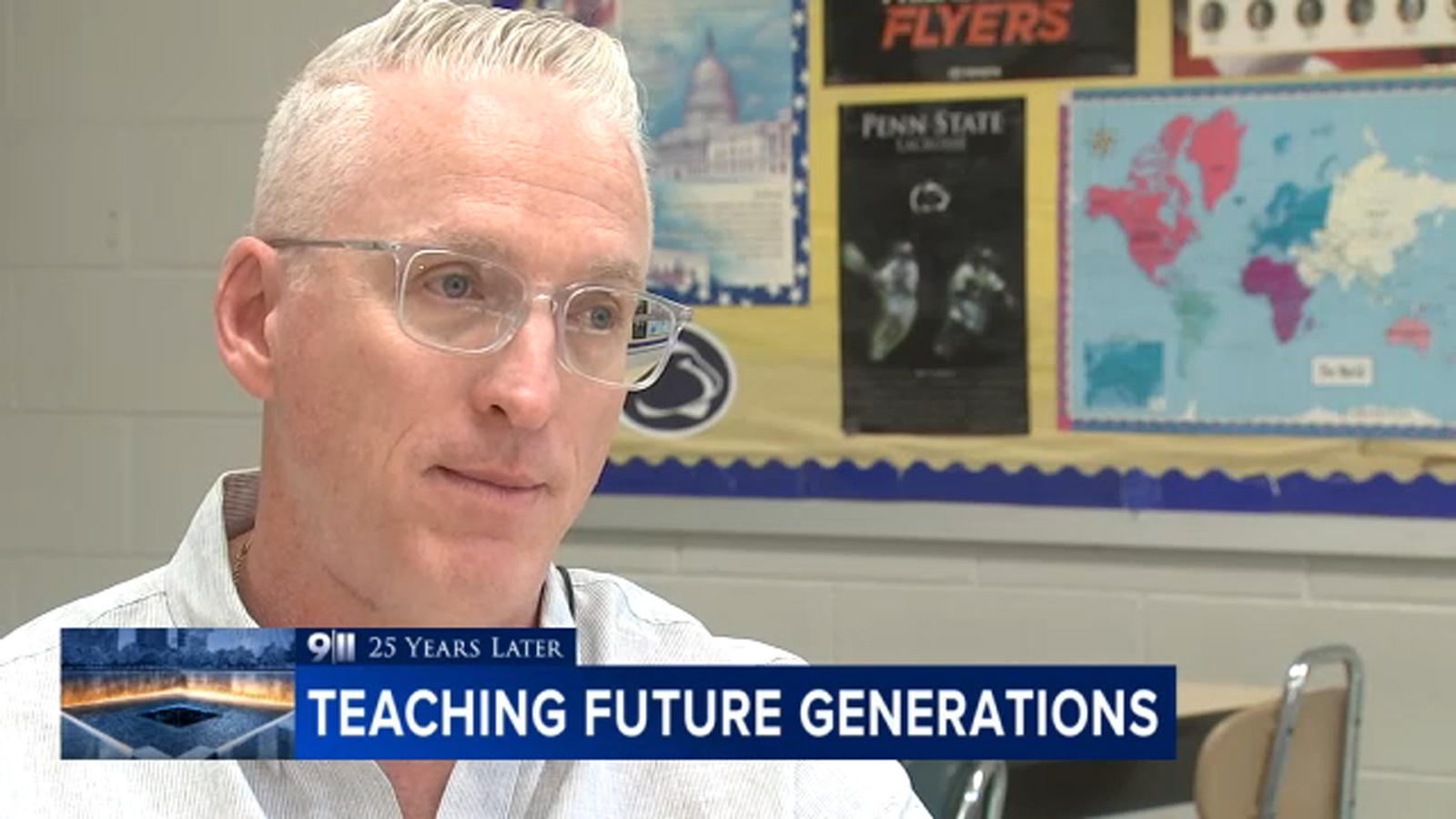
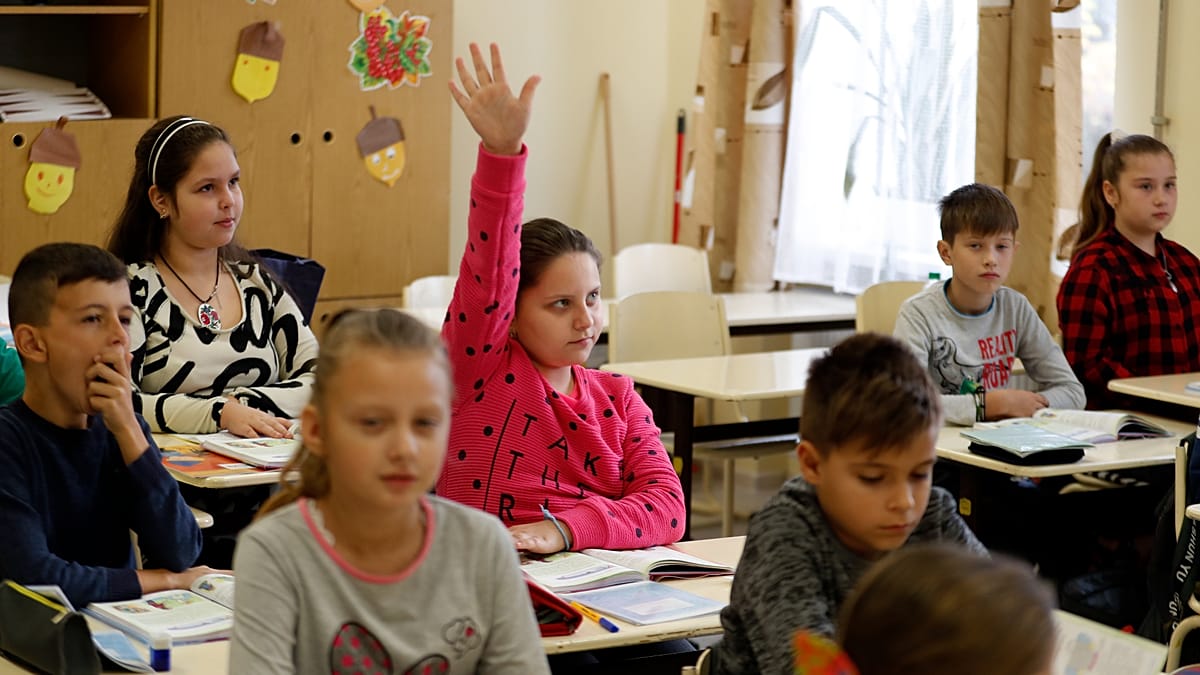
Today, Tregellas spends part of his time speaking, often to students, about what he witnessed on 9/11. For many of them, the attacks are something they have only learned about in history books.
When speaking to Fox News, he got emotional. He took a beat with a heavy sigh that held weight as if sharing his experiences with younger generations brought him back in time to those moments.
Tregellas knows he and others on the ground will never forget. But feels it’s vital to bring it to the forefront so the younger generations know, so they can remember.
“That’s where we bring it back,” Tregella said. “It’s an important part of history. And yeah, it united us. I think it still does at times.”
This week, on the 25th anniversary, he says most of all he looks forward to the shared solidarity.
CLICK HERE TO DOWNLOAD THE FOX NEWS APP
“It’s a week of, ‘we did it,’ this is how we did it and let’s look back and learn that together we can do a whole bunch,” Tregellas said. “And yeah, I’m proud to be a part of that.”