


 Weather
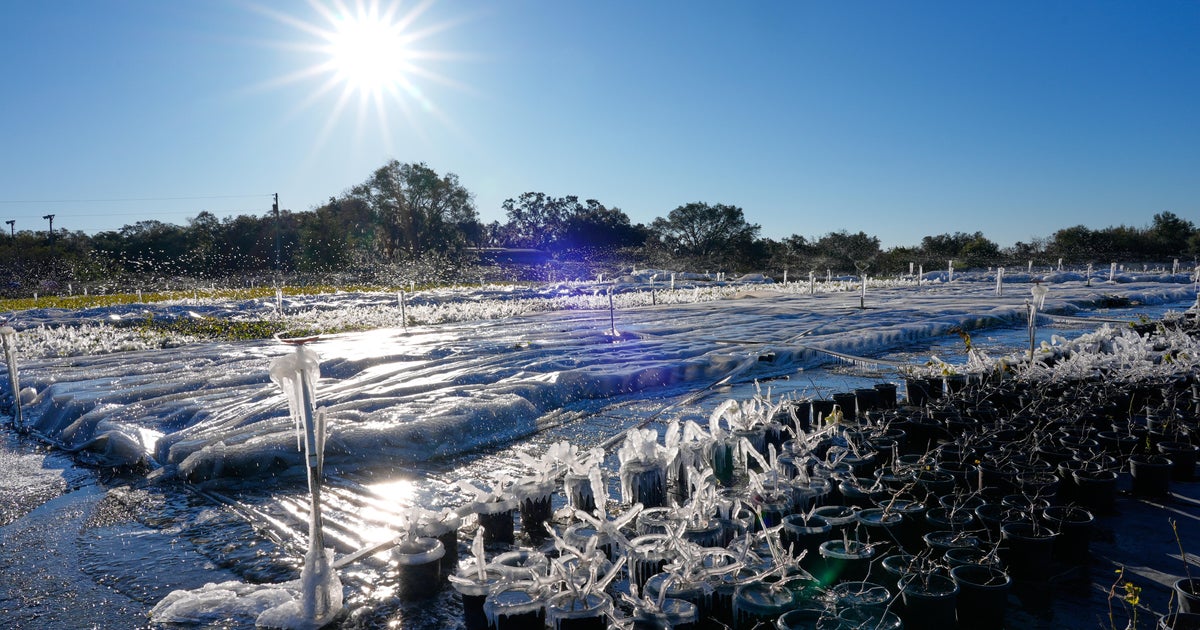
Blizzardlike conditions stemming from a “bomb cyclone” brought heavy snow to the Southeast and ushered in frigid temperatures to much of the East Coast, as tens of thousands of homes and businesses remained without power after being hit by a different icy storm last week that was to blame for dozens of weather-related deaths.
The winter storm on Sunday is finally moving off into the open Atlantic and pulling away from the Outer Banks of North Carolina. Minimal additional snowfall accumulation is expected after the city of Charlotte saw one of its heaviest snowfalls in years, with roughly a foot or more in parts of the region.
Coastal flooding, high winds and bitter cold continue to be of concern through Sunday afternoon as the storm pulls away.
About 150 million people were under cold weather advisories and extreme cold warnings in the eastern portion of the U.S., with wind chills near zero to single digits in the South and the coldest air mass seen in South Florida since December 1989, said Peter Mullinax, a meteorologist with weather prediction center in College Park, Maryland.
Sean Rayford / Getty Images
More winter weather leads to heavy snow, canceled flights and car crashes
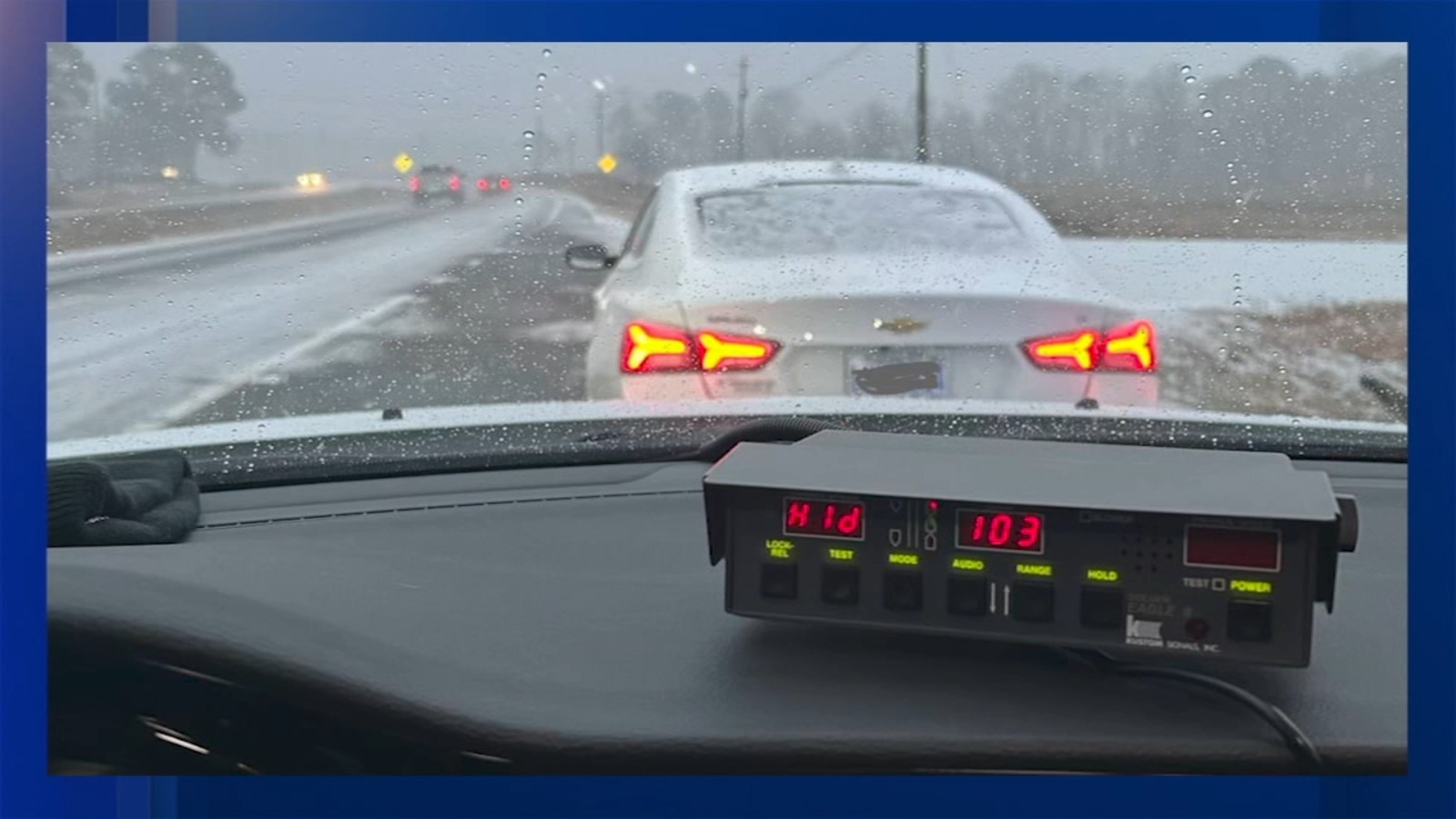
North Carolina Gov. Josh Stein urged residents to stay off the roads, saying at a news conference that there were more than 1,000 collisions this weekend. That includes a noninjury crash that dozens of semis and other vehicles backed up in an hours-long mess on Interstate 85 northeast of Charlotte, according to the State Highway Patrol.
The Tampa-St. Petersburg area in Florida saw snow flurries and temperatures in the 20s in the Panhandle and 30s in South Florida on Sunday morning, Mullinax said. That left cold-stunned iguanas lying prostrate and motionless on the ground. Iguanas in South Florida go dormant in the cold and though they usually wake when temperatures warm, the reptiles can die after more than a day of extreme cold.
John Raoux / AP 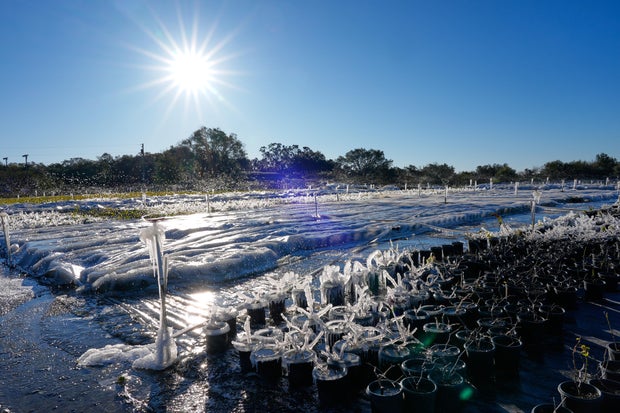
The cold also left ice on strawberries and oranges in the state. Farmers in Florida sometimes spray water on fruit trees and berry plants to protect them from the cold.
“It’s an impressive cold shot, for sure, and there are daily records that are being seen down in the South,” Mullinax said.
Flight cancellations exceeded 2,800 in the U.S. on Saturday, with another 1,700 on Sunday, according to FlightAware, a flight tracking and data company. About 800 of those Sunday cancellations were for flights departing or arriving at Charlotte Douglas International Airport.
Ongoing power outages
More than 146,000 homes and businesses, mostly in Mississippi and Tennessee, were without power Sunday afternoon, according to utility tracker PowerOutage.us. Many of those are residents in the South who have been without power for days since last week’s storm.
In Norfolk, Virginia, a Carnival cruise had to end its trip early due to the conditions, with passengers missing out on a stop to Turks and Caicos.
Erik Verduzco / AP 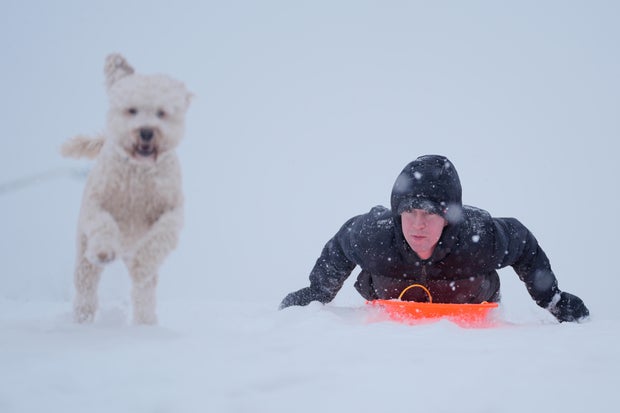
Across Tennessee, where temperatures were in the teens on Sunday, at least 35,000 were still without power. Nashville Electric Service said it expects 90% of its customers to have power restored Tuesday, with 99% getting electricity back by next Sunday, two weeks after the ice and snow storm hit.
Gov. Bill Lee said he shared “strong concerns” with the leadership of the utility, which has defended its response and said the storm was unprecedented.
Mississippi officials said it was the state’s worst winter storm since 1994. About 80 warming centers were opened and National Guard troops delivered supplies by truck and helicopter.
Terry Miles, 59, said Saturday that his home had not had power since the previous weekend. He is using a fish fryer for heat, though he worries about the dangers of carbon monoxide.
“I’m taking a chance of killing myself and killing my wife, because — Why?” Miles said after attending a Nashville Electric Service news conference intended to showcase the utility’s repairs on poles and lines. He then pointed to officials.
Spencer Platt / Getty Images 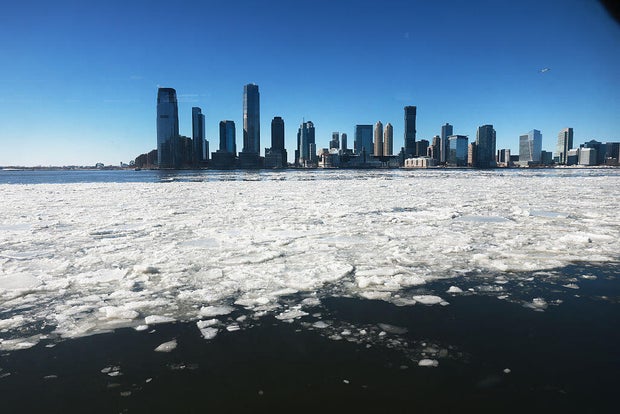
Grappling with freezing temperatures
At least 98 people have died from Texas to New Jersey, according to data collected by CBS News. Causes of death included hypothermia or exposure, carbon monoxide poisoning, and accidents like sledding crashes. Officials have not released specific details about some deaths.
Experts warned of the growing risks of hypothermia. Frostbite was also a concern in the South, where some people may lack sufficiently warm clothing, said Dr. David Nestler, an emergency medicine specialist at the Mayo Clinic in Minnesota. Wind chills will plunge well below zero across much of the region, with values near -20 degrees Fahrenheit in parts of the Ohio Valley on Sunday morning.
Alex Kent / Getty Images 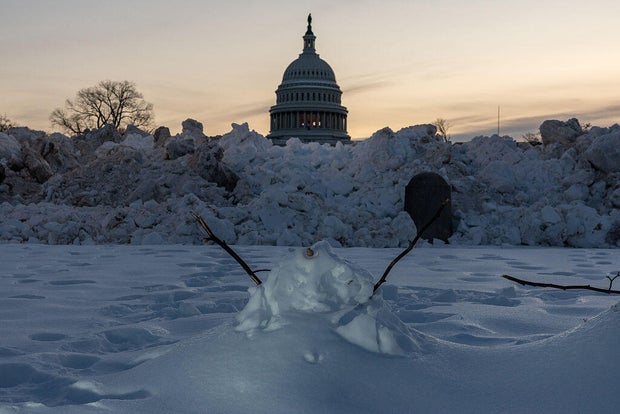
In the Northeast, it’s the second week of a deep freeze. Officials suspect frigid temperatures caused communication cables to fall from elevated subway tracks onto parked cars on Friday in New York City.
New York City crews have worked to melt more than 20 million pounds of snow, using what they are dubbing “hot tubs.”
And in Washington, D.C., the National Guard has joined the effort to remove dangerous snow and ice from schools in the city. The National Guard has troops standing by in 15 states to help communities recover.