




 Weather
Good morning. I’m Mared Gwyn.
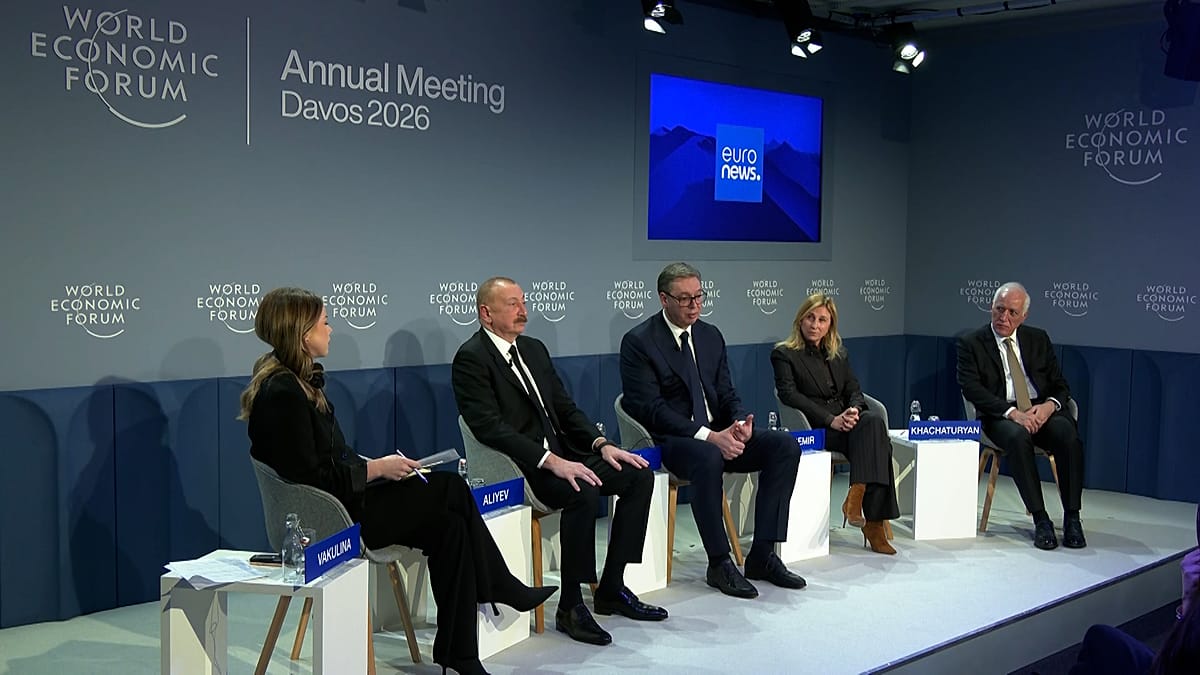
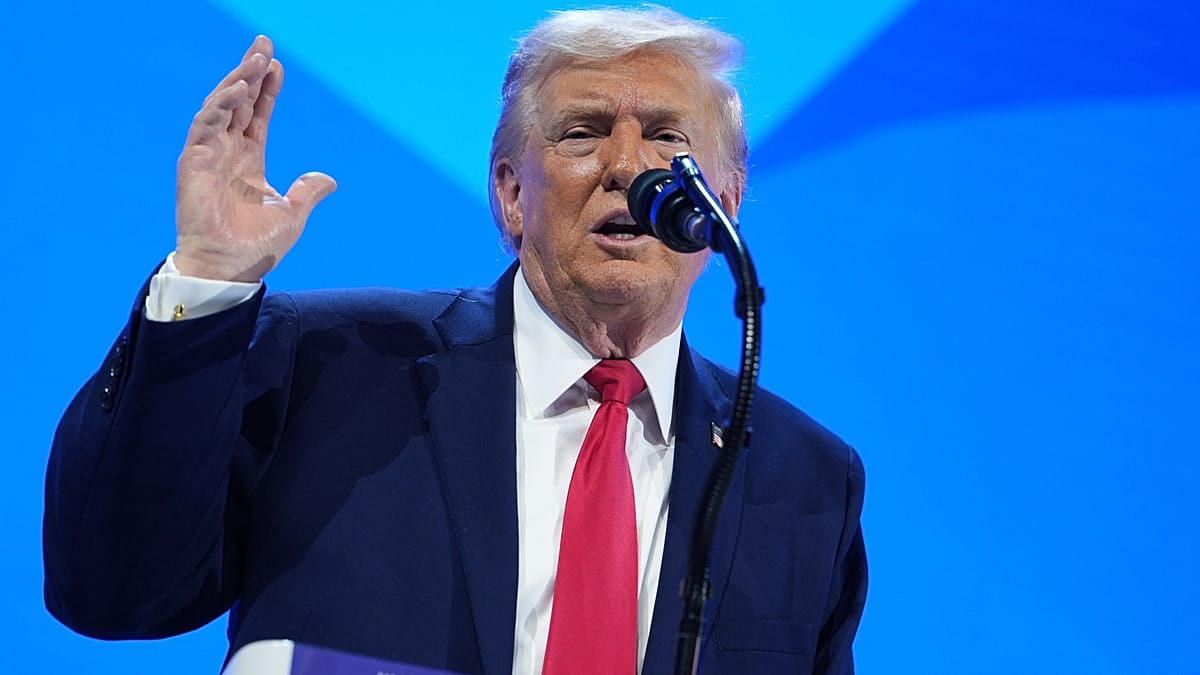
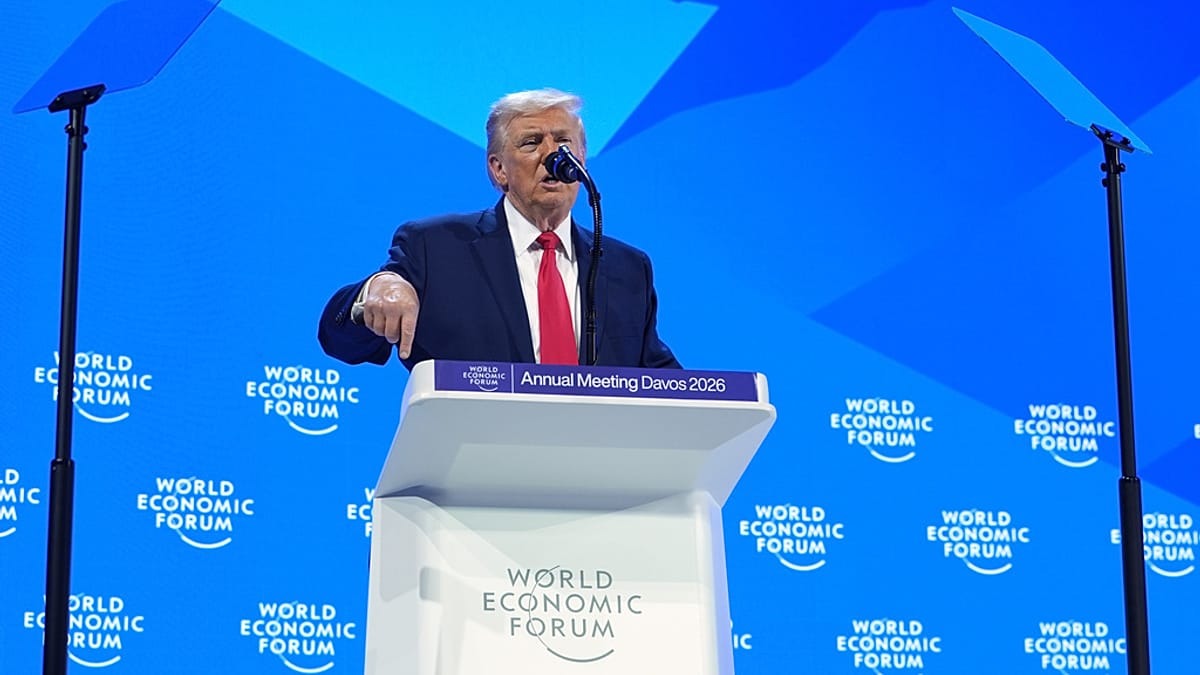
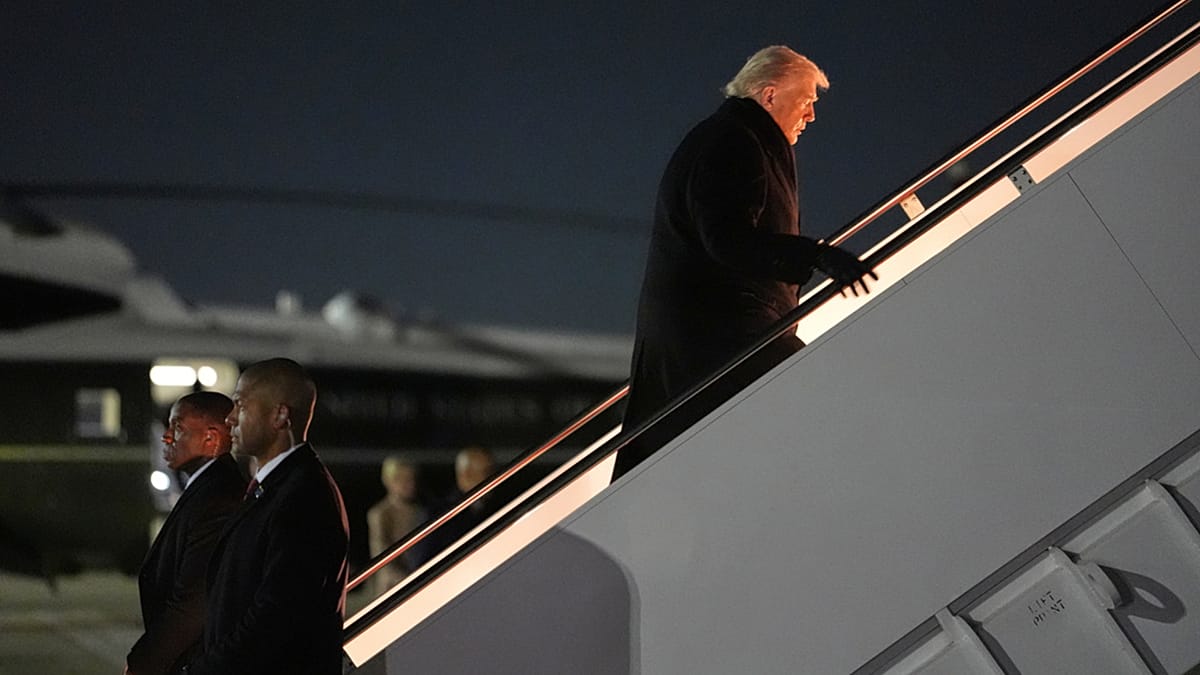
All eyes are on the World Economic Forum in Davos this morning, where a showdown over Donald Trump’s threats to seize control of Greenland looms. The US President is now en route to the Swiss Alps after a minor electrical fault forced his plane to turn back earlier.
European leaders are hoping Trump will also turn back on his threats to use tariffs to force the sale of Greenland when they meet him later. Belgian Prime Minister Bart de Wever’s message to Trump on Tuesday was: “Here and no further. Back down or we’re going all the way”.
The sharp shift in rhetoric from European leaders is setting the scene for a showdown.
French President Emmanuel Macron said on Tuesday that Europe “prefers respect over bullies” and that the EU “should not be hesitant” to use its trade “bazooka”, a powerful tool designed to retaliate on coercive states, on both to the US and China.
The bazooka is one of the options being readied by the EU in preparation for 1 February, when Trump says he will impose his tariffs over Greenland.
“This is crazy. I do regret that, but this is a consequence of just unpredictability and useless aggressivity,” Macon said, adding: “We have to remain very calm.”
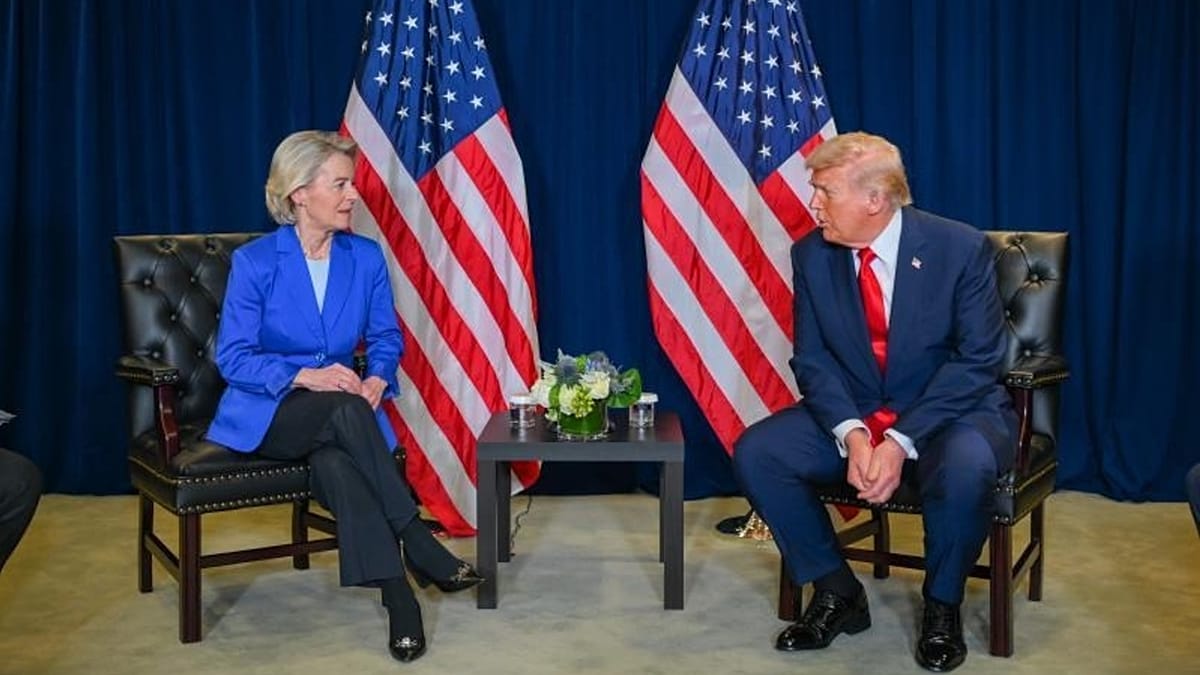
European Commission chief Ursula von der Leyen also vowed an “unflinching, united and proportional” EU response. She has since left the Swiss Alps for the European Parliament in Strasbourg, but is set return to Davos later in the hope of face time with Trump, Euronews has learnt.
Speaking to our EU editor Maria Tadeo live from Davos earlier, European Investment Bank chief Nadia Calviño said there was appetite for “dialogue” with the US, but urged Europe to focus on its “superpowers”. “Why would the US President spend so much time and energy attacking the EU? Because, united, we are unbeatable,” Calviño said.
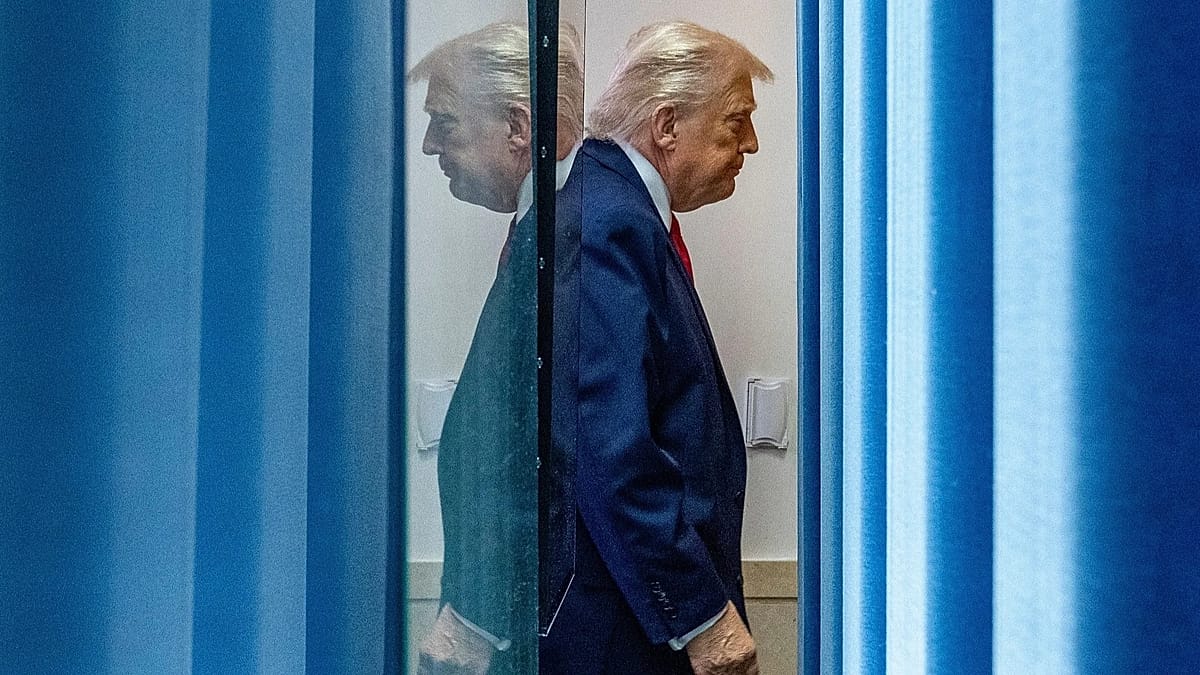
Hopes of a climbdown on Trump’s threats were dented yesterday when, asked how far he would go to acquire Greenland, the President told a White House press briefing: “You’ll find out”.
The feud is now eclipsing talks on Ukraine, originally intended to be the focus of the EU-US rendez-vous at Davos. The Financial Times reports this morning that a planned announcement of an $800 billion prosperity plan between Ukraine, Europe and the US at Daovs has now been delayed, citing six officials.
Also further down in this newsletter: why Trump’s invitations to world nations to join his Gaza Board of Peace is also complicating efforts to de-escalate the Greenland spat.
We also bring you the view from Strasbourg, where confirmation is expected today that the parliament will suspend a vote on the EU-US trade deal agreed in July, as previously reported by Euronews, in response to Trump’s tariff threats.
Speaking live to Euronews’ Vincenzo Genovese earlier**,** the president of the Liberal Renew Europe group in the European Parliament, Valérie Hayer, called for a dramatic shift in the EU’s strategy. **“**We should acknowledge that the appeasement strategy is over, and we should now play hardball,” she said, “because Donald Trump only understands (…) the language of strength.”
EU leaders to discuss Gaza Board of Peace as issue becomes entangled in Greenland dispute
The delicate balancing act facing Europe – as it seeks to defuse tensions with Trump over Greenland – is unexpectedly being complicated by United States President Donald Trump’s flurry of invites to world nations to join his Gaza Board of Peace.
The question of whether the EU should join the Board will now be part of the discussions when leaders gather for an extraordinary summit on Thursday evening. Diplomats worry the issue is becoming entwined with the Greenland crisis, as Europeans need to coordinate whether they accept their seats or not, risking infuriating the US President when tensions are already simmering.
France has said it does not intend to join over fears the Board’s charter – which makes no mention of Gaza – calls into question the “principles and structure of the United Nations” and grants “extensive powers” to Trump, the Board’s Chair. Trump has threatened a 200% tariff on French wine and champagne in retaliation.
Speaking to Euronews at Davos on Tuesday, Belgian Foreign Minister Maxime Prévot accused Trump of seeking to “replace the United Nations’ system” with his “own personal board.”
The sweeping mandate Trump is seemingly granting the board, and the glaring lack of focus on war-torn Gaza and its future, is also troubling officials in Brussels.
EU officials and diplomats have privately raised serious concerns about the board’s framework, members’ selection, mandate and governance structure, and want it to revert back to Gaza rather than create a parallel UN Security Council.
And while a Palestinian-led technocratic committee has been tasked with leading Gaza’s day-to-day affairs, there are concerns about the lack of Palestinian representation on the two separate senior panels of the Board, which oversee investment, diplomacy and governance.
The invitation handed to Russian President Vladimir Putin to sit on the board also makes Europe’s participation politically untenable. Hungarian Prime Minister Viktor Orbán has already accepted his seat, in a sign the issue could drive a wedge between EU countries.
Vote on referring EU-Mercosur deal to top court set to split the European Parliament
The European Parliament will decide today whether to refer the EU-Mercosur trade agreement to the EU Court of Justice and delay the deal’s approval, my colleague Vincenzo Genovese reports from Strasbourg.
The vote is expected to be very tight, splitting the Parliament in half and dividing many political groups.
The Liberal Renew Europe, the Greens/EFA, and the Left promoted a vote on the court referral, but rifts have since emerged among the Liberals and Greens, with some national delegations indicating they will vote against or abstain.
The far-right Patriots of Europe are in favour and will back the move despite it coming from the left of the parliament.
The vote could also split the chamber’s two biggest groups on the centre-right and centre-left, which are in principle against the court referral. The Polish, Irish, Dutch, Slovenian and potentially Hungarian members of the European People’s Party (EPP) could break ranks with their group’s line.
The total count suggests a few dozen votes against the referral, but much will depend on how many MEPs will be absent from Strasbourg or decide to abstain in the vote.
If approved, the referral would kick the can down the road on the EU-Mercosur’s approval in parliament, which could be delayed by more than one year ahead of the Court’s assessment.
More from our newsrooms
Marine Le Pen denies her party had ‘organised system’ to misuse EU funding in critical appeal trial. The three-time presidential candidate returned to court in Paris on Tuesday in a trial that will determine whether she will be able to run in the 2027 presidential ballot, or whether her current ban from political office will remain in place. Our Paris correspondent Sophia Khatsenkova has the details.
One person killed in Barcelona commuter train crash, days after deadly collision in Adamuz. A Barcelona commuter train crashed Tuesday after a retaining wall fell onto the tracks, Spanish regional authorities said, killing at least one person and injuring 37 others.Read.
We’re also keeping an eye on
- The European Parliament’s plenary session continues in Strasbourg
- Donald Trump addresses the World Economic Forum in Davos, Switzerland. European Commissioners also attend.
That’s it for today. Vincenzo Genovese, Jorge Liboreiro and Alice Tidey contributed to this newsletter. Remember to sign up to receive Europe Today in your inbox every weekday morning at 08.30.
Read the full article here