



 Weather
Published on
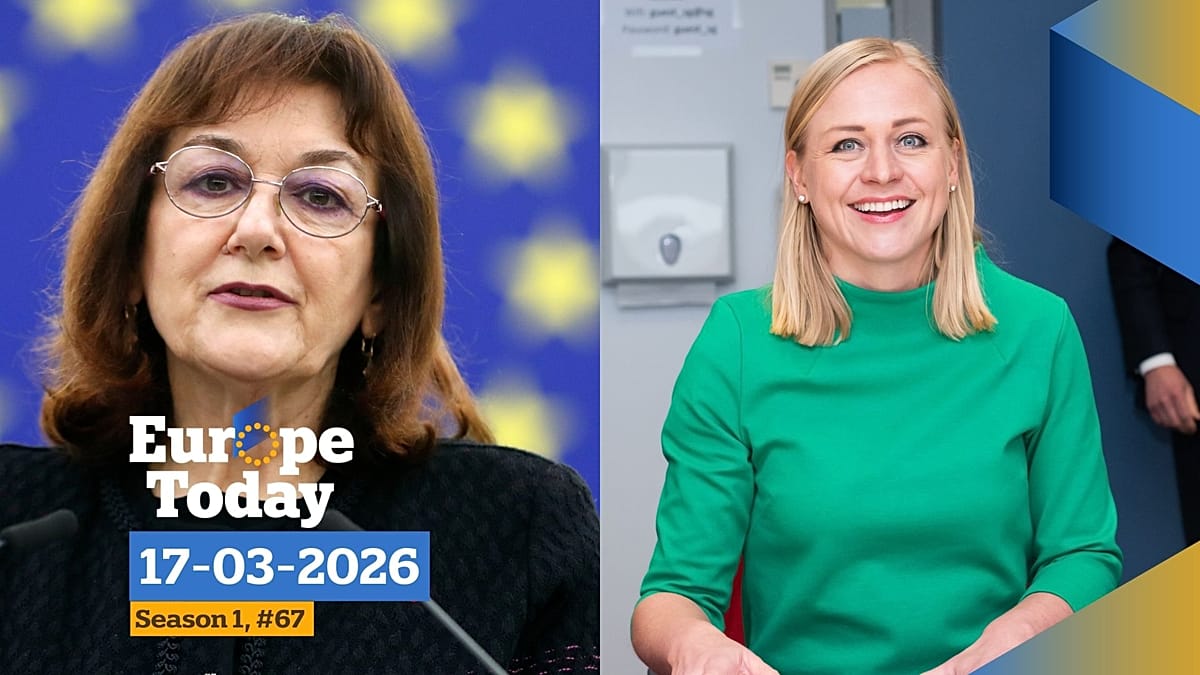
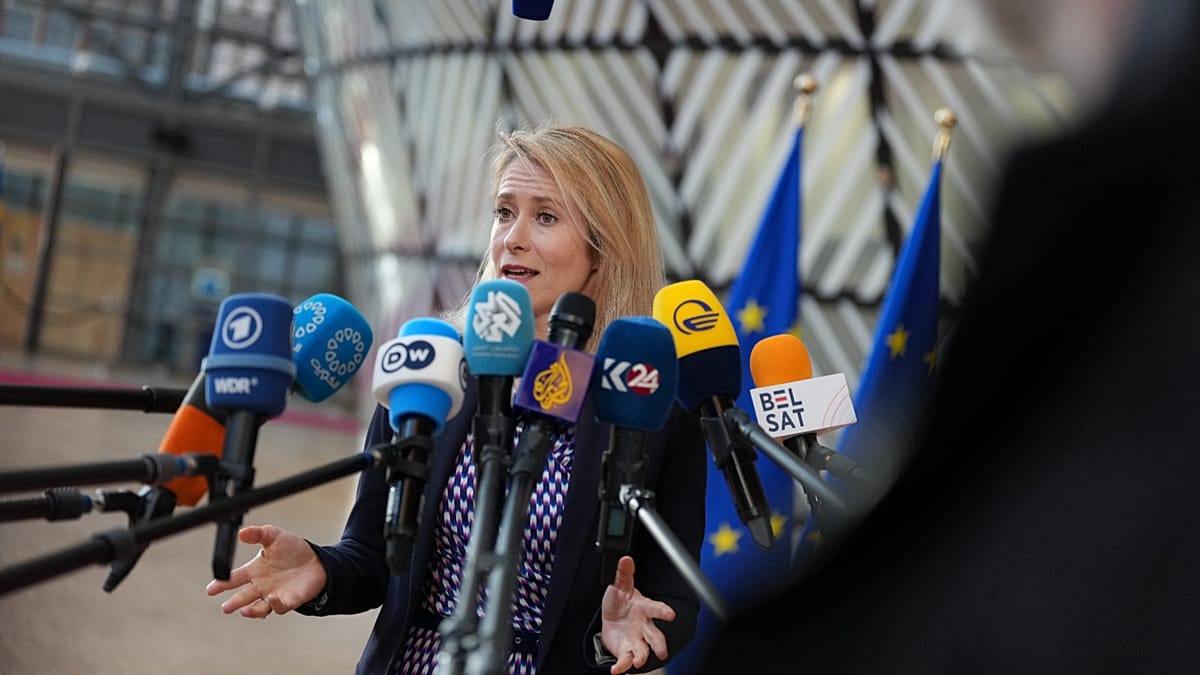
Finnish Foreign Minister Elina Valtonen said NATO is not obliged to respond positively to demands by Donald Trump that the alliance help reopen the Strait of Hormuz arguing that NATO’s raison d’être is the defence of Europe and the North Atlantic.
ADVERTISEMENT

ADVERTISEMENT
Valtonen also stressed that NATO is a “defensive” organisation and will not be drawn into a war of its choosing, in an interview with Euronews’s flagship Europe Todayshow.
“NATO is indeed a defensive alliance, and we won’t be dragged into any war of choice”, she said. Valtonen said a like country like Finland is also focused on its own security needs, protecting what she called a long border with Russia for NATO.
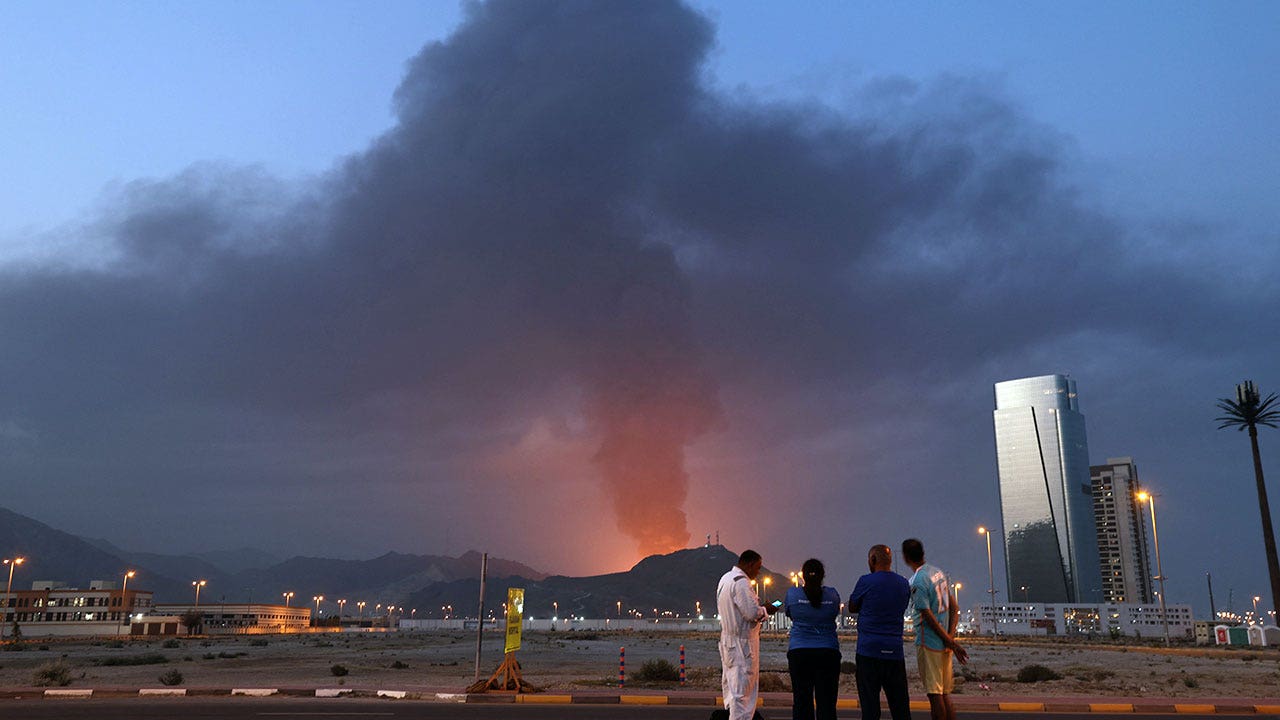
However, given the impact the Strait’s effective closure is having on global oil prices, pushing oil prices $100 a barrel, it’s in Europe’s interest for it to be secured, Valtonen said.
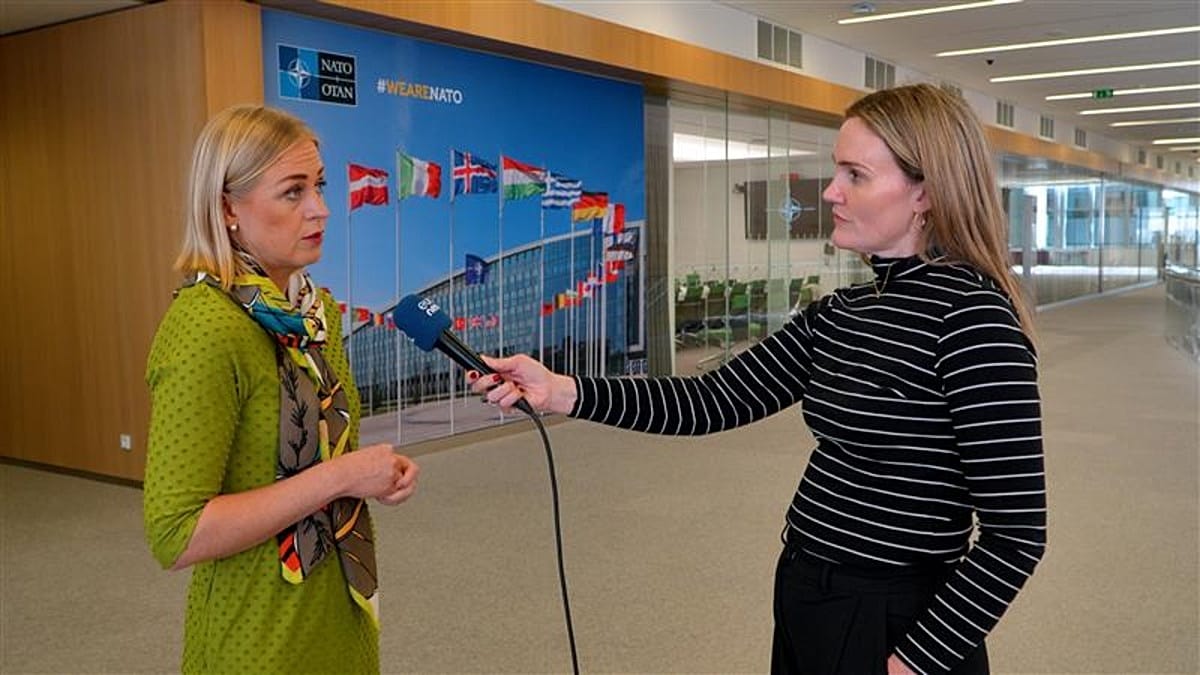
“We of course have a collective interest – and I should say not only within NATO – but as the world, to have the oil flowing, to de-escalate, and that is certainly something we are calling for”, she told Euronews in an interview at NATO HQ in Brussels.
Trump threatened his allies saying NATO would have a ‘bad future’ if they didn’t rush to assist the US secure the strait which has been largely unviable for international shipping, and crucially, for the passage of about one fifth of the world’s crude oil and LNG gas.
Valtonen said Europe will discuss a potential operation in the coming days, and said the time when Europe uses leverage over the US in its time of need in the Gulf was “approaching.”
However, the EU’s 27 foreign ministers have balked at the idea of expanding the remit of the EU’s naval mission Aspides to be deployed to the Strait of Hormuz despite calls from the US to help unblock the waterway carrying one fifth of the world’s oil supply.
The discussion also has implications for Ukraine.
Refusing to be drawn on what type of quid pro quo Europe could negotiate in exchange for helping the US, Valtonen said Ukraine and Europe have “very strong cards”.
One of them is the expertise Ukraine has acquired in intercepting Iran-made Shahed drones used by Russia, which Tehran is now firing off on the Gulf countries. These drones are much cheaper to make compared to traditional missiles and create chaos on the ground as well as cramming air defense systems.
Ukraine has the most effective rate of interception building over the course of the four-year long full-scale invasion and their techniques could now be deployed to the Middle East. Last week, Ukrainian President Volodymyr said he would share knowledge through a team of experts with the Gulf nations, heavily impacting by Iranian strikes.
“There’s a lot of leverage that we can also make use of”, she said. “Ukraine and Europe have very strong cards, especially in the long term.”
Read the full article here