




 Weather
Micro-retirement, popularised mainly by Gen Zers and millennials in the last few years, has significantly reshaped how these generations are choosing to travel.
With global burnout rates alarmingly high and traditional life milestones, like being able to buy a house, becoming more unattainable for many younger workers, micro-retirements are a way to achieve greater work-life balance and personal fulfilment.
“Younger generations place greater emphasis on wellbeing and experience than on traditional forms of professional progression. Work patterns have also changed, with hybrid roles, remote work and portfolio careers making it far easier to pause between positions or relocate temporarily,” Andrew Harrison-Chinn, chief marketing officer (CMO) of Dragonpass, told Euronews.
“Rising stress levels mean that planned intervals of rest are increasingly viewed as essential to long-term productivity,” he added.
What are micro-retirements and what’s driving their recent boom?
Essentially, micro-retirement trips are intentional, extended career breaks, lasting anywhere from a few months to over a year.
They are often taken multiple times, well before traditional retirement age, and are focused on avoiding burnout, resetting before a major career or life change, travelling, new experiences, passion projects and more.
In travel, micro-retirements often arise from a shift from delayed gratification in the future to making memories in the present – beyond the traditional student gap year. Travellers want more flexibility and genuine cultural immersion, arising from longer trips and greater financial stability.
Self-actualisation, fear of missing out, burnout recovery and a quest for better work-life balance are all key drivers of this travel trend, with micro-retirements offering a range of productivity benefits too.
However, unlike sabbaticals, these trips are usually self-funded, without a clear plan of returning to an existing job or career path. Sometimes, they may be paired with freelance, remote or part-time work, while deciding on a broader career move.
“Itineraries are longer and slower, planning is more flexible, and destinations are chosen for their combination of lifestyle, connectivity, and access to wellness. Travellers think not only about where they go but about how the entire journey will feel, including the airport experience,” Harrison-Chinn said.
“There’s also a growing expectation for everything to be seamless and digital from start to finish, anything that removes friction and helps the journey feel smooth and intuitive resonates strongly with them,” he added.
According to recruitment marketing platform Joveo, more than 10 per cent of workers were considering micro-retirement by mid-2025. Another survey by SideHustles.com revealed that 54 per cent of respondents believed that micro-retirements prevented burnout.
This has led to a number of global destinations seeing a surge in popularity due to micro-retirement holidays. This includes a mix of well-being, adventure, cultural and digital nomad hubs.
So which are the best micro-retirement destinations for 2026?
Bangkok: Buzzy neighbourhoods on a budget
Bangkok is one of the best cities for micro-retirements, mainly because of its relatively low cost of living compared to other European and global cities. However, the city still offers high-quality and affordable essential services like healthcare facilities.
This allows saved funds to stretch further, supporting a longer, more immersive holiday and reducing stress, while you figure out what’s the best next move for you.
Experience centuries-old Thai culture, from serene temples to bustling night markets, while tucking into a range of delicious street food like pad thai, mango sticky rice, sahlahpao (steamed buns) and banana roti.
Visit the Grand Palace, Wat Pho (Reclining Buddha) and Wat Arun, or head to malls like IconSiam for some retail therapy, followed by a leisurely river cruise.
For a more relaxing and rejuvenating time, the city has several yoga, meditation and spa spots like Lotus Wellness and The Green Room Yoga. Stay in Siam for a central location, Sukhumvit for a more modern buzz, or Khao San offers a budget-friendly option.
Bangkok is also an affordable gateway for travellers wishing to explore the rest of Thailand or Southeast Asia on their micro-retirements.
With a thriving English-speaking expat community, Bangkok offers a number of networking opportunities for those who need some guidance on what career path to choose next, too.
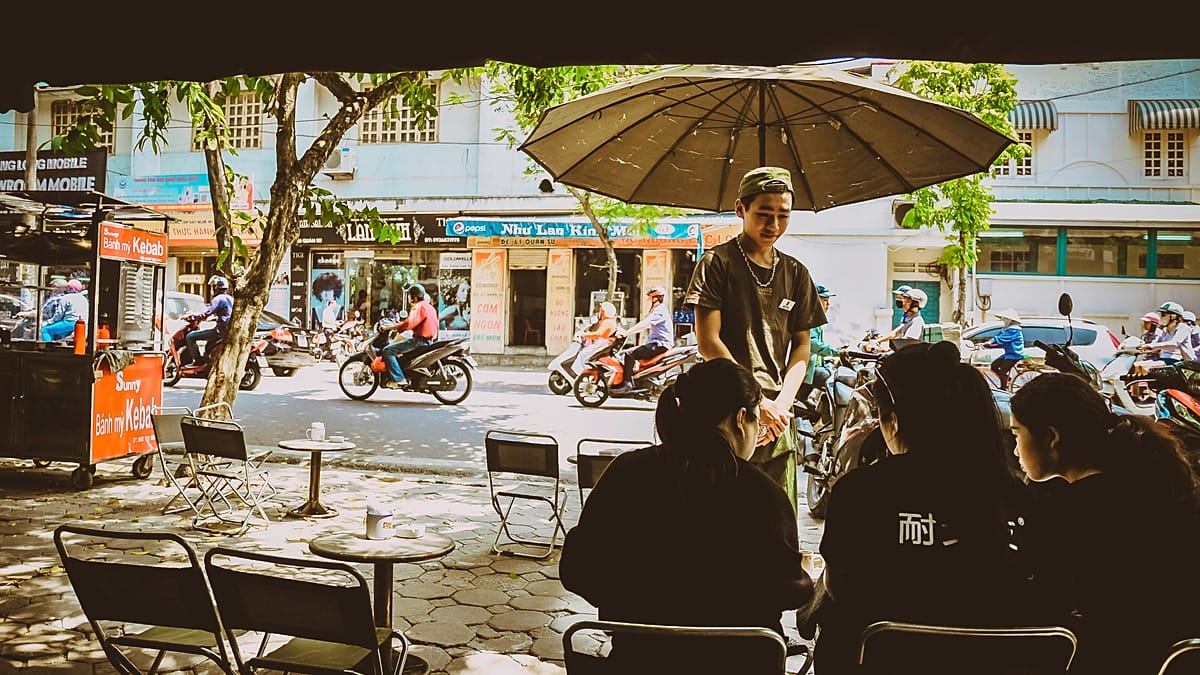
Hanoi: French-Asian fusion and digital nomads
Hanoi is another great option for micro-retirees looking for a similar vibe to Bangkok, but also wanting to combine some form of freelance or remote work while deciding on their next big move.
Several areas are walkable and compact, with relatively cooler and more pleasant weather due to its lakes compared to other Southeast Asian hubs. Not only is the cost of living extremely low, but Hanoi also offers great internet and infrastructure, along with a welcoming and helpful expat community and plenty of active social media groups for support.
Enjoy the city’s rich history, shaped by a fusion of intricate Southeast Asian and French influences. Take a boat ride on the beautiful West Lake or visit the Tran Quoc Pagoda and the Quan Thanh Temple.
Wander the narrow, atmospheric lanes of the Old Quarter, or head to the Hoa Lo Prison or the Vietnam Museum of Ethnology for a dose of history.
Don’t forget to gorge on delicious street food like pho, bun cha (grilled pork patties with vermicelli noodles) and egg coffee. If you’re after a more unique dining experience, try the thrilling Train Street for a row of cafés along a railway.
Stay in the Old Quarter, if it’s your first time in Hanoi, or choose the French Quarter for beautiful architecture and proximity to Hoan Kiem Lake.
Lisbon: Sunny weather and culture on Europe’s doorstep
Lisbon is another good option for micro-retirement trips, mainly due to its unbeatable European location, sunny climate, safety and culture. It also offers excellent and affordable healthcare and is cheaper than other major European cities such as London, Paris and Dublin.
Similar to Hanoi, Lisbon is quite walkable, with great public transport links such as buses, trains and the metro, while providing access to an English-speaking professional and local community.
Explore historic neighbourhoods like Alfama and Belém, or head downtown to Baiza or Bairro Alto for a more trendy and modern vibe. Take a ride on the charming 28E tram for picturesque city views.
Culture lovers can visit St. George’s Castle and Lisbon Cathedral, the LX Factory, or the Oceanário, one of Europe’s largest aquariums, for a fun day out.
Tuck into traditional dishes like bifana (pork sandwiches), bacalhau (salt cod dishes) and pastéis de Nata (custard tarts).
Budapest: Stunning architecture and atmospheric river vibes
Budapest is another low-cost, green and culture-rich destination for Gen Zers on micro-retirement holidays.
The city offers high-quality dining, accommodation and entertainment options at a fraction of Western European costs, along with excellent public transport and good healthcare facilities.
Marvel at beautiful architecture at iconic locations like Buda Castle, Fisherman’s Bastion, Hungarian Parliament Building and Stephen’s Basilica. Wander around Heroes’ Square or explore the Jewish Quarter. Looking for an added thrill? Ride the Budapest Eye, followed by a serene walk along the Danube River.
Budapest also has a number of atmospheric thermal baths like the Rudas Baths and the Széchenyi Baths, for more old-world charm.
Visit ruin bars like Koleves Kert and Szimpla Kert for a unique night out, or head to landmark cafés like New York Café. Try Hungarian classics like goulash, chimney cake and chicken paprikash.
Stay in District 7 for easy access to the Jewish Quarter and nightlife, or choose Castle District (District 1) for a quieter time with lovely views.
Tashkent: Silk Road charm with a modern twist
Often overlooked for more popular European and Southeast Asian destinations, Tashkent is a fast-emerging central Asian micro-retirement destination. Both affordable and richly historical, the city offers a vibrant but unique vibe with good digital services and transport facilities.
For micro-retirees who want new and offbeat experiences, away from the Western European hype, Tashkent blends ancient Silk Road heritage, modern infrastructure and beautiful architecture with easy access to the rest of central Asia.
However, it is still safe and welcoming to newcomers, while providing a slower pace of life ideal for reflection, relaxation and creative inspiration.
Explore historic sites like the Amir Timur Square, Hazrati Imam Complex, Independence Square and Chorsu Bazaar. Visit the Tashkent City Park or catch a show at the Navoi Theatre.
Dig into local delicacies like plov (pilaf), shashlik (kebabs) and manti (steamed dumplings) and don’t forget to try the traditional fresh round Uzbek bread, non.
Stay in Mirzo Ulugbek or Yakkasaray for central access to key sights or Yakkasaray for budget-friendly options.
Read the full article here