



 Weather
NEWYou can now listen to Fox News articles!
Iraq is preparing for the possibility that Islamic State fighters could spill across the border from Syria, the country’s foreign minister said Thursday. It comes just one day after the U.S. military formally ended its counter-ISIS mission in Iraq.
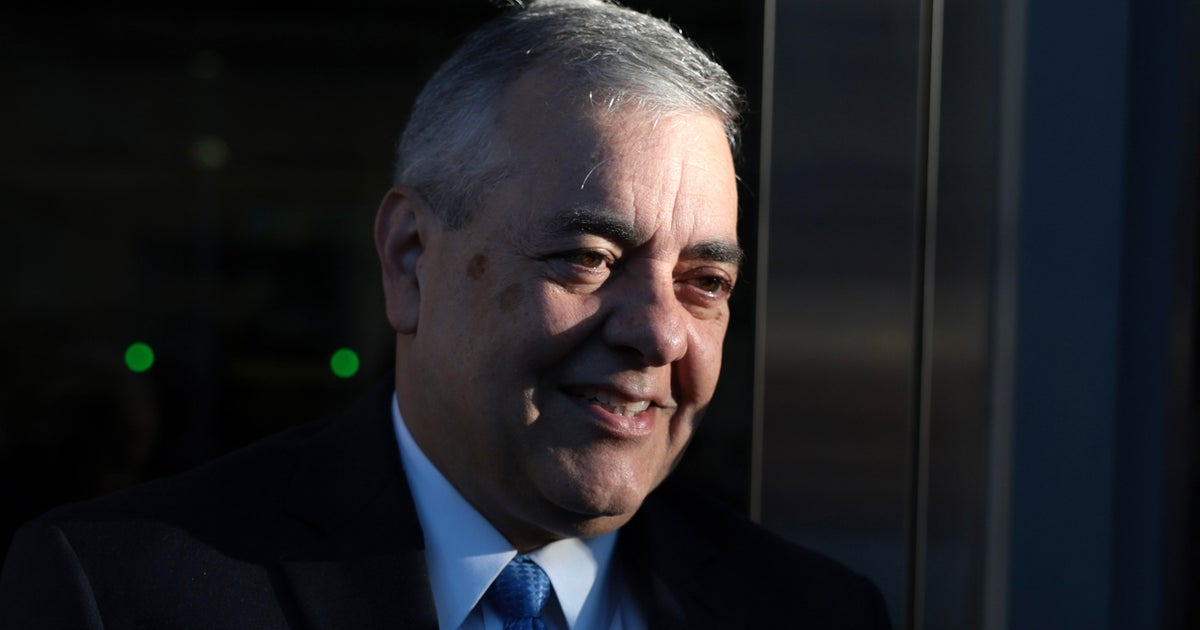
Foreign Minister Fuad Hussein told reporters in Washington, D.C., on Thursday that Baghdad is closely watching recent ISIS activity in neighboring Syria, and warned that fighters crossing into Iraq could once again pose a threat to the country’s security.
“We are worried about ISIS activities inside Syria,” Hussein said, adding that Iraqi forces were preparing to confront any movement toward the border. Still, he stressed that Baghdad believes its military can now handle the terrorist group without the large U.S.-led coalition presence that helped defeat ISIS’s self-declared caliphate.
ISIS POISED TO EXPLOIT HISTORIC US IRAQ EXIT, TERROR GROUP ‘ACTIVELY WAITING IN THE GAPS,’ EXPERT WARNS
“If they would be capable to cross the border, that would be once again a threat to our security,” Hussein said. “We are preparing ourselves – if there will be any movement from inside Iraq — to fight them and to defeat them.”
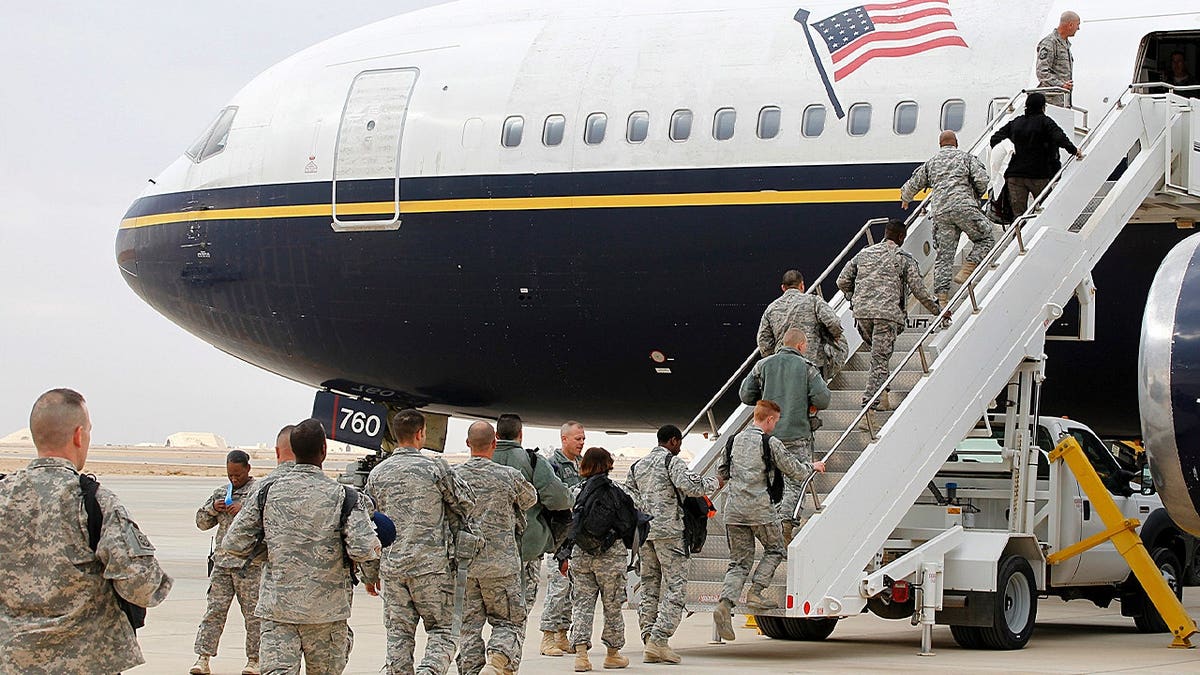
The warning came just after the departure of the final U.S. forces under Operation Inherent Resolve on Wednesday.
US FACES ANOTHER MAJOR MIDDLE EAST TROOP WITHDRAWAL, BUT THREAT REMAINS
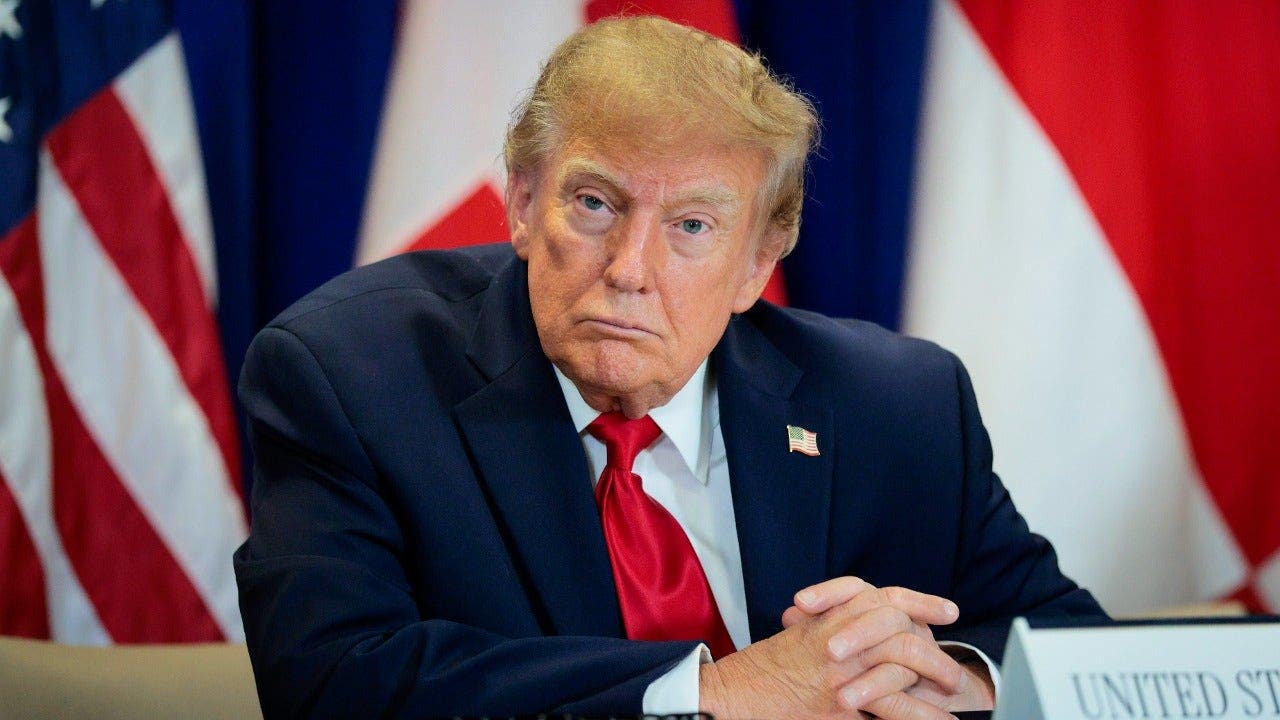
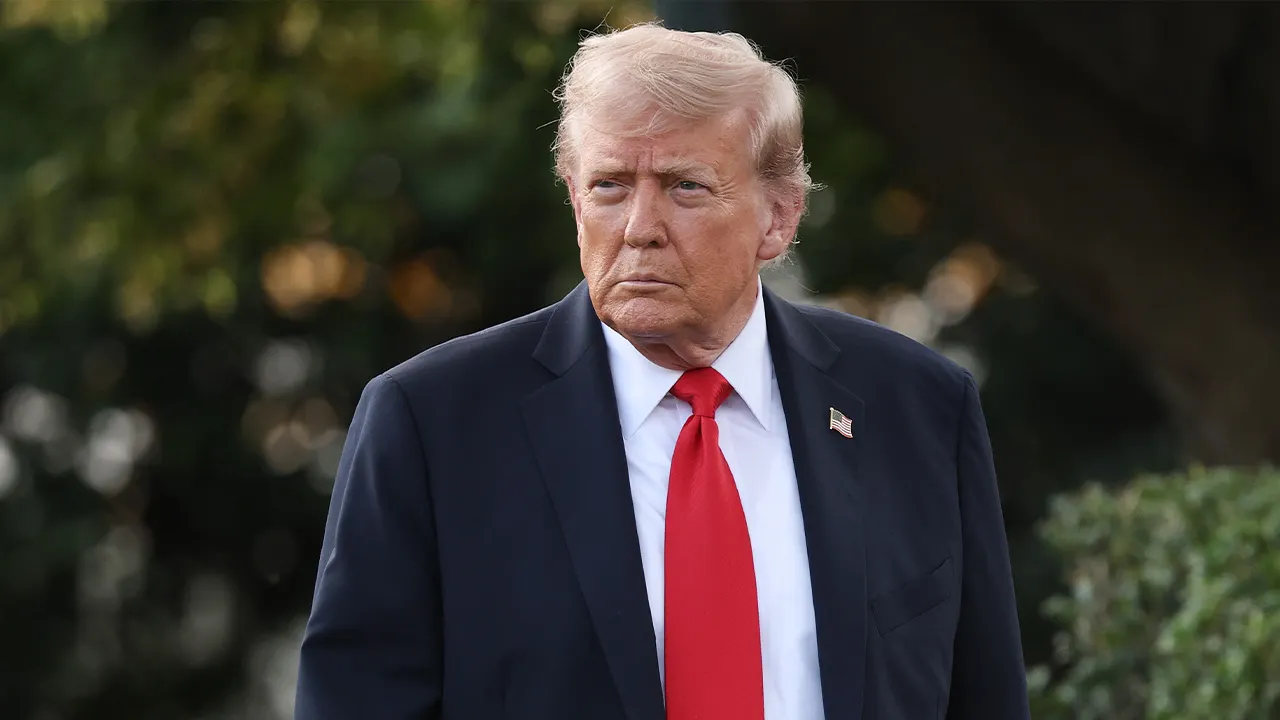
Trump hailed the withdrawal as a victory over ISIS, saying the terrorist group had been “completely decimated.”
“We came to fight a caliphate, and there is no longer a caliphate, so we are going home,” Trump said. “This day is a victory for the United States, a victory for Iraq, and a decisive victory over ISIS.”
But Hussein’s warning came four days after Syrian authorities said they dismantled an ISIS cell operating across four provinces, arresting four of its leaders and seizing explosives that had been prepared for attacks. The cell had carried out kidnappings and was involved in assassinations and planting explosive devices, according to Syrian security forces.
U.S. officials assess that ISIS has been severely degraded and no longer poses a systemic threat to Iraq, but the terrorist group maintains scattered cells across Iraq and Syria. The Pentagon has said Iraqi forces are capable of suppressing the remaining threat themselves, while U.S. forces continue counter-ISIS operations in Syria aimed at preventing the group from reconstituting.
The withdrawal marked the end of a U.S. military mission in Iraq that, in different forms, stretched across more than two decades and reshaped American foreign policy. The 2003 invasion toppled Saddam Hussein but gave way to years of insurgency and sectarian violence. Nearly 4,500 U.S. service members were killed before American forces withdrew in 2011.
Three years later, U.S. troops returned as ISIS swept across large parts of Iraq and Syria, seizing Mosul and declaring a self-styled caliphate. The U.S. launched Operation Inherent Resolve in 2014, leading an international coalition that helped Iraqi forces reclaim the territory ISIS had captured.
After the withdrawal, Iraq intends to pursue a bilateral security relationship with the U.S., though discussions on what that will look like have not yet begun.
He said Baghdad and Washington had discussed the principle of a future security relationship while negotiating the coalition’s departure, but still need to work out the details, including what kind of training, intelligence sharing or other military cooperation could continue.
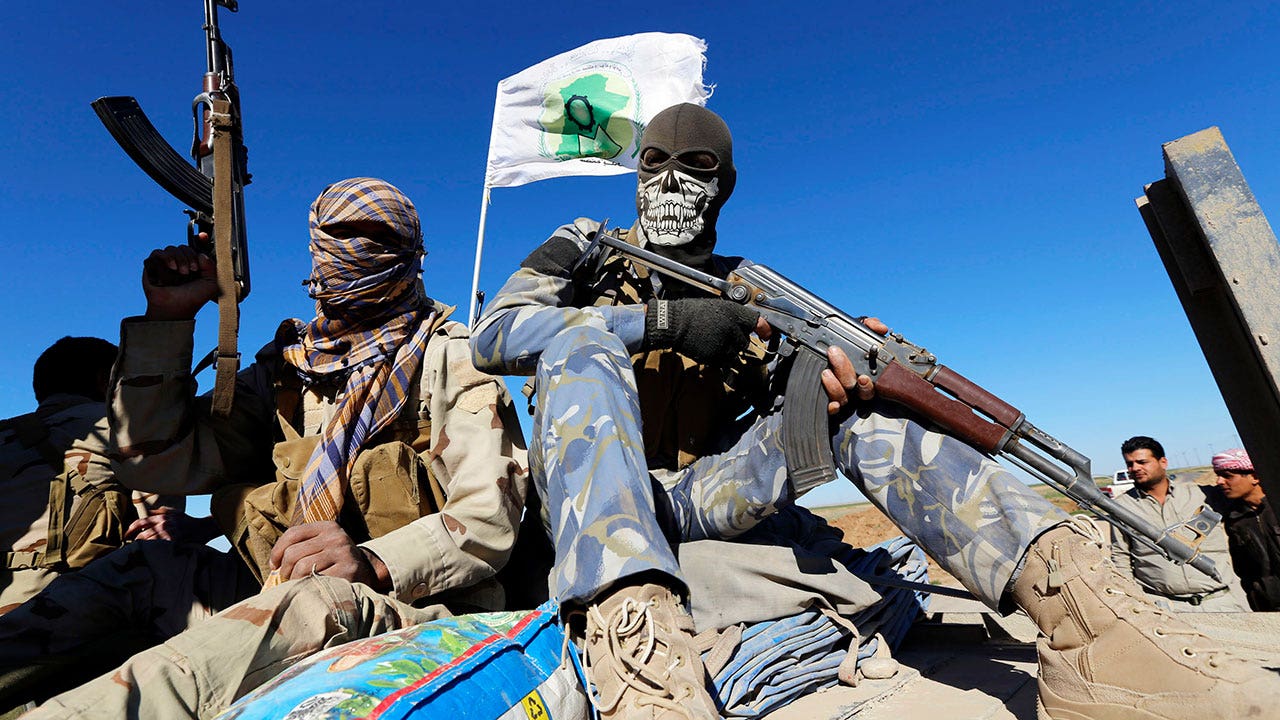
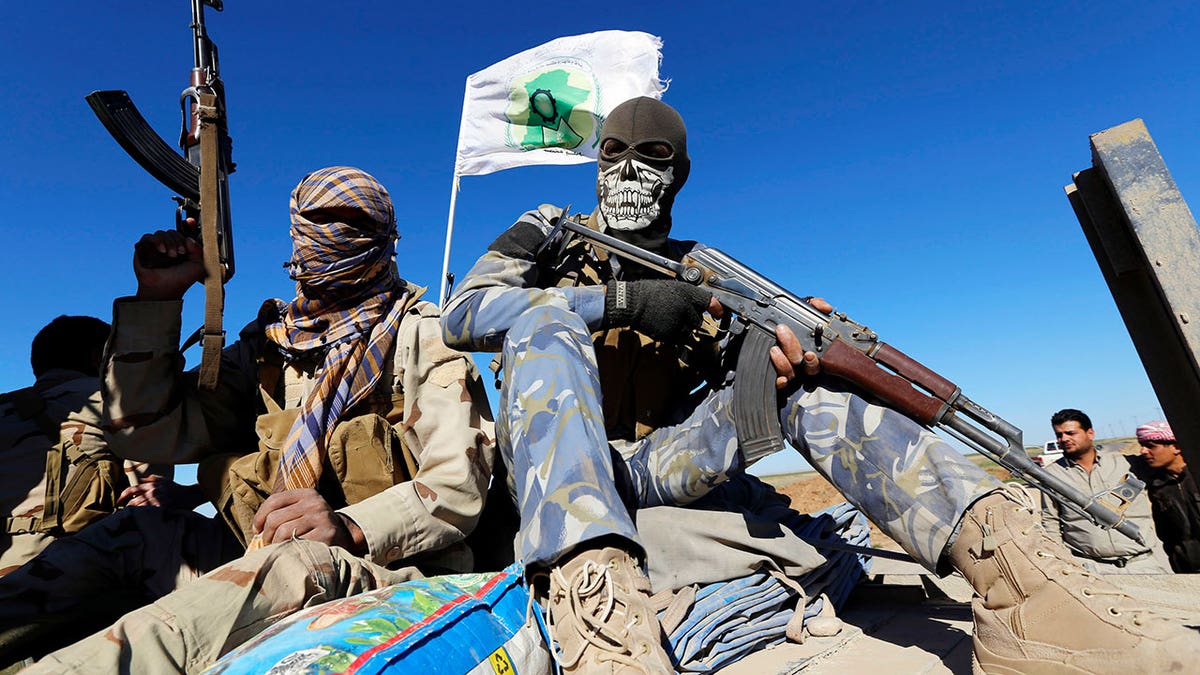
At the same time, Baghdad is moving to bring Iran-backed militia groups operating outside the regular security forces under government control, another longstanding source of friction between Iraq and the U.S.
Iraq had originally set a Sept. 30 deadline — coinciding with the U.S.-led coalition’s withdrawal — for armed groups to lay down their weapons or come under state authority. That deadline has since slipped to June 2027 as some powerful factions resist disarmament.
Hussein said one group had issued a statement Thursday backing the government’s plan and another was expected to follow within a day, while negotiations continued with others.
“A single group will not be allowed to take the decision in their hands and attack other countries,” Hussein said.
That question has taken on new urgency as Iraq tries to contain the fallout from the war between the U.S. and neighboring Iran. Hussein confirmed that a recent attack on Saudi Arabia originated from Iraqi territory near the Iranian border, prompting an investigation by Baghdad and consultations with both Riyadh and Tehran.
Hussein said he had been in contact with Saudi Foreign Minister Prince Faisal bin Farhan over the attack and planned to visit Riyadh to discuss the matter further. The investigation remains ongoing, he said.
CLICK HERE TO DOWNLOAD THE FOX NEWS APP
More broadly, Hussein described Iraq as caught in the middle of the U.S.-Iran conflict, saying Iraqi territory had been struck by both sides.
“We became a victim of this war,” Hussein said.
Baghdad has pressed both Washington and Tehran to resolve the conflict through negotiations, Hussein said, while seeking to keep Iraq from being drawn further into the fighting.
Read the full article here