




 Weather
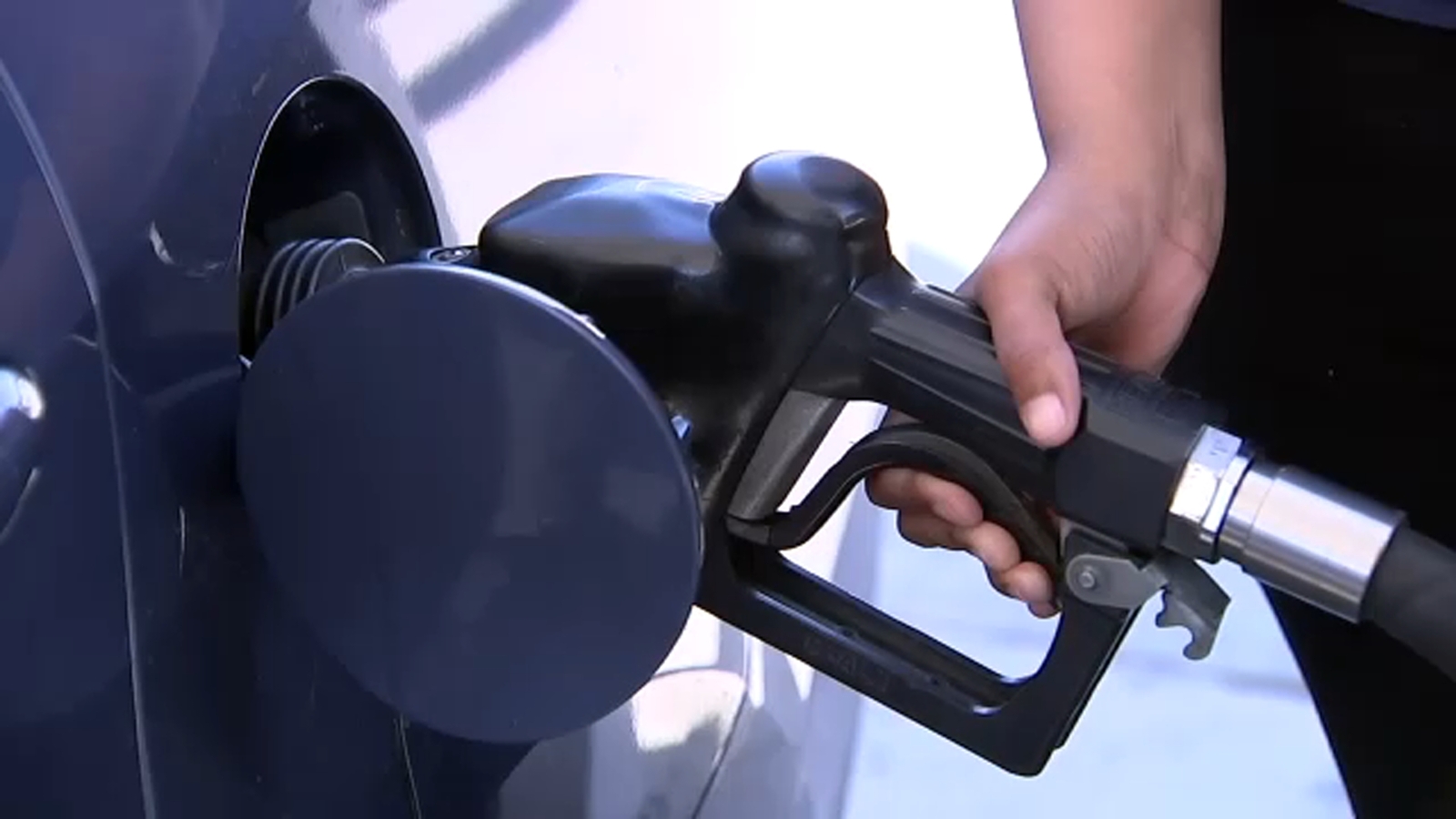
LOS ANGELES () — The average price of a gallon of self-serve regular gasoline in Los Angeles County rose Wednesday to its highest amount since Oct. 19, 2023, increasing 2.6 cents to $5.659, as the Iran war continued to rattle the global flow of oil, with steeper fuel costs already straining households worldwide.
The average price in L.A. County has risen 27 of the past 28 days, increasing $1.04, including 1.5 cents on Tuesday, according to figures from the AAA and Oil Price Information Service. It rose 10 consecutive days, was unchanged March 1 and resumed rising the following day.
The average price is 28.3 cents more than one week ago, $1.04 higher than one month ago and $1.002 greater than one year ago. It is 83.5 cents less than the record $6.494 set on Oct. 5, 2022.
The Orange County average price rose to its highest amount since Oct. 13, 2023, increasing 2.6 cents to $5.624. It has risen 49 consecutive days, increasing $1.381, including 2.7 cents on Tuesday.
The Orange County average price is 28.5 cents more than one week ago, $1.076 higher than one month ago and $1.005 greater than one year ago. It is 83.5 cents less than the record $6.459 on Oct. 5, 2022.
Prices were rising slightly in line with seasonal norms before the joint U.S./Israel attack on Iran on Feb. 28 sent oil prices higher and drastically accelerated increases at the gas pump.
According to motor club AAA, the national average for a gallon of regular gasoline jumped to over $3.84 on Wednesday, up from $2.98 consumers were paying before the U.S. and Israel attacked Iran on Feb. 28. The last time gas prices were as expensive as they are now was in September 2023.
Pain at the pump has been one of the most immediate economic impacts of the conflict, because the price of crude oil – the main ingredient in gasoline – has soared and swung rapidly in recent weeks, due to supply chain disruptions and cuts from major producers across the Middle East. Brent crude, the international standard, was trading at over $108 a barrel Wednesday, up from roughly $70 just weeks ago. And benchmark U.S. crude is now going for almost $98 a barrel.
Many eyes are on the White House. Before the war, President Donald Trump once bragged about keeping gas prices low. But he’s since pivoted to try and paint high oil prices as a positive outcome for the U.S. Last week, Trump said that because the U.S. is now largest crude producer in the world, “when oil prices go up, we make a lot of money.”
Companies that supply oil benefit from higher prices. But steeper costs always pinch consumers’ wallets – and today’s prices arrive as many households continue to face wider cost of living strains. It could also push up already stubborn inflation, at least in the short run, and potentially hammer the economy more significantly if rising costs drag on. Experts say that could apply more pressure on the Trump administration, particularly as affordability continues to stay at the top of voters’ minds.
Search for more supply and uncertainty ahead
The U.S. is now a net exporter of oil – and other parts of the world that rely more heavily of fuel imports from the Middle East, notably Asia, have seen starker energy shocks amid the war. But that doesn’t mean America is immune to price spikes.
Oil is a globally-traded commodity. And most of what the U.S. produces is light, sweet crude – but refineries on the East and West coasts are primarily designed to process heavier, sour product. So the country also needs imports.
The road ahead is uncertain, and prices could worsen if the war drags on. Iran has effectively halted nearly all tanker movement in the key Strait of Hormuz, where roughly one-fifth of the world’s oil once sailed through on a typical day. That’s led to cuts from some major producers in the region, because their crude has nowhere to go. Trump has demanded that other countries send warships to reopen the waterway, but has yet to garner sign-ons as many ask for more clarity about America’s next steps for the war. Meanwhile, Iran, Israel and the U.S. have all struck oil and gas facilities.
City News Service and the Associated Press contributed to this report.
© 2026 Television,