




 Weather
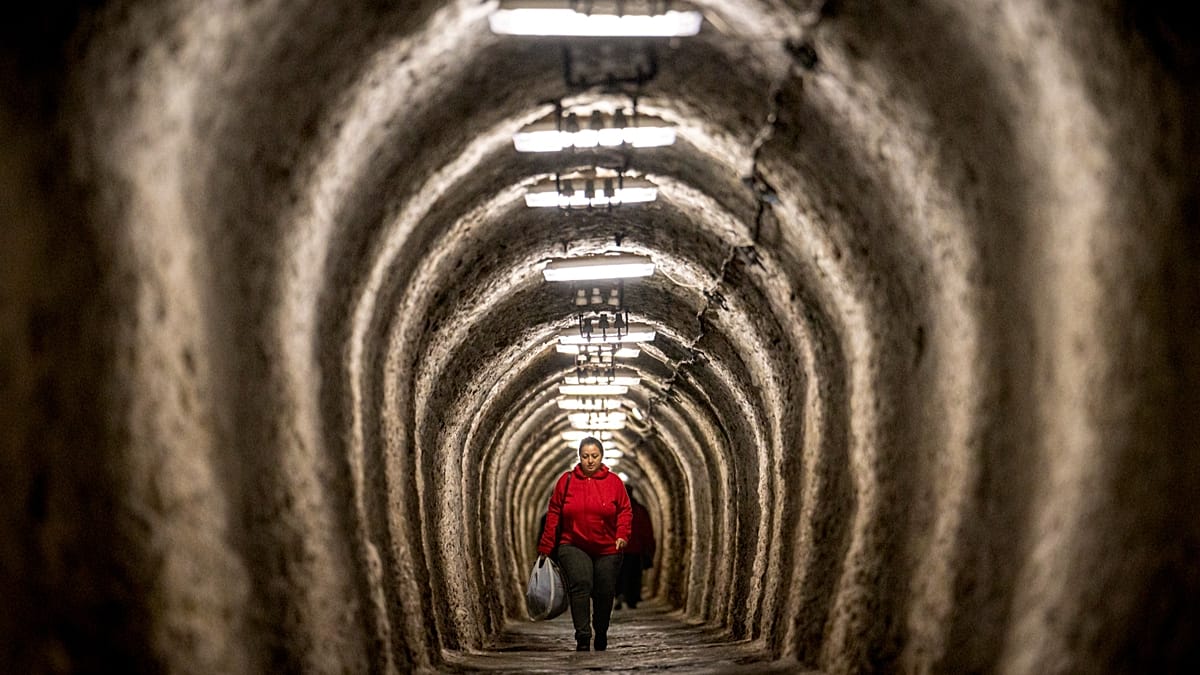
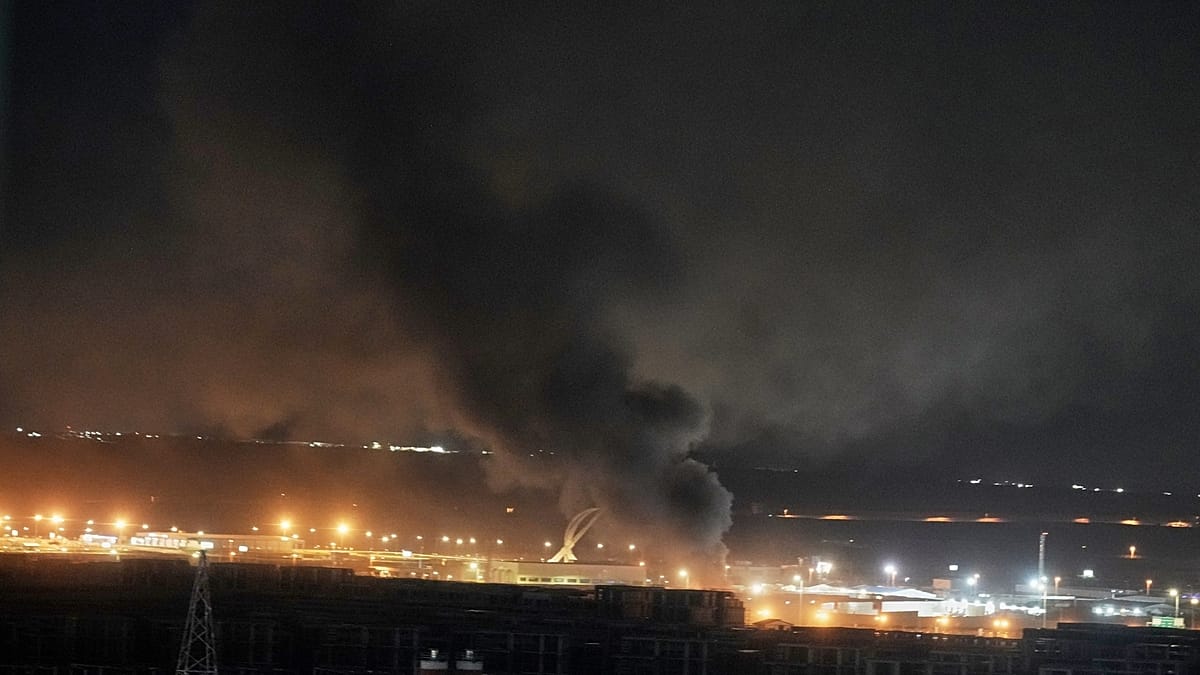
After a suspected Iranian-made drone struck RAF Akrotiri in Cyprus in March, emergency inspections found about 200 of the island’s 2,500 registered civil shelters were unusable. Inspectors discovered blocked parking garages, basement spaces used for storage, shelters filled with waste, and some locations listed on the SafeCY app that could not be located.
ADVERTISEMENT

ADVERTISEMENT
Specialised teams, including civil engineers from the Interior Ministry and staff from various agencies, were mobilised to accelerate checks. Intensive checks began on March 1, followed by instructions to clean the shelters two days later.
Cyprus highlights a continent-wide problem: civil shelter networks created during the Cold War have deteriorated, and the EU lacks direct authority to address this decline.
What the EU can and cannot do
The EU has very limited direct authority.
Under Article 196 of the Treaty on the Functioning of the European Union, responsibility for civil protection rests with each nation. The EU can only assist or coordinate. It cannot force the construction of shelters, fund bunkers, or set technical requirements. The subsidiarity principal leaves Brussels with little authority on this issue unless all members agree to change the treaty.
What the EU does control is emergency response capacity. The Union Civil Protection Mechanism (UCPM), operating through the Emergency Response Coordination Centre, allows member states to request assistance when national capacity is overwhelmed. The EU’s rescEU reserve, a stockpile of deployable temporary shelters, can be mobilised in response.
But rescEU shelters are modular units, tents, and prefabricated camps. They are displacement infrastructure, not blast-resistant civil defence bunkers.
What rescEU provides and what it costs
The EU has committed over €196 million to rescEU shelter reserves across six member states for 2021–2027.
Sweden holds the largest reserve: €40.4 million in EU-funded stock, capable of housing 36,000 people, including winterised units with toilets and showers, stored in Vålberg and Kristinehamn and operated by the Swedish Civil Contingencies Agency. Poland is constructing six deployable “container towns,” each of which can be assembled in 10 to 14 days, at a cost of €35.5 million. Croatia, Slovenia, Spain, and Romania hold additional stockpiles.
Any EU member state, including Cyprus, can request these reserves through the UCPM, with the EU covering up to 100% of transport and logistics costs. However, these reserves are intended for displacement scenarios such as floods, earthquakes, or population movements due to conflict, not for sheltering civilians in place during an attack.
Cyprus could apply to host its own rescEU reserve, like Sweden’s model, using EU funding rather than national resources. To date, no such application has been submitted.
The Ukraine lessons
The most significant test of the EU’s emergency shelter capacity came after Russia’s 2022 invasion of Ukraine.
Through the UCPM, the EU delivered more than 140,000 tonnes of aid worth €796 million in total. Shelter-specific aid amounted to €62.3 million, including over 3,000 prefabricated Relief Housing Units for 30,000 people, 16,000 beds, and millions of blankets and tents. Supplies moved through logistics hubs in Poland and Romania before reaching frontline oblasts, including Kharkiv, Donetsk, and Zaporizhzhia, which received roughly 50-60% of the shelter items.
The operation confirmed that the EU can mobilise fast and at scale but also confirmed its limitations. Ukraine’s hardened metro stations and bomb shelters were built and funded nationally; the EU provided relief for displaced persons, not protection for those sheltering in place.
Wide gap in civil shelter coverage
The gap between EU member states in terms of civil shelter coverage is wide.
Finland operates 50,500 shelters covering 85% of its 5.5 million population, maintained under a total defence doctrine with dual-use basements and public buildings integrated into the network. The Nordics and Baltic states are broadly well-prepared, with Estonia and Latvia building shelter capacity into schools and hospitals.
Germany has fewer than 600 functioning bunkers, covering roughly 0.5% of its population. The federal government has announced plans to invest up to €30 billion to create capacity for 1 million people by 2030, a programme that is still in the early tendering stage.
The Netherlands has almost no functioning shelter capacity following decades of decommissioning, and no major revival programme has been announced. France, Italy, and Spain also have minimal coverage, with emergency planning focused primarily on natural disasters rather than military threats.
Cyprus began its shelter programme in 1999 by repurposing existing underground spaces instead of constructing new ones. The government is now drafting legislation to require underground spaces in new apartment buildings to serve as shelters, offering building allowance incentives to private developers.
What leverage Brussels has
Without a treaty change, mandatory EU-wide shelter standards are not possible. But the EU retains softer policy instruments.
The UCPM’s €1.26 billion prevention and preparedness fund supports national risk assessments, shelter audits, and cross-border exercises. Peer review mechanisms could help extend Finland’s model to other states. After a crisis, cohesion funds may be used to upgrade shelters under the EU Solidarity Clause.
The EU has not launched any specific programmes targeting permanent civil shelter infrastructure in member states. No Cyprus-specific preparedness grants have been identified under current UCPM funding cycles.
For now, Europe is reassessing civil defence capabilities after decades of decline. Germany is investing tens of billions, Finland remains well-prepared, and Cyprus is working to restore its shelter network.
The EU’s emergency resources are effective for crisis response, as demonstrated in Ukraine. However, the EU has limited influence over civilian shelter infrastructure before a crisis. National governments retain primary responsibility, with Brussels largely on the sidelines.
Read the full article here