




 Weather
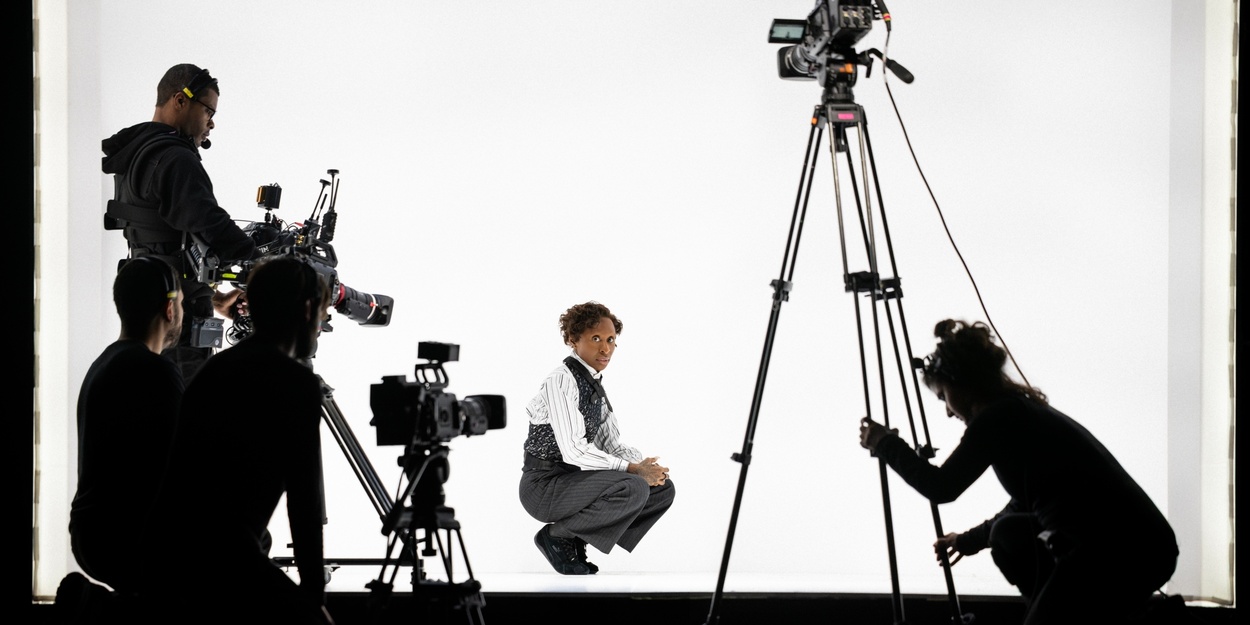
Multi-award-winning Cynthia Erivo is having a pretty good year: still riding high on the success of the Wicked films and nominated for an MBE in the 2026 New Year Honours list, she is now going back to her stage roots in Kip Williams’s adaptation of Bram Stoker’s gothic masterpiece, Dracula. Anticipation about her appearance has been fevered, but the result is a lot of style, but not enough substance.
Williams’s adaptation is faithful to the original work, using diaries and letters to follow the story of the undead Count Dracula’s ghoulish acts of terror. Erivo plays all 23 characters; a real feat for any actor. Interestingly Erivo has previous experience of this from her appearance as five different sisters in an episode of Rian Johnson’s Poker Face television series. She covers them all, using varying voices and costumes to distinguish the roles.
Williams uses simlilar methods to those in his sublime The Picture of Dorian Gray. Screens, on-stage cameras and pre-recorded material so the actor can effectively act with themselves; the choreography and timing required to pull this off is mind-blowingly challenging. But here it serves to disconnect the audience from the work on the stage, rather than enhance their experience. There is total over-reliance on pre-recorded material and not enough visible live action from Erivo in person.
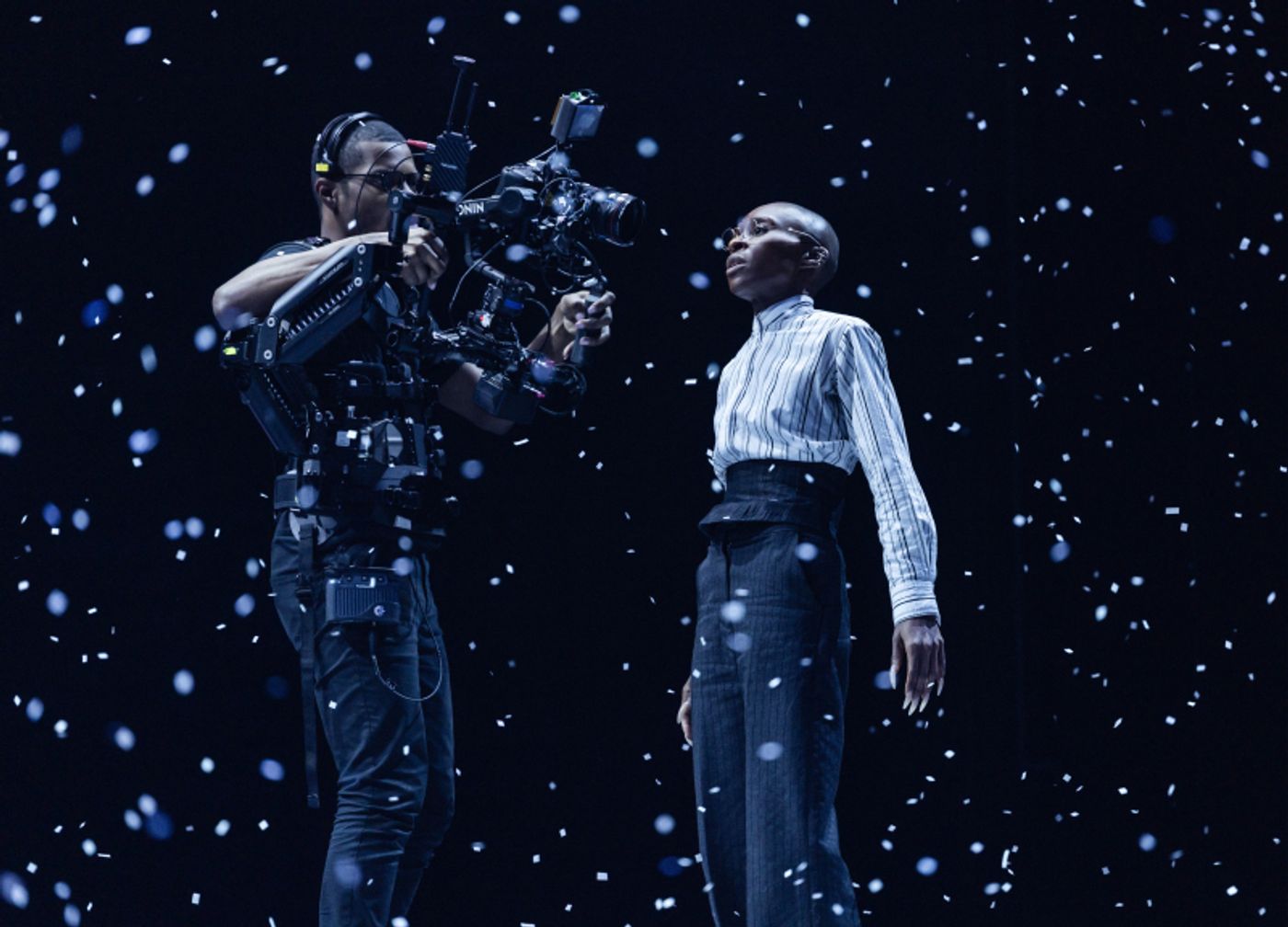
The giant screen which moves forwards and backwards on stage dominates the whole production so much that even if Erivo is in vision, your eyes are drawn to the screen. One advantage of this is it makes this production very democratic; your view from the gods may arguably be just as good as the stalls.
Make no mistake, the technical aspects of this show are incredibly clever. The screen shows an overlaying of the pre-recorded figures with Erivo’s live performance and is stitched together impeccably; the overhead shots are very effective and there are some really astute moments such as the vampire not showing a reflection in a mirror. Credit must also go to the almost balletic choreography of the camera crew and costume assistants. But this all forms part of Erivo’s dramatic performance to such an extent that you have to remind yourself you are watching a play, not a film.
For Erivo, this is a feat of stamina. At nearly two hours without interval, she is performing constantly in what is a state of heightened concentration. In the performance I saw, there were no visible teleprompters, but several line stumbles. Erivo shows remarkable focus and commitment to the material, switching between characters with ease. Even with some curious creative choices, such as Van Helsing’s Gandalf-like wig and Dracula speaking with a Nigerian accent, she seems to carry it off.
However, the constant occillation between characters means she doesn’t have a chance to (excuse the pun) really get her teeth into any one role, but her imperious take on the doomed Lucy Westenra is particularly engaging and the subtle twitching of psychiatric patient Renfield is delicately judged. Others are less successful. Wealthy American Quincey Morris comes across as comic caricature and local Whitby man Mr Swales lacks any discernible Yorkshire accent.
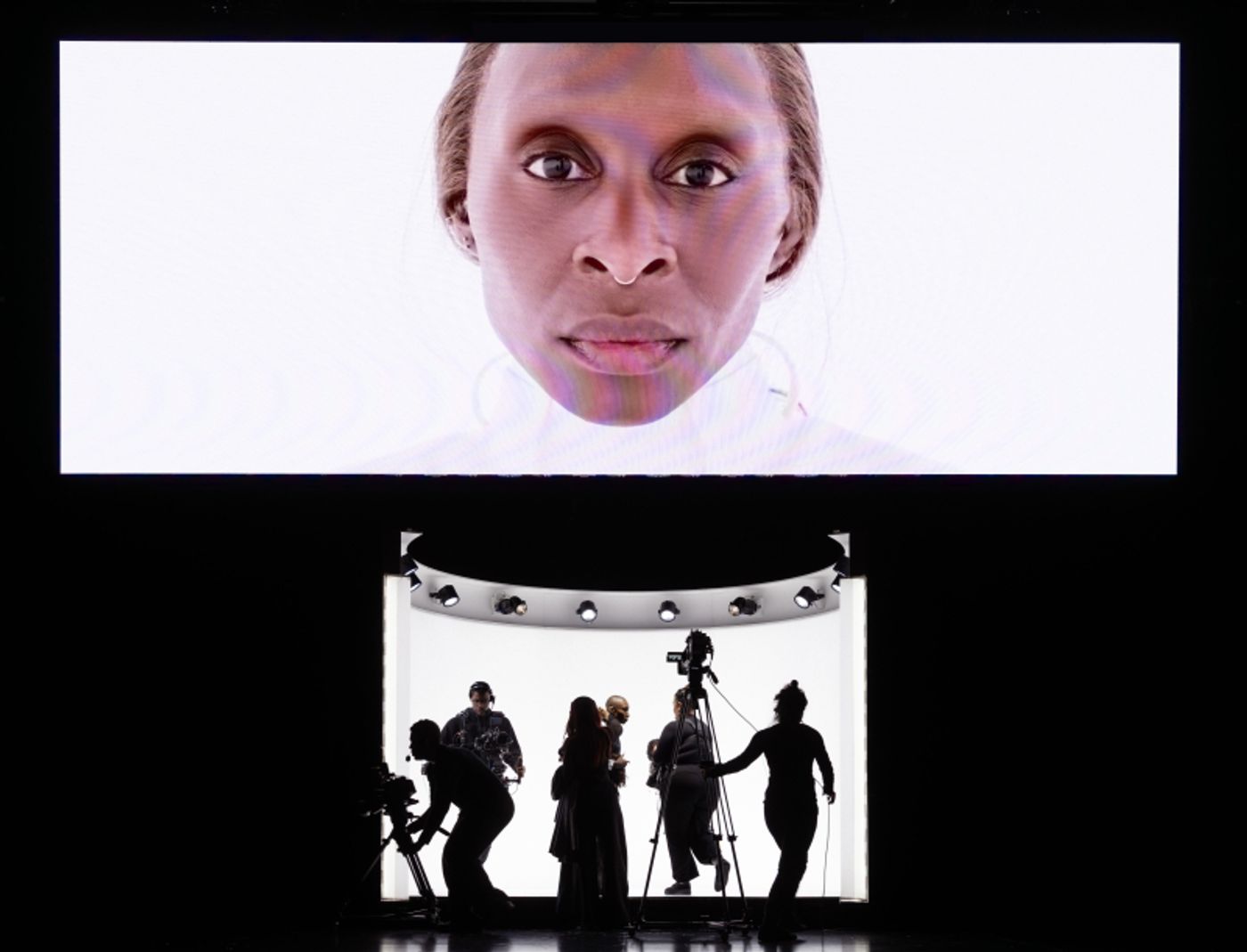
I suspect that Erivo’s fans will still flock to this show, but they may be disappointed. She spends much of her time on stage out of view of most of the audience, stuck behind the screen or inside a hidden room and often with her back turned. The rare moments she comes to the front of the stage, facing the audience are captivating, yet fleeting.
Clemence Williams’s composition plays almost constantly, creating a real sense of intrigue, trepidation and moments of horror interspersed with clever use of classical music and then hypnotic beats later on.
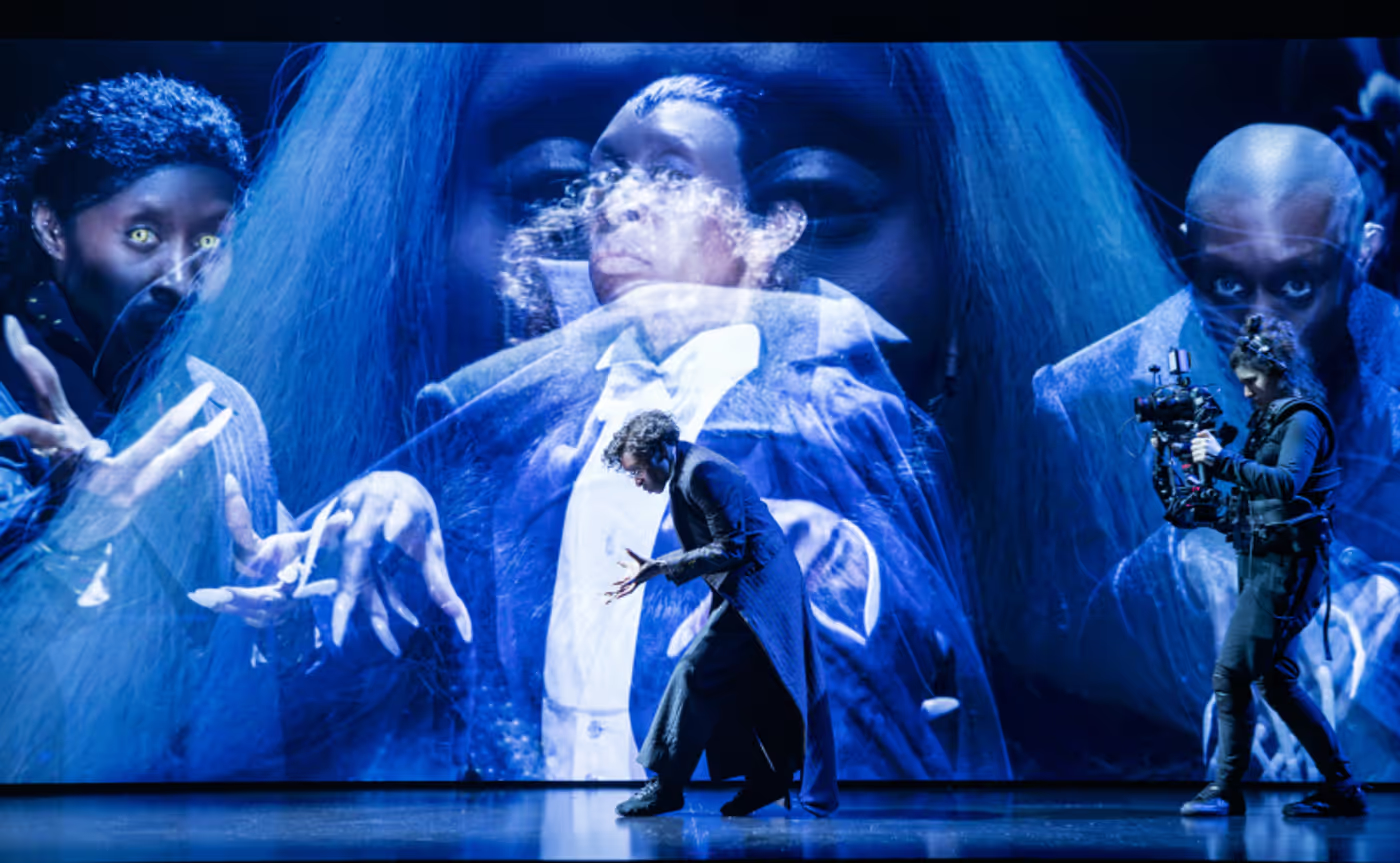
Scenic designer Marg Horwell, who also worked with Williams on Dorian Gray, has little space at her disposal, as the aforementioned screen takes up so much room. She uses the bare stage with minimal props, at one point encorporating an enclosed, brightly lit room that serves as a useful visual contrast on screen, but it also succeeds in hiding Erivo from the view of the audience.
The production is a technical feat, but is so caught up in its own cleverness that it forgets one of the most intrinsic appeals of theatre; to connect an actor to an audience through their live presence on stage. Not on a screen.
Dracula is at the Noël Coward Theatre until 30 May
Photo Credits: Daniel Boud
Reader Reviews
To post a comment, you must register and login.