


 Weather
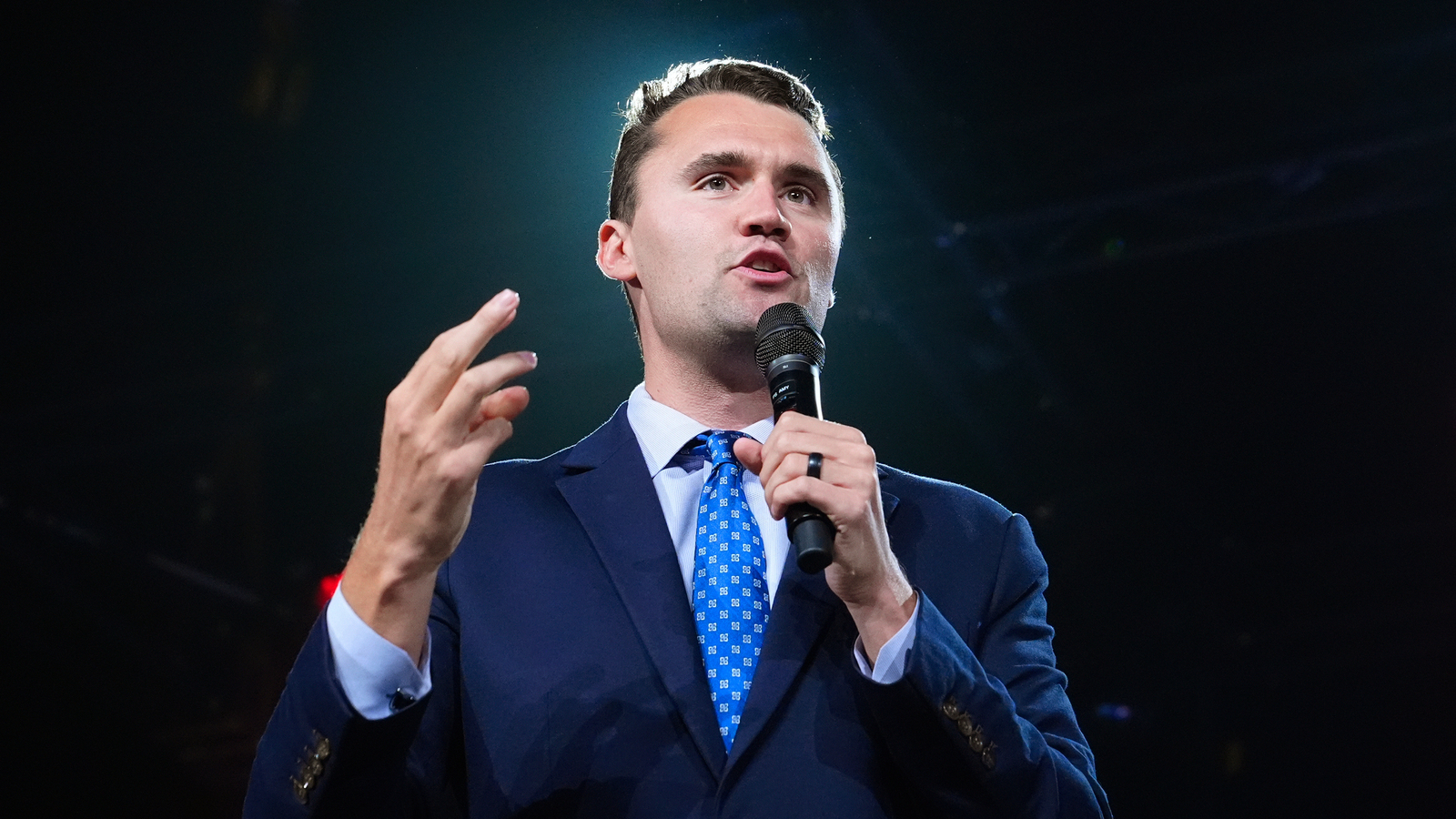
Graphic videos showing the killing of conservative activist Charlie Kirk while he spoke to a crowd on a Utah college campus quickly went viral, drawing millions of views.
Now, attorneys for the man charged in Kirk’s killing want a state judge to block such videos from being shown during a hearing scheduled for Tuesday. Defense attorneys also want to oust TV and still cameras from the courtroom, arguing that “highly biased” news outlets risk tainting the case.
Prosecutors and attorneys for news organizations urged state District Judge Tony Graf to keep the proceedings open. But legal experts say the defense team’s worries are real: Media coverage in high-profile cases such as Tyler Robinson’s can have a direct “biasing effect” on potential jurors, said Cornell Law School Professor Valerie Hans.
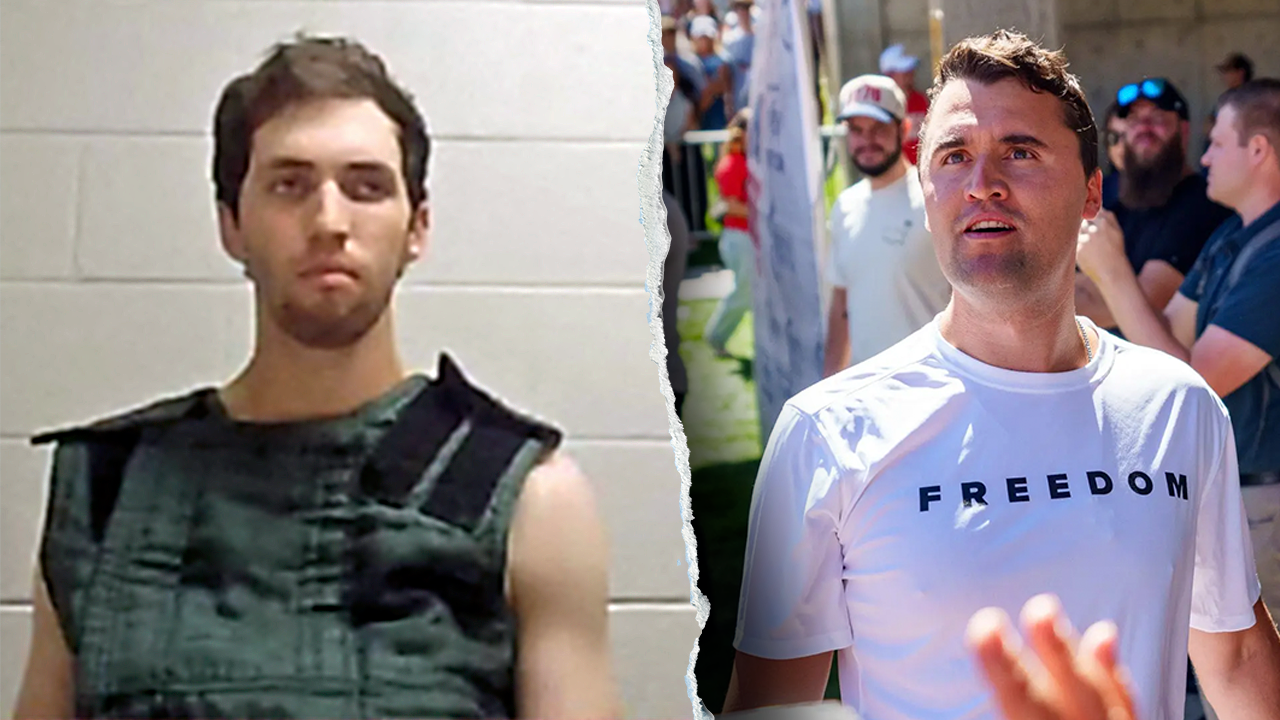
Turning Point USA Founder Charlie Kirk speaks at a Turning Point event prior to Republican vice presidential nominee Sen. JD Vance, R-Ohio, speaking, Sept. 4, 2024, in Mesa, Ariz.
AP Photo/Ross D. Franklin, File
“There were videos about the killing, and pictures and analysis (and) the entire saga of how this particular defendant came to turn himself in,” said Hans, a leading expert on the jury system. “When jurors come to a trial with this kind of background information from the media, it shapes how they see the evidence that is presented in the courtroom.”
Prosecutors intend to seek the death penalty for Robinson, 22, who is charged with aggravated murder in the Sept. 10 shooting of Kirk on the Utah Valley University campus in Orem. An estimated 3,000 people attended the outdoor rally to hear Kirk, a co-founder of Turning Point USA, who helped mobilize young people to vote for President Donald Trump.
To secure a death sentence in Utah, prosecutors must demonstrate aggravating circumstances, such as that the crime was especially heinous or atrocious. That’s where the graphic videos could come into play.
Watching those videos might make people think, “‘Yeah, this was especially heinous, atrocious or cruel,'” Hans said.
Further complicating efforts to ensure a fair trial is the political rhetoric swirling around Kirk, stemming from the role his organization played in Trump’s 2024 election. Even before Robinson’s arrest, people had jumped to conclusions about who the shooter could be and what kind of politics he espoused, said University of Utah law professor Teneille Brown.
“People are just projecting a lot of their own sense of what they think was going on, and that really creates concerns about whether they can be open to hearing the actual evidence that’s presented,” she said.
Robinson’s attorneys have ramped up claims of bias as the case has advanced, even accusing news outlets of using lip readers to deduce what the defendant is whispering to his attorneys during court hearings.
Fueling those concerns was a television camera operator who zoomed in on Robinson’s face as he talked to his attorneys during a Jan. 16 hearing. That violated courtroom orders, prompting the judge to stop filming of Robinson for the remainder of the hearing.
“Rather than being a beacon for truth and openness, the News Media have simply become a financial investor in this case,” defense attorneys wrote in a request for the court to seal some of their accusations of media bias. Unsealing those records, they added, “will simply generate even more views of the offending coverage, and more revenue for the News Media.”
Prosecutors acknowledged the intense public interest surrounding the case but said that does not permit the court to compromise on openness. They said the need for transparency transcends Robinson’s case.
“This case arose, and will remain, in the public eye. That reality favors greater transparency of case proceedings, not less,” Utah County prosecutors wrote in a court filing.
Defense attorneys are seeking to disqualify local prosecutors because the daughter of a deputy county attorney involved in the case attended the rally where Kirk was shot. The defense alleges that the relationship represents a conflict of interest.
In response, prosecutors said in a court filing that they could present videos at Tuesday’s hearing to demonstrate that the daughter was not a necessary witness since numerous other people recorded the shooting.
Among the videos, prosecutors wrote, is one that shows the bullet hitting Kirk, blood coming from his neck and Kirk falling from his chair.
© 2026 by The Associated Press. All Rights Reserved.